
Best Roofing Materials for Homeowners With Allergies or Asthma
- 1-Why Roofing Materials Matter for Allergies and Asthma
- 2-Top Roofing Materials for Health-Conscious Homeowners
- 3-How Roofing Materials Impact Indoor Air Quality
- 4-Choosing the Right Roofing Material for Allergy Sufferers
- 5-Maintenance and Care for Healthy Roofing
- 6-Where to Find Roofing Materials for Allergy Relief
1-Why Roofing Materials Matter for Allergies and Asthma
When it comes to maintaining a healthy home environment, the materials you choose for your roof can have a significant impact, especially if you or someone in your household suffers from allergies or asthma. Roofs play a key role in regulating indoor air quality, and certain roofing materials can either help reduce allergens or contribute to poor air quality. As a homeowner with asthma or allergies, it’s essential to select materials that help keep your home’s air clean and reduce exposure to harmful particles.
Roofs protect against the elements, but they can also trap dust, mold, and other allergens that affect sensitive individuals. The right roofing material can help you maintain good indoor air quality by reducing the accumulation of these irritants, making your living space more comfortable and healthier. In this article, we’ll explore the best roofing materials for homeowners with allergies or asthma and how to choose the right option for your home.
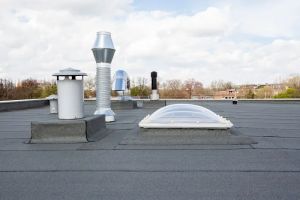
Flat Roofs Toronto / flat roof repair toronto
1420 Dupont St, Toronto, ON M6H 0C2, Canada
2-Top Roofing Materials for Health-Conscious Homeowners
When it comes to roofing materials for homes with asthma or allergy sufferers, it’s important to choose options that minimize the accumulation of dust, pollen, and mold. Below are some of the best roofing materials that can help improve the air quality inside your home:
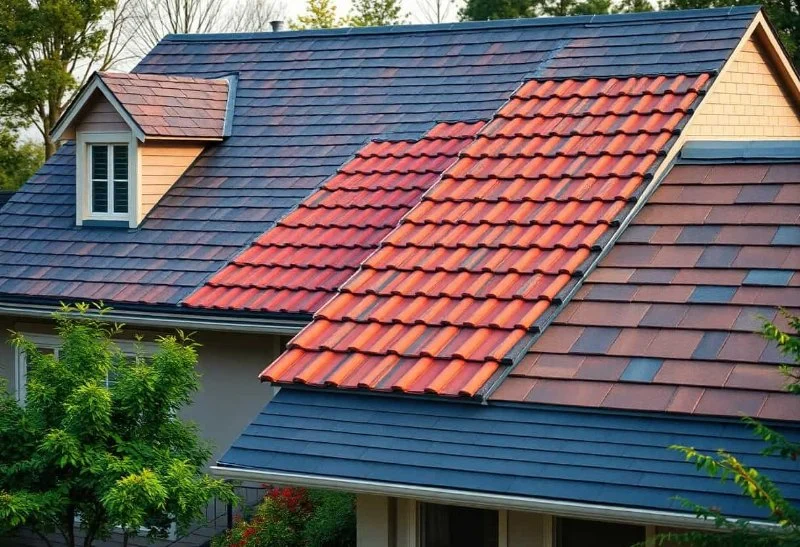
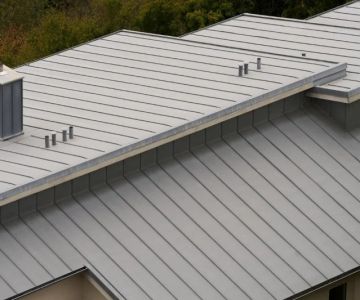
- Metal Roofing: Metal roofs are non-porous and easy to clean, which makes them an excellent choice for homeowners with allergies. They do not trap moisture, reducing the risk of mold and mildew buildup. Plus, they are resistant to pests that might cause allergic reactions.
- Clay or Concrete Tiles: Clay and concrete tiles are durable and have natural resistance to mold, algae, and mildew. They also provide good ventilation and can help reduce the amount of allergens that enter your home.
- Slate Roofing: Slate is another non-porous material that resists mold and mildew growth. It’s also very durable and can last for many years, making it an investment in both your home and health. Slate roofing is also known for being fire-resistant, which adds an extra layer of protection.
- Shingles with Cool Roof Technology: Cool roofing materials, which include asphalt shingles with reflective coatings, help reduce the heat absorbed by your roof. While not directly related to allergens, these materials can contribute to a more comfortable living environment by keeping your home cooler and reducing moisture buildup.
These materials are great choices for homeowners who want to reduce allergens and maintain a healthier indoor environment. Each option has its benefits, depending on your specific needs and climate conditions.

Ottawa Eavestrough Group / eavestrough repair ottawa
340 Albert St, Ottawa, ON K1R 7Y6, Canada
3-How Roofing Materials Impact Indoor Air Quality
Roofing materials can have a significant effect on the indoor air quality of your home. Poor-quality roofing can trap moisture, leading to mold and mildew growth, which in turn releases spores that can irritate the respiratory system. Additionally, some roofing materials can harbor dust and debris, which may contribute to poor indoor air quality.
Here’s how different roofing materials affect indoor air quality:
- Ventilation: Good ventilation is key to reducing humidity and moisture buildup. Roofing materials that allow for proper airflow, such as clay tiles and metal roofing, help ensure that your home stays dry and less hospitable to mold and mildew.
- Moisture Resistance: Non-porous materials like metal, slate, and concrete tiles are great at resisting moisture accumulation, which reduces the chances of mold growth. In contrast, materials like wood shingles can trap moisture and become a breeding ground for allergens.
- Temperature Regulation: Roofing materials that reflect sunlight, like cool roofs, can help regulate the temperature in your home, preventing excess heat buildup that could lead to condensation. Proper insulation also contributes to improved indoor air quality by preventing moisture from accumulating in the attic or walls.
Choosing a roofing material that encourages proper ventilation and resists moisture is crucial for maintaining good indoor air quality, especially if you suffer from allergies or asthma.
4-Choosing the Right Roofing Material for Allergy Sufferers
Choosing the right roofing material for your home involves considering both aesthetic preferences and health factors. For allergy sufferers and asthma patients, the key is to select materials that resist mold, mildew, and other allergens. Here are some factors to keep in mind when choosing roofing materials:
- Consider the Climate: The climate in your area plays a significant role in determining the best roofing material. For example, if you live in a humid region, materials like metal or slate may be better suited to prevent moisture buildup. In drier areas, cool roof shingles or clay tiles may be ideal.
- Focus on Moisture Resistance: Opt for materials that resist moisture absorption. Metal, concrete, and slate are some of the best options for reducing the risk of mold and mildew.
- Insulation and Ventilation: Proper insulation and ventilation help reduce moisture and temperature fluctuations, contributing to better indoor air quality. Ensure that the roofing material you choose allows for adequate airflow and helps maintain a dry, cool environment inside your home.
By considering these factors, you can select a roofing material that not only enhances the look of your home but also improves your indoor air quality and helps alleviate allergy or asthma symptoms.
5-Maintenance and Care for Healthy Roofing
Proper maintenance of your roof is essential to ensure that it continues to provide protection and good air quality. Regular inspections and cleaning can prevent the buildup of dirt, debris, and mold. Here are some maintenance tips:
- Clean Gutters Regularly: Keeping your gutters clean ensures that rainwater flows properly and doesn’t pool on your roof, which could lead to mold growth.
- Inspect for Damage: Regularly inspect your roof for signs of damage, such as cracked tiles or missing shingles. Damage can lead to leaks, which in turn can cause moisture buildup and the growth of mold.
- Keep Attic Ventilated: Proper attic ventilation is crucial to prevent moisture buildup. Ensure that your attic is well-ventilated and that insulation is in good condition.
Regular maintenance is key to ensuring that your roofing materials perform as intended and that your home remains safe and healthy.
6-Where to Find Roofing Materials for Allergy Relief
Finding the right roofing materials for allergy relief is easier than ever, thanks to a wide range of suppliers and online stores. Here are some recommendations for where to find high-quality roofing materials:
- Local Roofing Contractors: Many local roofing contractors offer expert advice and high-quality materials that suit your needs. They can help you select the best roofing materials for your home and health.
- Home Improvement Stores: Large home improvement stores like Home Depot and Lowe’s carry a variety of roofing materials, including metal, slate, and cool roofing options.
- Specialized Suppliers: For specialized roofing materials like slate or premium metal roofs, consider visiting suppliers like Pickering Roofing, who offer expert advice and high-quality products for homeowners with allergies or asthma.
By shopping at these stores and consulting with professionals, you can find the right roofing materials for your home and ensure a healthier living environment.
 La Fleche Roofing (1992) Ltd3.0 (4 reviews)
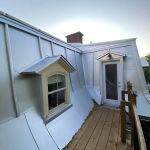 Toiture Métallique5.0 (1 reviews)
 Infinite Roofing Inc.5.0 (1 reviews)
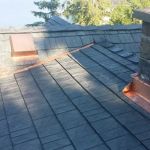 D.C United Roofing4.0 (149 reviews)
 Couverture Franco Inc.4.0 (6 reviews)
 KCM METALS INC5.0 (5 reviews)
 How Much Does a New Roof Cost in 2025? Canadian Roofing Price Guide
 Top Signs Your Roof Has a Leak and What to Do About It in Canada
 Can You Install a New Roof Over an Old One in Canada?
 The Top Questions to Ask Before Hiring a Roofer in Canada
 What Are the Most Common Roofing Scams and How to Avoid Them in Canada
 How to Prepare Your Home for a Roofing Project in Canada