
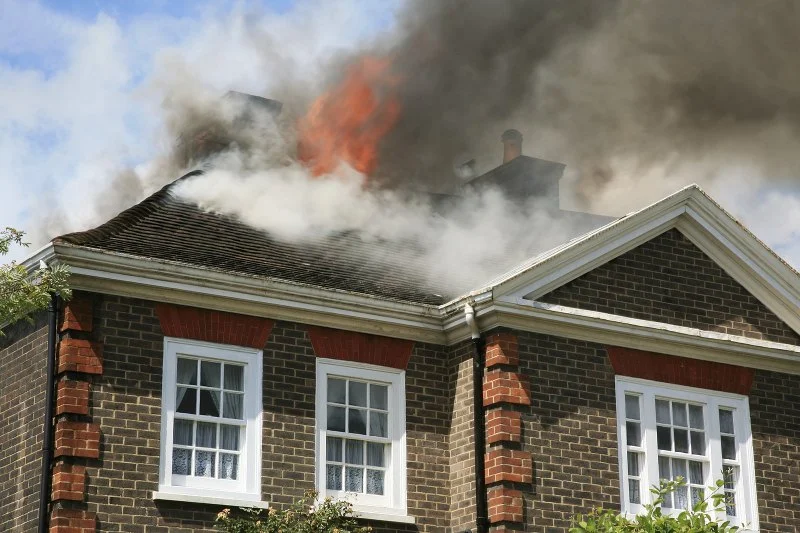
Best Roofing Options in Regions Prone to Wildfires & Smoke Damage
Wildfires and smoke damage are serious concerns for homeowners in regions prone to these natural disasters, especially in Canada. With the growing intensity and frequency of wildfires, selecting the right roofing material is more important than ever. In this article, we will explore the best roofing options that can help protect homes from the devastating effects of wildfires and smoke damage.
- 1. Why Roof Protection is Crucial in Fire-Prone Areas
- 2. Top Roofing Materials for Fire Resistance
- 3. Smoke Damage Resistance: What You Need to Know
- 4. Factors to Consider When Choosing a Fire-Resistant Roof
- 5. Preventive Measures for Maintaining Your Roof’s Fire Resistance
1. Why Roof Protection is Crucial in Fire-Prone Areas
In areas prone to wildfires, roofs are the first line of defense against embers, smoke, and heat. Wildfires can spread quickly, and the intense heat can cause significant damage to homes if they are not adequately protected. When a roof is exposed to flames or hot embers, it can ignite quickly, leading to rapid destruction of the building. For homeowners in these regions, it is essential to choose roofing materials that can withstand extreme temperatures and resist ignition.
2. Top Roofing Materials for Fire Resistance
When selecting roofing materials for regions affected by wildfires and smoke, fire resistance should be the top priority. Here are some of the best materials to consider:
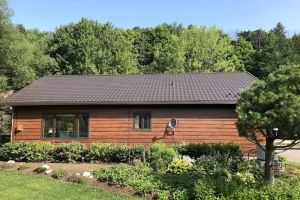
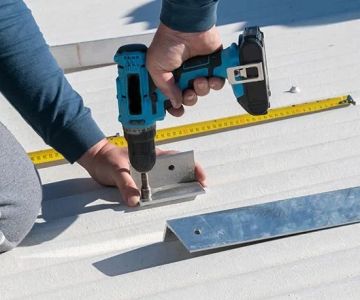
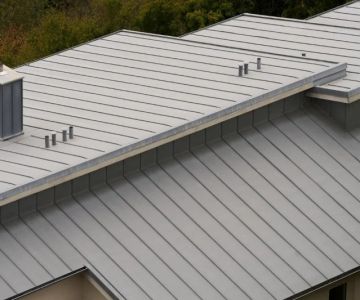
- Metal Roofing: Metal roofs, especially those made of steel or aluminum, are highly fire-resistant. These materials can withstand intense heat and will not catch fire from flying embers, making them an excellent choice for homes in wildfire-prone areas.
- Clay or Concrete Tiles: Clay and concrete tiles are non-combustible and provide an excellent barrier against fire. They are durable and capable of withstanding extreme temperatures. These materials also provide natural insulation, which can help regulate indoor temperatures.
- Class A Asphalt Shingles: Asphalt shingles with a Class A fire rating offer excellent protection against fire. These shingles are designed to resist both flame spread and the heat from fires. Look for shingles that are treated with fire-retardant chemicals for added protection.
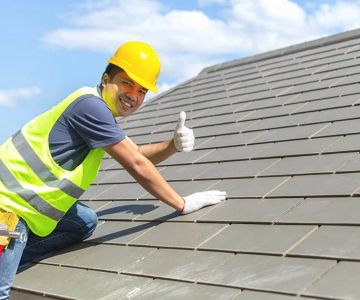
- Slate Roofing: Slate is a natural stone that is inherently fire-resistant. Slate roofs are long-lasting, durable, and can endure high heat without catching fire. While they may be more expensive, their performance in fire-prone areas makes them a worthwhile investment.
3. Smoke Damage Resistance: What You Need to Know
While fire-resistant materials are essential for protecting against direct flames, smoke damage can also cause significant harm. Smoke can penetrate through the smallest cracks in your roof, causing staining, odor, and long-term damage to your home. To minimize the effects of smoke, it is important to choose roofing materials that are both fire-resistant and capable of preventing smoke infiltration. Materials that are tightly sealed and do not allow air flow through gaps are preferable in regions with heavy wildfire activity.
4. Factors to Consider When Choosing a Fire-Resistant Roof
When selecting a roofing material for a home in a wildfire-prone area, several factors need to be considered in addition to fire resistance:
- Durability: Choose a roofing material that is not only fire-resistant but also durable enough to withstand harsh weather conditions and other environmental factors. Materials like metal and slate provide excellent long-term durability.
- Cost: While fire-resistant materials tend to be more expensive upfront, they can save you significant amounts in repairs and insurance premiums over the long term. Balance your budget with the level of protection you need.
- Maintenance Requirements: Some materials, such as wood shakes, require regular maintenance to remain fire-resistant. Opt for low-maintenance materials that continue to offer protection with minimal upkeep.
- Local Building Codes: Ensure that the roofing material you choose meets local building codes and regulations related to fire safety. Many municipalities in fire-prone areas have specific requirements for fire-resistant materials.
5. Preventive Measures for Maintaining Your Roof’s Fire Resistance
Once you've selected a fire-resistant roofing material, it's important to maintain it to ensure it continues to provide maximum protection. Here are a few preventive measures you can take:
- Regular Inspections: Have your roof inspected regularly to check for signs of wear or damage, especially after severe weather events. Ensure there are no cracks or gaps that could allow embers or smoke to enter.
- Clean Gutters and Roof Valleys: Remove debris, leaves, and twigs from gutters and roof valleys regularly to prevent them from becoming fuel for a fire.
- Apply Fire-Resistant Coatings: Consider applying fire-resistant coatings to your roof to enhance its fire-resistant properties. These coatings create an additional barrier against heat and flames.
- Maintain Landscaping: Trim trees and shrubs near your home to reduce the risk of fires spreading to your roof. Creating a defensible space around your home can help protect your roof from nearby wildfires.
By selecting the right roofing material and taking the proper precautions, you can significantly reduce the risk of damage from wildfires and smoke in Canada’s fire-prone regions.
For expert advice and professional roofing services in wildfire-prone areas, visit Pickering Roofing for the best roofing solutions.
 Azores Construction and Roofing Services Inc5.0 (3 reviews)
 Friendly Roofing Ltd.3.0 (9 reviews)
 Murcar Roofing & Contracting Services5.0 (1 reviews)
 Ironclad Roofing - Steel & Metal Roofing, Metal Roof Installation Toronto4.0 (13 reviews)
 Jin Tai Roofing5.0 (6 reviews)
 Toitures Quatre Saisons Inc3.0 (20 reviews)
 How Much Does a New Roof Cost in 2025? Canadian Roofing Price Guide
 Top Signs Your Roof Has a Leak and What to Do About It in Canada
 Can You Install a New Roof Over an Old One in Canada?
 The Top Questions to Ask Before Hiring a Roofer in Canada
 What Are the Most Common Roofing Scams and How to Avoid Them in Canada
 How to Prepare Your Home for a Roofing Project in Canada