
- Why-Choosing-the-Right-Roofing-is-Crucial-in-Wildfire-Prone-Regions
- Top-Roofing-Materials-for-Wildfire-and-Smoke-Damage
- How-to-Maintain-Roofing-in-Wildfire-Affected-Areas
- Selecting-the-Best-Roofing-for-High-Risk-Areas
- Where-to-Buy-Roofing-Materials-for-Wildfire-Prone-Areas
1. Why Choosing the Right Roofing is Crucial in Wildfire-Prone Regions
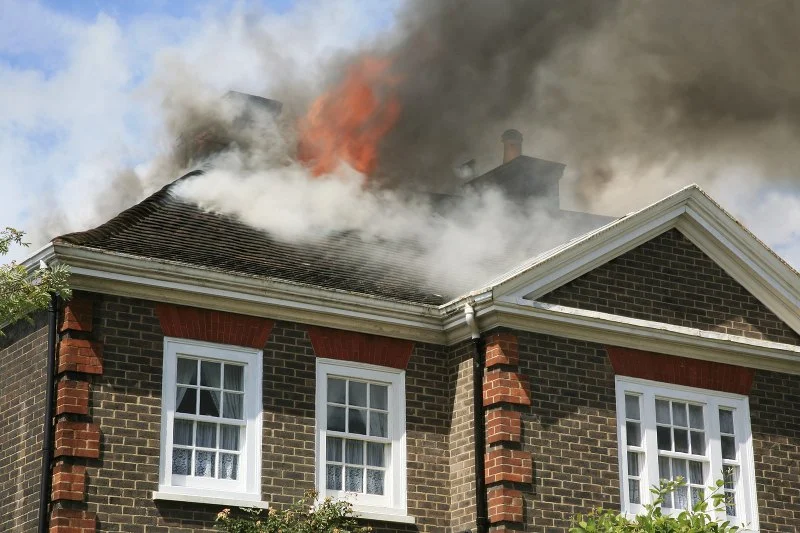
In regions prone to wildfires and smoke damage, choosing the right roofing material is one of the most important decisions homeowners can make. The roof serves as the first line of defense against the intense heat, flying embers, and the potential for smoke infiltration that comes with wildfires. Additionally, roofing materials that are resistant to heat and flames will increase the safety of your home and protect your family and belongings.
Christensen & McLean Roofing / christensen & mclean roofing
16173 132 Ave NW, Edmonton, AB T5V 1H7, Canada
1.1 Importance of Fire-Resistant Roofing
In high-risk areas, fire-resistant roofing materials are essential. Wildfires can spread quickly, and homes with roofs made of combustible materials are at a higher risk of catching fire. The right roofing can help slow down or prevent the spread of fire to your home, giving you more time to evacuate and reducing the potential for damage.
Strasser & Lang / strasser and lang
Thunder BayThunder Bay DistrictOntario
675 Harold Crescent, Thunder Bay, ON P7C 5H5, Canada
1.2 Impact of Smoke Damage
Even if your home is not directly affected by flames, the smoke and ash from nearby wildfires can still cause significant damage. A roof that is not properly sealed or resistant to smoke can allow harmful particles to infiltrate your home, leading to interior damage, health risks, and the need for costly repairs. Ensuring that your roofing is airtight and smoke-resistant can prevent these issues.
2. Top Roofing Materials for Wildfire and Smoke Damage
When choosing roofing materials for wildfire-prone regions, it's essential to select those that can withstand high temperatures, resist fire, and offer protection against smoke infiltration. Below are some of the best roofing options:
2.1 Metal Roofing
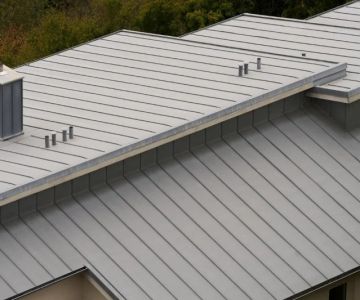
Metal roofs are highly fire-resistant, making them an excellent choice for homes in wildfire-prone areas. They are non-combustible and can withstand high temperatures. Additionally, metal roofing is durable, lightweight, and offers excellent protection against smoke damage. This material is also low-maintenance, which is ideal for homeowners who want long-lasting protection without constant upkeep.
2.2 Clay and Concrete Tiles
Clay and concrete tiles are natural materials that provide strong fire resistance. These tiles are ideal for areas with wildfires because they can withstand extreme heat and are highly durable. They also provide good ventilation, which can reduce heat buildup in your home. Clay and concrete tiles are also resistant to smoke damage, making them a solid choice for regions at risk.
2.3 Asphalt Shingles (Class A Fire-Rated)
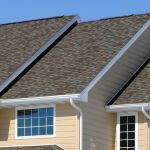
While traditional asphalt shingles are not naturally fire-resistant, Class A fire-rated asphalt shingles have been specially treated to resist flames and intense heat. These shingles offer good protection against fire and smoke damage and are a more affordable option compared to metal or tile roofs. However, they may not be as durable as other materials in the long term, especially in extreme heat conditions.
2.4 Slate Roofing
Slate roofing is an incredibly durable and fire-resistant option for homes in wildfire-prone areas. Slate is a natural stone that does not burn, making it one of the safest roofing materials for fire protection. While it is more expensive and heavy compared to other options, slate provides long-term protection and can withstand the heat and smoke from nearby wildfires.
2.5 Rubber Roofing (Modified Bitumen)
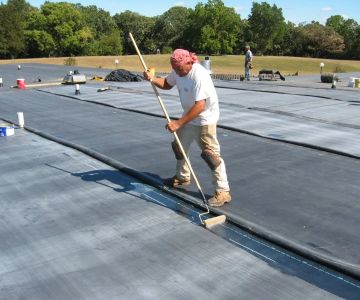
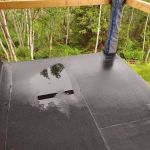
Rubber roofing, particularly modified bitumen, is a popular option for homes in wildfire-prone regions. It is fire-resistant, waterproof, and highly durable. Rubber roofs can also offer protection against smoke damage by preventing the infiltration of harmful particles into the home. These roofs are more affordable than slate or metal options and are ideal for homes with flat roofs.
3. How to Maintain Roofing in Wildfire-Affected Areas
Proper maintenance is crucial to ensuring that your roofing continues to perform well in wildfire-prone areas. Here are some key maintenance tips:
3.1 Regular Inspections
Regularly inspect your roof for any signs of wear or damage. Look for missing shingles, cracks, or areas where debris has accumulated. Ensure that your roof is sealed properly to prevent smoke infiltration and that there are no gaps where embers could enter.
3.2 Clean Gutters and Roof Debris
Keep your gutters clean and free of leaves, twigs, and other debris that could catch fire. Debris accumulation on your roof can increase the risk of fire spreading. It's also important to trim any overhanging branches that could fall on your roof during a wildfire.
3.3 Apply Fire-Resistant Coatings
If you have an existing roof that is not fire-resistant, consider applying a fire-resistant coating. These coatings can help improve your roof's ability to withstand flames and heat. They are especially useful for asphalt shingles and other combustible materials.
4. Selecting the Best Roofing for High-Risk Areas
When selecting roofing for a home in a high-risk area, it's essential to consider a few key factors:
4.1 Fire-Resistance Ratings
Roofing materials are rated for their fire resistance, with Class A being the most fire-resistant. When choosing a roofing material, look for options with a Class A fire rating to ensure maximum protection. Materials like metal, slate, and concrete tiles typically have high fire-resistance ratings.
4.2 Durability and Longevity
Choose roofing materials that will stand up to the wear and tear of extreme weather conditions, such as heat, rain, and high winds. Materials like metal, slate, and concrete offer long-lasting durability in addition to fire resistance.
4.3 Smoke Resistance
Smoke can seep into homes even if they aren’t directly affected by flames. It's important to choose roofing materials that offer smoke resistance, such as metal and slate, which help prevent the infiltration of smoke and ash.
5. Where to Buy Roofing Materials for Wildfire-Prone Areas
To find the best roofing materials for wildfire-prone regions, it’s important to choose a trusted supplier that specializes in high-quality, fire-resistant products. You can find these materials at local home improvement stores, but it's often better to go directly to roofing suppliers who offer fire-resistant options and professional advice.
For top-quality roofing materials and professional installation services, check out Pickering Roofing, where you’ll find everything you need to protect your home from the dangers of wildfires and smoke damage!
 Brentwood Roofing4.0 (13 reviews)
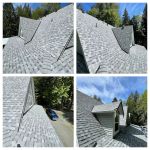 Whonnock Roofing Ltd Burnaby5.0 (2 reviews)
 Upright Roofing & Construction5.0 (20 reviews)
 Forever roofing Inc.4.0 (41 reviews)
 Jenmar Roofing Ltd5.0 (9 reviews)
 Nospel Roofing & Waterproofing Ltd.4.0 (4 reviews)
 How Much Does a New Roof Cost in 2025? Canadian Roofing Price Guide
 Top Signs Your Roof Has a Leak and What to Do About It in Canada
 Can You Install a New Roof Over an Old One in Canada?
 The Top Questions to Ask Before Hiring a Roofer in Canada
 What Are the Most Common Roofing Scams and How to Avoid Them in Canada
 How to Prepare Your Home for a Roofing Project in Canada