
- -Understanding the Importance of Roof Underlayment in Warm, Humid Summers
- -Top Underlayment Materials for Warm and Humid Conditions
- -How to Choose the Right Underlayment for Your Roof
- -Case Study: How the Right Underlayment Can Improve Your Roof’s Performance
- -Where to Find the Best Underlayment for Your Roof in Canada
1. Understanding the Importance of Roof Underlayment in Warm, Humid Summers
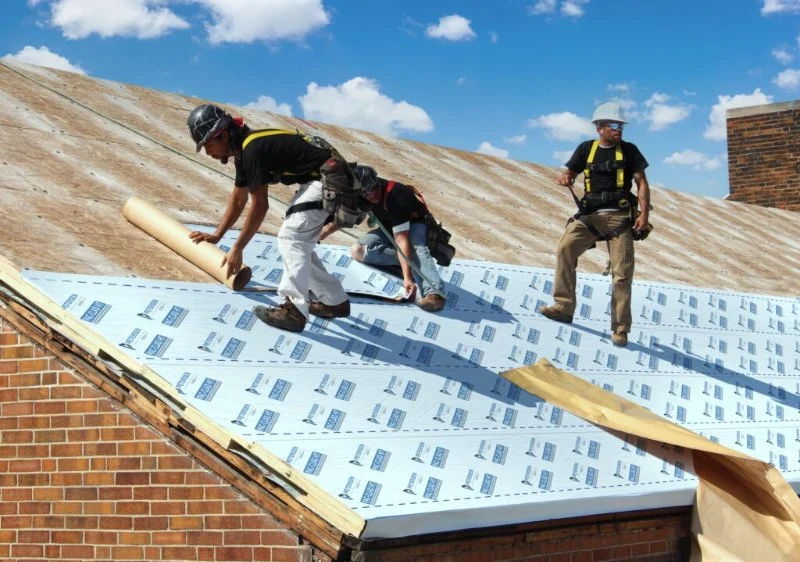
When it comes to roofing in Canada, particularly during warm and humid summers, selecting the right underlayment is crucial. The underlayment is the layer of material placed beneath the roofing shingles or other exterior finishes. Its role is to provide an extra layer of protection, preventing water infiltration, adding an extra thermal barrier, and ensuring your roof can withstand the challenges of the summer heat and humidity.
Given the extreme temperature fluctuations and humidity that Canadian summers often bring, choosing the right underlayment is essential to ensuring the longevity of your roof. In addition to protecting the roof structure, the right underlayment can help improve energy efficiency by reflecting heat away and preventing moisture buildup, which can lead to mold and mildew.

Toiture TNT / Gatineau Outaouais / avis sur toiture tnt / gatineau outaouais
1700 Rue Schryer, Gatineau, QC J8R 1S2, Canada
2. Top Underlayment Materials for Warm and Humid Conditions
Not all underlayment materials are created equal, especially when it comes to withstanding the unique demands of warm and humid climates. Below are some of the top choices for underlayment materials in these conditions:
Roof Doctor / roof doctors
KelownaCentral OkanaganBritish Columbia
715 Evans Ct, Kelowna, BC V1X 6G4, Canada
1. Synthetic Underlayment
Synthetic underlayment is one of the best choices for warm and humid summers. Made from a mix of polypropylene and polyethylene, synthetic underlayment is highly durable and resistant to water, which makes it ideal for protecting against both heat and moisture. It also provides excellent protection from UV rays and is highly resistant to tearing, making it a long-lasting option for roofs in warm climates.
2. Rubberized Asphalt Underlayment
Rubberized asphalt underlayment is another popular choice, especially in areas with high humidity. Its rubberized nature gives it superior waterproofing qualities, making it highly resistant to leaks and moisture buildup. This underlayment also provides a strong barrier against extreme weather conditions and temperature variations, making it ideal for Canadian summers.
3. Peel-and-Stick Underlayment
Peel-and-stick underlayment is an easy-to-install option that provides excellent waterproofing. It’s made with a self-adhesive backing that bonds directly to the roof deck, ensuring a strong seal against moisture and preventing the buildup of water underneath the roofing materials. This type of underlayment is especially effective in preventing leaks during heavy rains or humidity, which is a common issue in Canada during the summer months.
4. Felt Underlayment
Traditional felt underlayment, though less popular than synthetic options, is still used by some homeowners due to its affordability. However, in humid climates, felt can be prone to absorbing moisture, which can lead to mold growth and weakening of the material. If you choose felt underlayment, be sure to opt for a higher quality, treated version designed to resist water and mold.
3. How to Choose the Right Underlayment for Your Roof
When selecting the right underlayment for your roof, there are a few important factors to consider:
1. Climate and Weather Conditions
The first factor to consider is the climate in your region. For example, in areas that experience high humidity and frequent rain, like much of Canada in the summer, you’ll need an underlayment that provides superior moisture protection and can withstand high temperatures. Synthetic underlayment and rubberized asphalt are excellent choices in these conditions.
2. Durability and Longevity
Consider how long the material will last. Synthetic options, for example, are generally more durable and longer-lasting than felt underlayment. Look for materials that are UV-resistant and can endure extreme temperature fluctuations without deteriorating over time.
3. Ease of Installation
Peel-and-stick underlayment is easier to install than other options because it requires no nails or staples. This can reduce installation time and labor costs. However, if you prefer a more traditional approach or want a more affordable option, felt underlayment might be more suitable, though it may require more maintenance over time.
4. Case Study: How the Right Underlayment Can Improve Your Roof’s Performance
Consider the case of a home in Toronto that experienced persistent leaks and moisture buildup during the humid summer months. After installing synthetic underlayment during their roof replacement, the homeowners noticed a dramatic reduction in humidity-related issues inside the house. The synthetic material not only provided superior waterproofing but also contributed to the energy efficiency of the home by reflecting heat away from the roof.
This example highlights the importance of choosing the right underlayment material based on your region’s specific climate conditions. By investing in high-quality underlayment, you can avoid costly repairs and maintain a comfortable, dry living space.
5. Where to Find the Best Underlayment for Your Roof in Canada
If you're ready to choose the best underlayment for your roof, consider visiting trusted roofing suppliers. At Pickering Roofing, you can find top-quality underlayment materials specifically designed to withstand the challenges of Canadian summers. Whether you’re looking for synthetic underlayment, rubberized asphalt, or peel-and-stick options, our experts can help you select the ideal product for your roof’s needs.

 Kennedy Masonry And Roofing0.0 (0 reviews)
 Triumph Group of Companies GTA3.0 (36 reviews)
 RoofWise0.0 (0 reviews)
 AJ Roofing0.0 (0 reviews)
 Deluxe Roofing5.0 (4 reviews)
 Econo-Toit 20004.0 (22 reviews)
 How Much Does a New Roof Cost in 2025? Canadian Roofing Price Guide
 Top Signs Your Roof Has a Leak and What to Do About It in Canada
 Can You Install a New Roof Over an Old One in Canada?
 The Top Questions to Ask Before Hiring a Roofer in Canada
 What Are the Most Common Roofing Scams and How to Avoid Them in Canada
 How to Prepare Your Home for a Roofing Project in Canada