
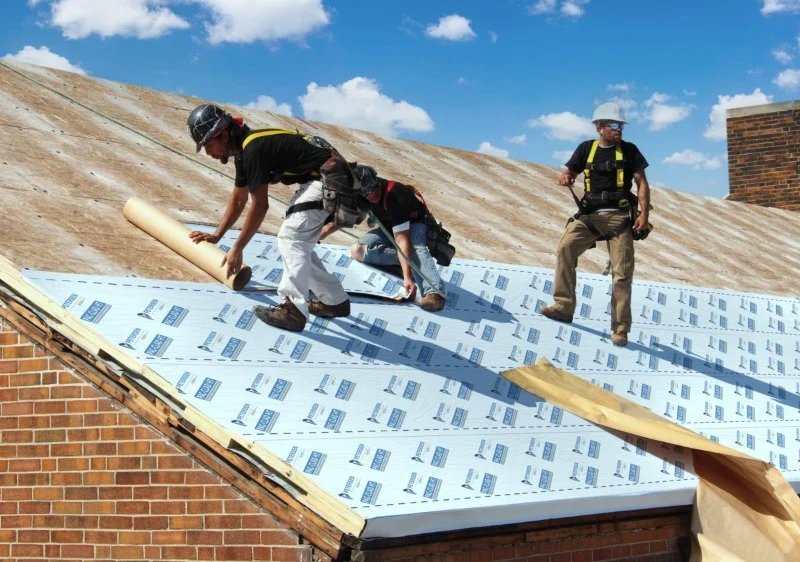
- Best Underlayment Choices for Warm & Humid Summers
- 1. The Importance of Roof Underlayment in Humid Climates
- 2. Types of Roofing Underlayment and Their Performance
- 3. Why Synthetic Underlayment Performs Best in Warm, Humid Weather
- 4. Real Case Example: Battling Moisture Damage in Ontario
- 5. Key Installation Tips for Maximum Protection
- 6. How to Choose the Right Underlayment for Your Home
- 7. Why Choose Pickering Roofing for Expert Advice and Installation
Best Underlayment Choices for Warm & Humid Summers
Warm and humid summers can be tough on roofing systems, especially in regions like southern Ontario, where high humidity and frequent summer rains create the perfect conditions for moisture buildup. The secret to a long-lasting roof lies not only in the shingles you see but in the hidden layer beneath them: the roof underlayment. Choosing the best underlayment for warm and humid climates can make the difference between decades of solid protection and early roof failure. In this guide, we’ll explore the top underlayment options for humid Canadian summers, their pros and cons, and expert insights from Pickering Roofing.

Christensen & McLean Roofing / christensen & mclean roofing
16173 132 Ave NW, Edmonton, AB T5V 1H7, Canada
1. The Importance of Roof Underlayment in Humid Climates
The underlayment acts as a protective barrier between your roof deck and shingles. It serves as the second line of defense against water infiltration, preventing moisture, wind-driven rain, and condensation from damaging your home’s interior structure. In warm and humid regions, high humidity can cause wood rot, mold growth, and reduced insulation effectiveness if the underlayment is inadequate.
Traditional roofing systems that rely solely on shingles can fail quickly when humidity seeps into cracks and nail penetrations. A high-quality underlayment not only repels water but also enhances ventilation and prevents heat buildup, keeping your attic cooler and extending your roof’s lifespan.
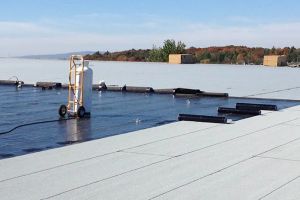
Toitures Garant et Frères Inc / toiture garant
LévisChaudière-AppalachesQuébec
6615 Rue Alfred-Pellan, Lévis, QC G6V 9S9, Canada
2. Types of Roofing Underlayment and Their Performance
Not all underlayment materials perform equally under humid conditions. Understanding their characteristics helps homeowners make smarter choices for their climate.
2.1 Asphalt-Saturated Felt
Known as “felt paper” or “tar paper,” this traditional underlayment is made from organic materials or fiberglass soaked in asphalt. It offers basic waterproofing but tends to absorb moisture, which can weaken its performance over time. In hot and humid summers, felt can wrinkle, bubble, or deteriorate quickly.
2.2 Rubberized Asphalt
This premium underlayment features a self-adhering layer with added polymers and rubber compounds for superior waterproofing. It creates a tight seal around nails and roof penetrations, making it highly effective in areas prone to heavy rain. However, it’s more expensive and requires professional installation to avoid trapping heat or vapor underneath.
2.3 Synthetic Underlayment
Made from advanced polymers like polyethylene or polypropylene, synthetic underlayments are designed to resist moisture absorption, UV exposure, and tearing. They are lightweight, easy to install, and ideal for high-humidity regions. Many roofing experts across Canada recommend synthetic underlayment for its balance of cost, performance, and longevity.
3. Why Synthetic Underlayment Performs Best in Warm, Humid Weather
For homeowners in Canada’s humid summer regions, synthetic underlayment offers unmatched protection and performance. Here’s why it’s becoming the top choice:
3.1 Superior Moisture Resistance
Unlike traditional felt, synthetic underlayment does not absorb water, preventing rot, mold, and odor. Its waterproof surface repels moisture while maintaining breathability to reduce condensation.
3.2 UV and Heat Resistance
Synthetic materials can withstand prolonged exposure to sunlight without breaking down or curling. This is particularly useful during installation periods in mid-summer when roof temperatures can soar above 50°C.
3.3 Long-Term Durability
With tensile strength several times higher than felt, synthetic underlayment resists tears and maintains structural integrity even under heavy foot traffic. Its lighter weight also makes handling and installation faster and safer for roofers.
3.4 Compatibility with Various Roofing Materials
Whether you’re installing asphalt shingles, metal roofing, or clay tiles, synthetic underlayment performs consistently. It’s a versatile choice that suits residential, commercial, and low-slope roof applications alike.
4. Real Case Example: Battling Moisture Damage in Ontario
In the summer of 2022, a homeowner in Pickering, Ontario, faced repeated attic mold problems due to trapped moisture under their aging felt underlayment. After consulting Pickering Roofing, the old felt was replaced with a premium synthetic underlayment featuring vapor permeability. The results were immediate—humidity levels dropped, mold growth stopped, and the homeowner reported a noticeable reduction in indoor heat during July’s peak temperatures. “It felt like we added a layer of insulation just by switching the underlayment,” they shared.
This case highlights how the right underlayment choice can significantly improve not just roof longevity, but overall indoor comfort and energy efficiency.
5. Key Installation Tips for Maximum Protection
Even the best underlayment won’t perform well if installed incorrectly. Here’s what professionals emphasize for warm, humid regions:
5.1 Ensure Proper Ventilation
Balanced attic ventilation prevents trapped heat and moisture that could damage both the roof deck and underlayment. Ridge vents and soffit vents work together to promote airflow.
5.2 Seal Nail Penetrations Carefully
Each fastener hole is a potential entry point for moisture. Synthetic and rubberized underlayments with self-sealing properties can prevent water intrusion around nails and staples.
5.3 Avoid Overlapping Errors
Incorrect overlaps can lead to capillary leaks. Following manufacturer guidelines for overlap width ensures continuous moisture protection.
5.4 Schedule Installation in Dry Weather
Always install underlayment on dry surfaces to maximize adhesion and avoid trapping moisture beneath layers—a common cause of early roof failure.
6. How to Choose the Right Underlayment for Your Home
When choosing an underlayment, consider the specific challenges of your region. In coastal or humid inland climates, look for materials with breathability, mold resistance, and high tensile strength. Synthetic and rubberized asphalt options are excellent choices for their moisture control and durability. Budget-conscious homeowners can still find great performance with hybrid options that combine synthetic fabrics with asphalt-based coatings.
It’s also wise to consult local experts who understand regional weather impacts. Professionals can recommend materials tested in real Canadian conditions—something generic online advice often overlooks.
7. Why Choose Pickering Roofing for Expert Advice and Installation
With decades of experience handling Canada’s diverse roofing challenges, Pickering Roofing is known for delivering tailored solutions that perform under pressure—literally. Their certified roofers specialize in moisture control systems and advanced underlayment installation, ensuring each project meets both local building codes and long-term performance standards.
Whether you’re upgrading a residential roof or designing a new structure, Pickering Roofing can help you select and install the most suitable underlayment for warm and humid summers. Their commitment to quality materials, expert craftsmanship, and customer satisfaction makes them one of the most trusted names in Ontario roofing.
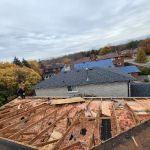 Alba Tech Roofing4.0 (47 reviews)
 T-CON METAL SYSTEMS3.0 (6 reviews)
 Proof Roofing5.0 (47 reviews)
 SW Roofing4.0 (191 reviews)
 Troya Roofing0.0 (0 reviews)
 Area Wide Roofing5.0 (4 reviews)
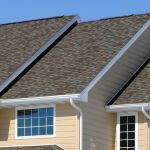 How Much Does a New Roof Cost in 2025? Canadian Roofing Price Guide
 Top Signs Your Roof Has a Leak and What to Do About It in Canada
 Can You Install a New Roof Over an Old One in Canada?
 The Top Questions to Ask Before Hiring a Roofer in Canada
 What Are the Most Common Roofing Scams and How to Avoid Them in Canada
 How to Prepare Your Home for a Roofing Project in Canada