
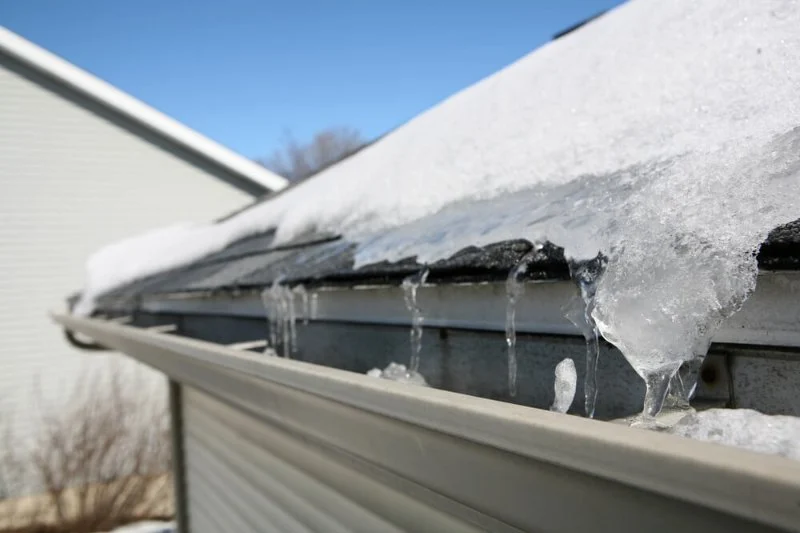
Can Roofing Be Done in the Winter?
- 1- Understanding the Challenges of Winter Roofing
- 2- Pros and Cons of Roofing in Winter
- 3- How Weather Affects Roof Installation and Repairs
- 4- Tips for Successfully Completing Winter Roof Projects
- 5- When to Postpone Roofing Work Until Spring
1- Understanding the Challenges of Winter Roofing
Winter roofing in Canada presents unique challenges due to colder temperatures, snow, and ice that can impact both the installation and repair processes. The freezing conditions can affect materials such as shingles, which may become brittle in extreme cold. Furthermore, snow and ice accumulation can pose safety hazards for roofing contractors. It's essential to consider these factors when planning roofing work during the winter months.
Concord Roofing / roofing company richmond hill
Richmond HillRegional Municipality of YorkOntario
551 16th Ave, Richmond Hill, ON L4C 7A7, Canada
2- Pros and Cons of Roofing in Winter
Like any season, winter roofing has both advantages and disadvantages. Here’s a look at the pros and cons:

Custom Contracting Burlington Roofing & Eavestrough Repair Burlington / eavestrough burlington
BurlingtonRegional Municipality of HaltonOntario
687 Waterloo St, Burlington, ON L7R 2S9, Canada
Pros:
- Availability of Roofing Contractors: In winter, roofing companies may have more availability since the demand for roofing services tends to be lower than during the warmer months.
- Reduced Costs: Since winter is an off-season, some roofing contractors may offer discounted prices, making it a more affordable time for homeowners to get their roofs repaired or replaced.
Cons:
- Material Issues: Cold weather can cause certain materials, such as asphalt shingles, to become stiff and difficult to work with. This can result in problems with the installation or sealing of the shingles.
- Safety Concerns: Ice and snow accumulation on the roof pose significant safety risks for both the workers and the homeowner. Roofing work during these conditions can be dangerous.
- Delays: Winter storms or sudden temperature drops can cause delays in roofing projects, as conditions may not be suitable for work to proceed.
3- How Weather Affects Roof Installation and Repairs
Winter weather conditions directly impact how roofing materials perform. Below are some ways the weather can affect the process:
- Cold Temperatures: Cold temperatures can cause roofing materials like shingles to become brittle, making them difficult to install properly. In some cases, adhesives may not bond well in low temperatures, leading to issues with durability.
- Moisture and Ice: Ice and water buildup can complicate the repair process, especially if there are leaks or damage to flashing, gutters, or valleys in the roof. Snow and ice may also delay repairs or installations as it needs to be cleared off the roof first.
- Wind: High winds common during winter can pose significant safety hazards for roofing contractors, making it difficult to work efficiently and securely.
4- Tips for Successfully Completing Winter Roof Projects
To ensure a successful roofing project during the winter months, here are some helpful tips:
- Choose the Right Materials: Some roofing materials, such as rubberized asphalt or synthetic shingles, are designed to perform better in colder weather.
- Proper Timing: Plan roofing projects for when the weather is most cooperative. Choose days that are above freezing and avoid working during heavy snowstorms or rain.
- Clear the Roof of Snow and Ice: Ensure the roof is clear of snow and ice before starting the project to reduce safety risks and to make the work area safer for contractors.
- Work with Experienced Contractors: Make sure the roofing contractor you choose is experienced in winter roofing and understands how to handle the challenges that come with colder temperatures and snow.
5- When to Postpone Roofing Work Until Spring
While roofing can be done in winter, there are times when it’s better to wait until the warmer months. Here are a few situations where postponing the work makes sense:
- Severe Weather Conditions: If you’re expecting extreme cold, snowstorms, or ice, it’s best to delay roofing projects until the weather improves. These conditions can hinder both the installation and the safety of workers.
- Material Restrictions: If the roofing material you need to install requires warmer temperatures to be effective, postponing the project may be necessary to ensure a longer-lasting result.
- Health and Safety Risks: If there is a concern about worker safety due to slick surfaces, it is best to delay the project. The risk of accidents increases significantly in the winter months.
If you are considering roofing work during the winter or need more guidance, visit Pickering Roofing for expert advice, products, and services.
 Armour Shield Roofing GTA4.0 (43 reviews)
 nu2u Renovations1.0 (1 reviews)
 Clark Roofing (1964) Ltd4.0 (10 reviews)
 The Roofing Factory5.0 (29 reviews)
 Lincoln Exterior Renovations4.0 (165 reviews)
 Roy Dennis Roofing4.0 (42 reviews)
 How Much Does a New Roof Cost in 2025? Canadian Roofing Price Guide
 Top Signs Your Roof Has a Leak and What to Do About It in Canada
 Can You Install a New Roof Over an Old One in Canada?
 The Top Questions to Ask Before Hiring a Roofer in Canada
 What Are the Most Common Roofing Scams and How to Avoid Them in Canada
 How to Prepare Your Home for a Roofing Project in Canada