
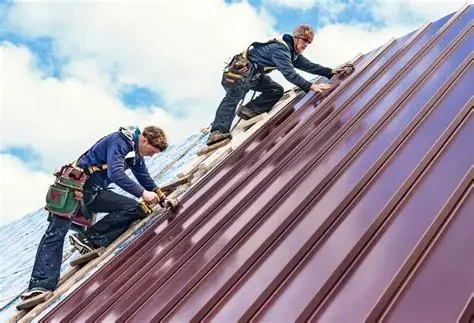
- 1. Why Roofing in Winter Is Challenging
- 2. Can Roofing Be Done in the Winter?
- 3. Challenges of Winter Roofing
- 4. Benefits of Winter Roofing
- 5. When Is Winter Roofing Necessary?
- 6. Real-Life Example: Winter Roofing Experience
1. Why Roofing in Winter Is Challenging
Roofing during the winter season can pose some unique challenges due to the colder temperatures, snow, and ice. In Canada, where winter conditions can be particularly harsh, it’s natural to wonder if roofing work can still be performed effectively in such weather. Typically, colder temperatures affect the materials used in roofing and the techniques applied during installation or repairs. For example, asphalt shingles become less flexible when cold, and adhesives used in roofing systems may not bond properly in freezing conditions.
Despite these challenges, many roofing companies are equipped to handle winter roofing tasks, though special precautions must be taken to ensure quality and safety. Homeowners in need of roofing repairs or installation in the winter should understand both the limitations and the strategies roofing professionals use to get the job done during the colder months.
Ck Roofing Solutions / ck roofing solutions
MarkhamRegional Municipality of YorkOntario
8 Hikers Ln, Markham, ON L6B 0K3, Canada
2. Can Roofing Be Done in the Winter?
Yes, roofing can be done in the winter, but it requires a different approach compared to roofing during the warmer months. While it’s not the ideal time for all types of roofing projects, certain repairs or replacements can still be carried out effectively in cold weather. However, contractors must be prepared for the specific challenges posed by the winter weather, such as freezing temperatures, snow, and ice.
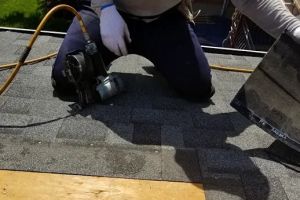
For instance, when installing asphalt shingles in the winter, contractors often use a heat gun to make the shingles more pliable so they can be installed without cracking. Special adhesives that work in lower temperatures may also be used to ensure proper sealing. The key to successfully roofing in winter is planning and preparation, ensuring that both the materials and the crew are equipped to handle the cold conditions safely and effectively.
Flat Roofs Toronto / flat roof repair toronto
1420 Dupont St, Toronto, ON M6H 0C2, Canada
3. Challenges of Winter Roofing
There are several challenges associated with roofing in the winter that both homeowners and contractors must be aware of. These challenges include:
- Cold Temperatures: Cold temperatures can cause roofing materials, especially shingles, to become brittle and break more easily. This can make installation or repairs more difficult and result in damage to materials if not handled carefully.
- Snow and Ice: Snow and ice can make it hazardous for workers to install or repair roofs. These conditions may also affect the materials, especially if snow or ice accumulates on the roof during the job, causing delays.
- Shorter Daylight Hours: With fewer daylight hours, roofing work in the winter is often more time-sensitive, and contractors must work efficiently to ensure they complete the job before it gets too dark.
- Frozen Roofs: If the roof is covered in ice or snow, it may be difficult to inspect or work on it properly. In some cases, snow removal must be done first, which can delay the process.
While these challenges may make winter roofing seem less appealing, with the right techniques and equipment, many contractors can still perform quality work in the winter. Proper preparation and understanding of the risks involved are crucial for the success of any winter roofing project.
4. Benefits of Winter Roofing
Despite the challenges, there are also several benefits to roofing in the winter that homeowners should consider:
- Availability of Contractors: During the winter months, roofing companies often have more availability as the demand for roofing projects tends to be lower compared to the spring and summer. This can make it easier to schedule a roofing job and potentially reduce costs.
- Preventive Repairs: If your roof has been damaged by a storm or wear and tear over the fall, winter roofing can help prevent further damage from snow and ice. Timely repairs in winter can avoid more significant issues that might arise if left until spring.
- Immediate Action for Leaks: If you’re experiencing a leak or other issues, winter roofing is sometimes necessary to prevent water from entering the home and causing interior damage. Delaying roof repairs until the weather improves can lead to worsening damage inside your home.
In some cases, waiting until the warmer months to replace or repair a roof can result in further complications. Winter roofing, when necessary, allows homeowners to address issues before they become more problematic in the spring.
5. When Is Winter Roofing Necessary?
There are certain situations in which winter roofing becomes a necessity. If your roof has suffered significant damage during a storm, a leak is causing water damage inside your home, or your roof is at risk of further deterioration from snow and ice accumulation, it's best to address the issue immediately with winter roofing services. Postponing repairs or replacements can lead to more extensive damage and higher repair costs down the line.
Additionally, if your roof is reaching the end of its lifespan and showing signs of wear, it may be a good idea to have it replaced during the winter to avoid unexpected leaks when the weather warms up. It’s crucial to have a trusted roofing contractor assess the condition of your roof and determine if winter roofing is the right option for you.
6. Real-Life Example: Winter Roofing Experience
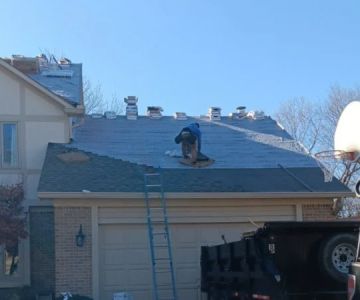
Consider the experience of a homeowner in Ontario, who faced a roofing emergency during a particularly harsh winter. After a major storm, a few shingles had been blown off, and snow was beginning to accumulate in the gaps. The homeowner contacted a roofing contractor, who explained that immediate repairs were necessary to prevent water from entering the attic and causing further damage to the structure. The contractor used special winter roofing materials and techniques to replace the missing shingles and seal the gaps, ensuring that the home remained protected throughout the rest of the winter.
This case shows how important it is to take action when roofing problems arise during the winter. In this instance, timely action prevented much more extensive damage, and the homeowner was able to avoid a costly interior repair down the line.
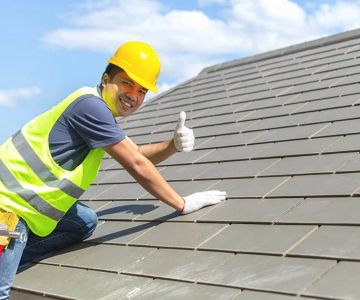
 Roofing Tips0.0 (0 reviews)
 Gamma Roofing5.0 (1 reviews)
 Silver Oak Roofing5.0 (99 reviews)
 Canadian Siding and Roofing4.0 (17 reviews)
 Renovations Lorenzo Fillion3.0 (4 reviews)
 Demco Canada4.0 (65 reviews)
 How Much Does a New Roof Cost in 2025? Canadian Roofing Price Guide
 Top Signs Your Roof Has a Leak and What to Do About It in Canada
 Can You Install a New Roof Over an Old One in Canada?
 The Top Questions to Ask Before Hiring a Roofer in Canada
 What Are the Most Common Roofing Scams and How to Avoid Them in Canada
 How to Prepare Your Home for a Roofing Project in Canada