
- Challenges of Winter Roofing
- Can Roofing Be Done in Winter?
- Winter Roofing Materials
- Hiring Professionals for Winter Roofing
- Roofing Repair Tips in Cold Weather
Challenges of Winter Roofing
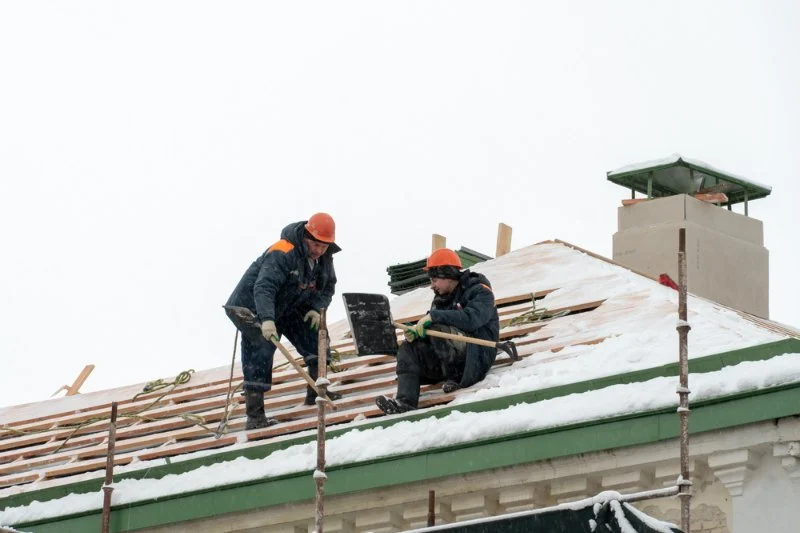
Roofing in winter presents unique challenges, especially in cold regions like Canada, where temperatures can drop below freezing. While it is possible to install or repair a roof during the winter, the process comes with its own set of difficulties that require careful planning and specialized skills. From the impact of cold temperatures on roofing materials to the logistical challenges of working in snow and ice, winter roofing demands a higher level of expertise.
In Canada, winter weather can significantly affect the timing and quality of roofing work. It’s essential to understand these challenges before considering roofing during the colder months. Below, we’ll explore the feasibility of winter roofing, the specific hurdles involved, and how professional roofing companies address these issues.
Toitures Garant et Frères Inc / toiture garant
LévisChaudière-AppalachesQuébec
6615 Rue Alfred-Pellan, Lévis, QC G6V 9S9, Canada
Can Roofing Be Done in Winter?
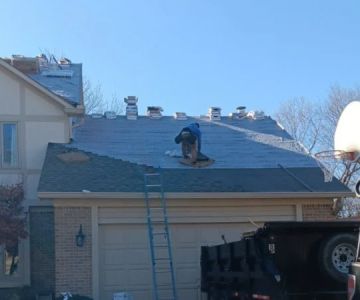
Yes, roofing can be done in winter, but it requires additional care and the right conditions. While roofing projects are typically associated with warmer months, many roofing companies in Canada continue to work throughout the winter, especially when roof damage is urgent. However, cold weather roofing comes with challenges that can affect both the process and the materials used.
Roofing in winter involves more than just dealing with cold temperatures. Snow, ice, and shorter daylight hours complicate the work schedule, and there are specific precautions that need to be taken. Below, we discuss why roofing can be done in winter and the best approach to take during this season.
Toiture Royale Expert Inc. / toiture royale expert
LévisChaudière-AppalachesQuébec
7921 Rue de l'Orge, Lévis, QC G6Y 0G1, Canada
1. Temperature Sensitivity of Roofing Materials
One of the main challenges when roofing in winter is the effect of cold temperatures on roofing materials. For instance, asphalt shingles become brittle in freezing temperatures, making them more prone to cracking or breaking during installation. To address this, many roofing professionals opt for materials that are less affected by the cold, such as metal roofing or special winter-grade shingles that can withstand lower temperatures.
2. Working in Snow and Ice
Snow and ice can create hazardous working conditions, making roof installation or repair risky. The roof surface can become slippery, and snow buildup can obstruct workers, slowing down the project. Roofing professionals use specialized equipment like safety harnesses, roofing shoes with grip, and snow removal techniques to ensure a safe working environment despite the harsh conditions.
3. Shorter Daylight Hours
In the winter months, days are shorter, which limits the amount of daylight available for roofing work. This can delay projects, requiring workers to be more efficient and prioritize safety while managing the time constraints. Often, roofing contractors may work in shifts to maximize daylight hours, or use artificial lighting for evening work sessions.
Winter Roofing Materials
When considering roofing in winter, choosing the right materials is essential for a successful installation. Certain roofing materials are more suitable for winter installations due to their ability to withstand cold temperatures and adverse weather conditions.
1. Asphalt Shingles
While asphalt shingles are commonly used, they can be more challenging to work with during the winter. These shingles are known to become brittle in cold temperatures, which makes them more prone to cracking or breaking during installation. However, certain brands offer "winter-grade" shingles that are designed to withstand cold temperatures, making them more flexible and durable for winter use.
2. Metal Roofing
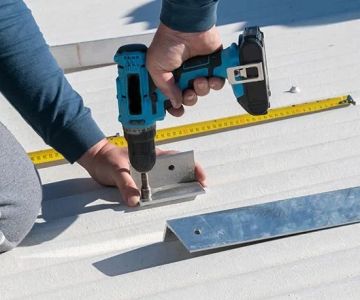
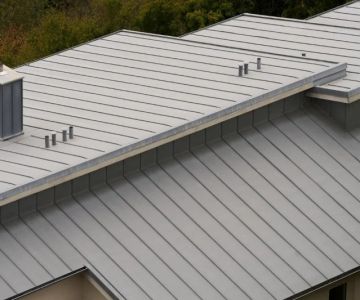
Metal roofing is a great option for winter installations. It is durable, lightweight, and resistant to damage from snow and ice. Metal roofs can be installed more easily in cold weather, as they don’t become brittle like asphalt shingles. They also shed snow more effectively, reducing the risk of snow buildup on the roof.
3. Rubber or Synthetic Roofing Materials
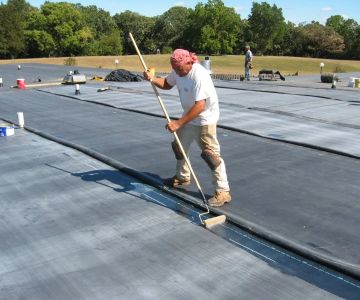
Rubber and synthetic roofing materials are ideal for winter roofing because they remain flexible in cold weather, making them easier to install. These materials are also resistant to snow and ice buildup, providing better protection against the elements.
Hiring Professionals for Winter Roofing
While some homeowners may attempt to handle minor roof repairs on their own, winter roofing projects are best left to professionals. Roofing contractors have the experience and specialized equipment necessary to deal with the unique challenges posed by winter weather. They also know how to work safely in cold conditions and how to handle materials that are sensitive to temperature changes.
Professional roofers will also be able to assess the current condition of your roof, determine the best materials for your winter project, and ensure that your roof is properly installed or repaired. Additionally, experienced contractors can spot any potential issues, such as ice dams or insufficient ventilation, that could cause further damage if left unaddressed.
Roofing Repair Tips in Cold Weather
If you're facing roofing issues during the winter months, it’s essential to act quickly to prevent further damage. Here are some key roofing repair tips for cold weather:
1. Act Quickly on Leaks
Winter roof leaks can lead to significant damage, including water stains on your ceilings, insulation issues, and potential mold growth. If you notice leaks during the winter, it’s essential to address them immediately by calling a professional roofing contractor. Temporary repairs can be made using weatherproof tarps to prevent further water damage until the roofing company can come out to make a permanent fix.
2. Prevent Ice Dams
Ice dams form when melting snow refreezes at the roof’s edge, blocking the drainage path and causing water to back up underneath the shingles. This can lead to leaks and damage. To prevent ice dams, ensure your roof has proper insulation and ventilation to maintain a consistent temperature across the entire roof.
3. Keep Gutters Clean
Clean gutters are crucial during winter to ensure that melted snow and ice can flow freely. Clogged gutters can cause water to pool on your roof, increasing the risk of leaks and ice dam formation. Make sure to clear your gutters regularly to avoid these problems.
For expert advice, roof inspections, and high-quality winter roofing services, visit Pickering Roofing to ensure that your roof is in top shape, no matter the season.
 Awash Roofing4.0 (4 reviews)
 Pearson Roofing Corporation4.0 (49 reviews)
 Toitures Montcalm5.0 (1 reviews)
 Dr Roof Ltd0.0 (0 reviews)
 Dillon Bros. Roofing4.0 (11 reviews)
 Premium Roofing Ltd.4.0 (87 reviews)
 How Much Does a New Roof Cost in 2025? Canadian Roofing Price Guide
 Top Signs Your Roof Has a Leak and What to Do About It in Canada
 Can You Install a New Roof Over an Old One in Canada?
 The Top Questions to Ask Before Hiring a Roofer in Canada
 What Are the Most Common Roofing Scams and How to Avoid Them in Canada
 How to Prepare Your Home for a Roofing Project in Canada