
- can-you-install-a-new-roof-over-an-old-one
- 1-understanding-the-basic-concept
- 2-advantages-of-installing-a-new-roof-over-an-old-one
- 3-the-risks-and-limitations
- 4-building-codes-and-local-regulations-in-canada
- 5-when-is-it-a-good-idea
- 6-real-life-case-study-from-ontario
- 7-professional-evaluation-matters
- 8-how-pickering-roofing-can-help
Can You Install a New Roof Over an Old One?
In Canada’s climate, roof replacement is a major decision—and many homeowners wonder if installing a new roof over an old one is a viable shortcut. While it might sound like an efficient way to save time and money, the reality is nuanced. Let’s explore this topic in detail, considering safety, cost, and long-term durability for Canadian homeowners.
Lansard Bros Roofing Ltd / lansard roofing
50 Don Valley Pkwy, Sunnyside, MB R5R 0C9, Canada
1. Understanding the Basic Concept
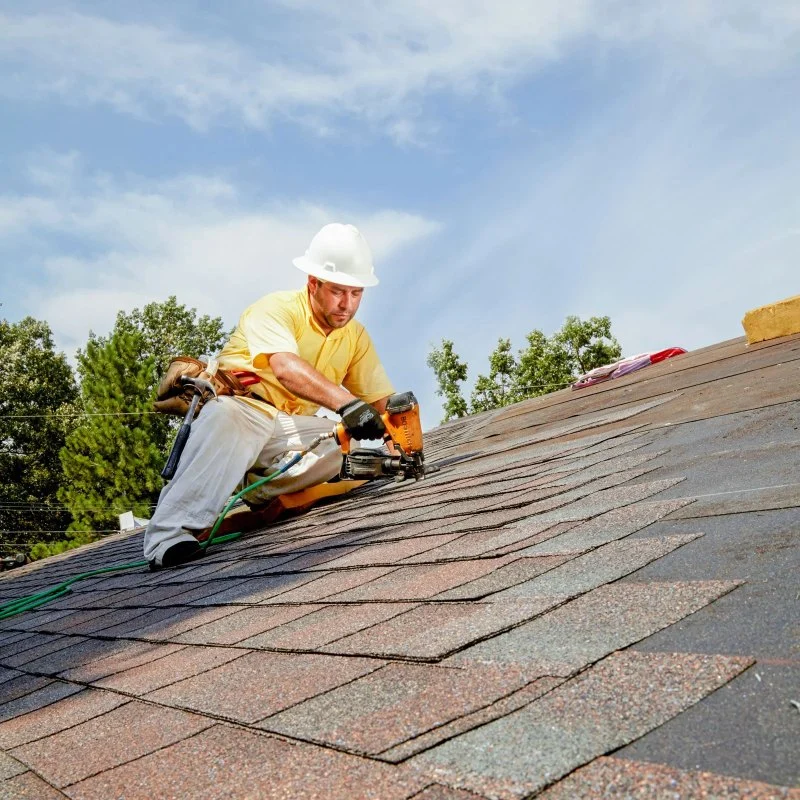
Installing a new roof over an old one—commonly referred to as a "roof overlay"—involves placing new shingles directly over existing ones instead of tearing off the old roofing materials. This is usually done with asphalt shingles, and it can be tempting because it avoids demolition work and reduces labor costs. But is it always the best choice?
In principle, this method can be acceptable in certain conditions. However, it’s not just a technical decision—it also involves compliance with Canadian building codes, weather resilience, and the structural capacity of your home’s roofing system.

Ottawa Eavestrough Group / eavestrough repair ottawa
340 Albert St, Ottawa, ON K1R 7Y6, Canada
2. Advantages of Installing a New Roof Over an Old One
There are a few reasons why some homeowners opt for this method, especially in regions like Ontario or British Columbia where roofing costs can add up quickly.
2.1 Cost-Effectiveness
Since there’s no need to remove the existing shingles, homeowners save on labor and disposal fees. This can reduce overall expenses by 15–25% in some cases.
2.2 Time-Saving
Roof overlays can often be completed in less than half the time of a full roof replacement. This is particularly beneficial in areas with unpredictable weather where every day counts.
2.3 Less Mess and Disruption
Without the tear-off process, there’s significantly less dust, noise, and debris, making it a more convenient option for families who remain in the home during renovation.
3. The Risks and Limitations
Despite its appeal, roof overlay comes with notable risks that Canadian homeowners should carefully consider.
3.1 Hidden Damage
Covering an old roof may trap moisture or hide underlying issues like rotted decking or leaks. This can shorten the life of the new roof and create structural hazards down the line.
3.2 Additional Weight
Canadian homes, especially in snow-heavy provinces like Alberta and Manitoba, already bear significant seasonal weight. Adding another layer of shingles can strain your roof’s structural integrity if it wasn’t originally designed for it.
3.3 Reduced Lifespan
A new roof installed over an old one may not last as long as a fresh replacement. Heat and moisture trapped between layers can accelerate shingle deterioration.
4. Building Codes and Local Regulations in Canada
Before you consider this option, it’s vital to consult local building codes. Many provinces and municipalities have strict rules:
4.1 Maximum Layer Restrictions
In most Canadian cities, building codes allow only two layers of shingles. If your roof already has two layers, a full tear-off becomes mandatory.
4.2 Permit Requirements
Some cities like Toronto and Vancouver require permits even for overlays. Skipping this step can lead to fines or insurance complications.
5. When Is It a Good Idea?
There are scenarios where installing a new roof over an old one makes practical and financial sense.
5.1 Structurally Sound Roof Deck
If your roof deck is in excellent condition, and there’s only one existing layer of shingles, an overlay may be viable. A professional inspection is crucial here.
5.2 Short-Term Property Ownership
If you plan to sell your home in the next 3–5 years, and the overlay meets code, it might be a cost-effective solution that improves curb appeal quickly.
6. Real-Life Case Study from Ontario
In 2023, a homeowner in Pickering, Ontario decided to go with a roof overlay to cut costs on their 25-year-old bungalow. After careful inspection, it was determined that the old shingles were still well-adhered and the deck was solid. A new architectural shingle layer was installed within two days, with cost savings of nearly $4,000 compared to a full tear-off. The homeowner reported improved insulation and no issues through the subsequent winter.
However, a neighbor who also chose this route without a professional inspection later discovered attic mold due to poor ventilation between layers—emphasizing the importance of expertise in the decision-making process.
7. Professional Evaluation Matters
The most critical step before committing to a roof-over-roof installation is a thorough professional assessment. A reputable roofing contractor will:
- Inspect for hidden damage or leaks
- Evaluate the roof’s structural capacity for additional weight
- Ensure compliance with Canadian building codes
- Check for proper ventilation and flashing requirements
Skipping this step to save time can lead to expensive repairs later.
8. How Pickering Roofing Can Help
If you're unsure whether a roof overlay is the right solution for your home, Pickering Roofing offers personalized consultations tailored to your property’s age, structure, and location in Canada. We ensure every decision aligns with current building standards, long-term durability, and your budget goals.
Our team of certified professionals will help you assess whether your home qualifies for a roof-over-roof solution or if a complete replacement is safer and more cost-effective in the long run. Visit Pickering Roofing to find the best roofing solution for your needs.
 Donia Aluminum & Roofing Contractor4.0 (14 reviews)
 Ottawa Eavestrough Group5.0 (1 reviews)
 KRC Roofing5.0 (7 reviews)
 OTR Roofing Burlington5.0 (4 reviews)
 Toitures Ile D’Orléans Inc3.0 (19 reviews)
 Cox Roofing Systems4.0 (9 reviews)
 How Much Does a New Roof Cost in 2025? Canadian Roofing Price Guide
 Top Signs Your Roof Has a Leak and What to Do About It in Canada
 Can You Install a New Roof Over an Old One in Canada?
 The Top Questions to Ask Before Hiring a Roofer in Canada
 What Are the Most Common Roofing Scams and How to Avoid Them in Canada
 How to Prepare Your Home for a Roofing Project in Canada