
- 1. Importance of Roofing for Sloped Landscapes
- 2. Factors to Consider When Choosing a Roofing Style
- 3. Best Roofing Styles for Hillside Homes
- 4. Roofing Materials for Sloped Homes
- 5. Case Study: Roofing for a Hillside Home
1. Importance of Roofing for Sloped Landscapes
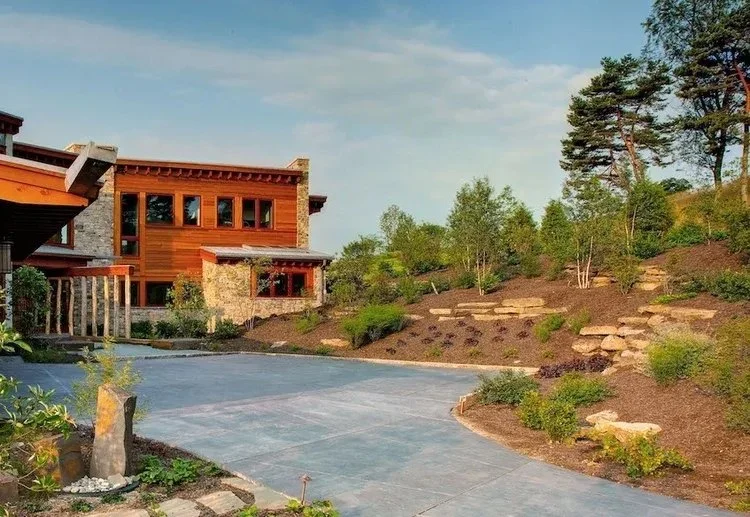
When designing a home on a sloped landscape or hillside, selecting the right roofing style is crucial. The roof plays a significant role in the structural integrity, aesthetic appeal, and longevity of the home. Sloped landscapes present unique challenges that require a roofing system designed to handle rainwater drainage, wind resistance, and even the weight distribution on the structure. Choosing the wrong roofing style can lead to long-term damage, water infiltration, and costly repairs. Therefore, understanding the importance of roofing for sloped landscapes is essential for any homeowner planning to build or renovate a hillside home.
Concord Roofing / roofing company richmond hill
Richmond HillRegional Municipality of YorkOntario
551 16th Ave, Richmond Hill, ON L4C 7A7, Canada
2. Factors to Consider When Choosing a Roofing Style
Several factors should influence the decision when choosing the right roofing style for a sloped landscape or hillside home. These factors include:
- Climate and Weather Conditions: Consider the weather patterns in your area. Sloped roofs are ideal for areas with heavy rainfall or snowfall as they allow water to flow off easily.
- Wind Resistance: A steeper roof pitch can help reduce wind resistance, making it more stable in storm-prone areas.
- Drainage: Proper drainage is essential for sloped homes. The roof style should facilitate water runoff to prevent leaks and water damage.
- Aesthetic Appeal: The roofing style should complement the architectural design of your hillside home, contributing to its overall visual appeal.
- Structural Considerations: The structural framework of your home must support the roofing style you choose, especially if the slope is steep.
Marlad Roofing & Siding Inc / marlad
BramptonRegional Municipality of PeelOntario
30 Hale Rd Unit 14, Brampton, ON L6W 4N9, Canada
3. Best Roofing Styles for Hillside Homes
Several roofing styles work well for hillside homes, each offering unique benefits:
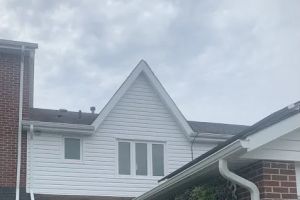
- Gable Roof: A classic choice for sloped homes, gable roofs feature two sides that meet at a peak, allowing water and snow to flow off efficiently. This style is suitable for both steep and moderate slopes.
- Hip Roof: Hip roofs have four sloping sides, offering better wind resistance and a more stable design. This style is often chosen for homes on steeper slopes due to its structural strength.
- Butterfly Roof: The butterfly roof features two sloped sections that meet in the middle, creating a V-shape. This unique design is popular for modern hillside homes and can also improve rainwater collection for sustainable living.
- Flat Roof: Although not ideal for heavy snowfall, flat roofs can be a great option for homes on moderate slopes, especially in areas where rainfall is light. Flat roofs also provide additional living space for outdoor areas.
4. Roofing Materials for Sloped Homes
Choosing the right roofing material for sloped homes is essential for ensuring durability, weather resistance, and aesthetic appeal. Common materials used for sloped roofs include:
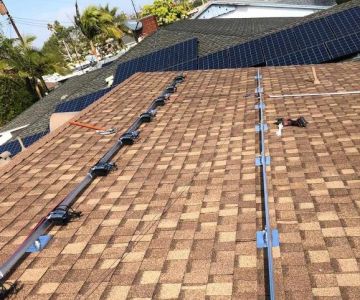
- Asphalt Shingles: A popular and affordable choice, asphalt shingles are durable and work well for homes on moderate slopes. They come in various colors and styles, making them versatile for different architectural designs.
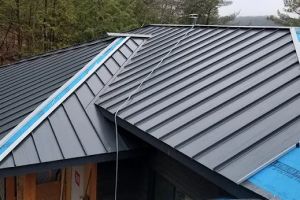
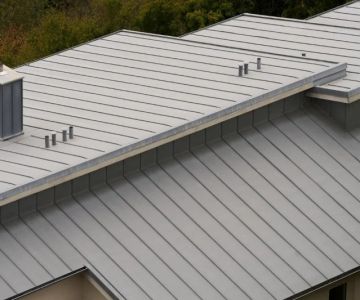
- Metal Roofing: Metal roofs are a great choice for steeper slopes due to their durability and ability to shed water quickly. They are fire-resistant, energy-efficient, and available in a variety of styles and colors.
- Clay and Concrete Tiles: These materials are ideal for homes in warmer climates, providing excellent heat resistance and a distinctive look. However, they are heavy and may require additional structural support for hillside homes.
- Wood Shingles: Wood shingles offer a natural look and are suitable for homes with moderate slopes. They provide good insulation but require regular maintenance to prevent rot and decay.
5. Case Study: Roofing for a Hillside Home
In a recent project, a homeowner in British Columbia built their dream hillside home overlooking a scenic valley. The sloped landscape posed challenges in terms of both aesthetics and functionality. After consulting with a roofing professional, they opted for a metal roof with a steep gable design to improve water drainage and reduce wind resistance. The metal roof not only matched the home’s modern design but also provided long-lasting durability against the region's heavy rainfall and snow. Additionally, the homeowner was able to save on energy costs due to the roof’s excellent insulation properties. This case study highlights the importance of choosing the right roofing style and material for hillside homes to ensure both aesthetic appeal and functional performance.
If you're planning a hillside home or are in need of roofing solutions for sloped landscapes, visit Pickering Roofing for expert advice and top-quality roofing services tailored to your needs. Our team can help you choose the perfect roofing style and materials for your unique home.
 Premier Roofing4.0 (20 reviews)
 Roomi's Roofing5.0 (24 reviews)
 MCBM Roofing Services and Contracting LTD4.0 (270 reviews)
 Trinic Toitures Inc.5.0 (21 reviews)
 Walker Contracting4.0 (16 reviews)
 Brault Roofing (SK) Inc.0.0 (0 reviews)
 How Much Does a New Roof Cost in 2025? Canadian Roofing Price Guide
 Top Signs Your Roof Has a Leak and What to Do About It in Canada
 Can You Install a New Roof Over an Old One in Canada?
 The Top Questions to Ask Before Hiring a Roofer in Canada
 What Are the Most Common Roofing Scams and How to Avoid Them in Canada
 How to Prepare Your Home for a Roofing Project in Canada