
- 1. Understanding Lifecycle Cost in Roofing
- 2. Common Roof Types and Their Costs
- 3. Comparing Roof Types by Lifecycle Cost
- 4. The Long-Term Benefits of Considering Lifecycle Costs
- 5. How Maintenance Affects Roof Lifecycle Costs
1. Understanding Lifecycle Cost in Roofing
When it comes to choosing the right roofing material for your home, many homeowners focus primarily on the upfront price. However, considering the lifecycle cost of a roof is essential for making an informed decision. Lifecycle cost refers to the total cost of a roof over its entire lifespan, including installation, maintenance, repairs, and eventual replacement.
Focusing solely on the initial cost may lead to higher expenses down the road if the roof requires frequent repairs or needs to be replaced sooner than expected. By considering lifecycle costs, you can choose a roofing material that offers the best value in terms of longevity and overall performance.
Stokes Roofing / stokes roofing
PeterboroughPeterborough CountyOntario
641 Bellaire St, Peterborough, ON K9J 3Y5, Canada
2. Common Roof Types and Their Costs
There are several roofing materials to choose from, each with its own set of benefits and costs. The most common roof types include:
Strasser & Lang / strasser and lang
Thunder BayThunder Bay DistrictOntario
675 Harold Crescent, Thunder Bay, ON P7C 5H5, Canada
2.1. Asphalt Shingles
Asphalt shingles are the most popular roofing choice due to their low upfront cost. They typically cost less to install compared to other roofing options, making them an attractive option for homeowners on a budget. However, their lifespan is shorter, often ranging from 15 to 30 years, depending on the quality of the shingles and the climate conditions.
2.2. Metal Roofing
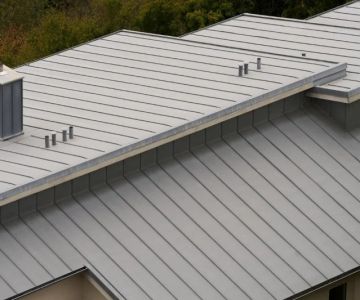
Metal roofs are known for their durability and long lifespan, often lasting 40-70 years. While metal roofing can have a higher upfront cost, it requires less maintenance over time and is highly resistant to harsh weather conditions like snow, hail, and high winds.
2.3. Slate Roofing
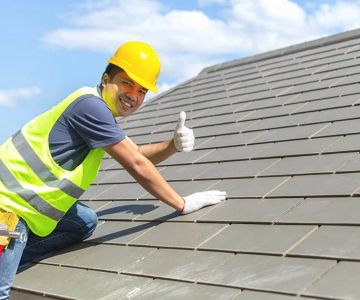
Slate roofs are extremely durable and can last up to 100 years or more. They are an excellent choice for those looking for a long-term investment, though they come with a significant upfront cost. Slate roofs also require professional installation due to their weight and complexity.
2.4. Wood Shingles and Shakes
Wood shingles and shakes provide a natural aesthetic and are often used in traditional and rustic homes. While they offer good insulation and curb appeal, they require more maintenance and have a shorter lifespan compared to metal or slate roofs. Wood roofs may last 30-50 years, depending on the type of wood and the level of maintenance.
2.5. Clay and Concrete Tiles
Clay and concrete tile roofs are known for their longevity and resilience, with lifespans of 50-100 years. These materials are highly durable and resistant to fire and extreme weather, but they can be expensive to install. They are also heavy, requiring reinforced support for the roof structure.
3. Comparing Roof Types by Lifecycle Cost
To make a well-informed decision, it's essential to consider both the initial cost and the expected lifespan of different roofing materials. Here's a comparison of the lifecycle costs for common roof types:
3.1. Asphalt Shingles
While asphalt shingles are the cheapest option upfront, their relatively short lifespan means that they may need to be replaced more frequently than other materials. The total lifecycle cost includes the cost of installation, maintenance, and replacement, which can add up over time.
3.2. Metal Roofing
Metal roofing offers a longer lifespan and lower maintenance requirements, making it a better long-term investment. While the initial cost is higher, the reduced need for repairs and replacements over the years can make it a more economical choice in the long run.
3.3. Slate Roofing
Slate roofing has a high upfront cost, but its extreme durability means that it can last for several generations. Over its lifespan, slate offers excellent value for money, especially in areas with harsh climates. The primary consideration is the initial cost and the need for specialized installation.
3.4. Wood Shingles and Shakes
Wood shingles and shakes have a moderate initial cost but require more frequent maintenance to prevent moss, mold, and decay. The overall lifecycle cost depends on the level of upkeep needed, which can be higher compared to more durable materials like metal or slate.
3.5. Clay and Concrete Tiles
Clay and concrete tiles have a high initial cost but offer a long lifespan with minimal maintenance. Their durability and energy efficiency make them a great option for homeowners willing to invest upfront for long-term savings on repairs and energy costs.
4. The Long-Term Benefits of Considering Lifecycle Costs
Considering lifecycle costs rather than just the upfront price offers several advantages:
4.1. Better Return on Investment (ROI)
Choosing a roof that requires fewer repairs and replacements will ultimately save you money in the long run. Roofs with longer lifespans and lower maintenance costs offer a higher ROI, as you won’t need to spend money on frequent repairs or replacements.
4.2. Enhanced Energy Efficiency
Certain roofing materials, such as metal or tile, can improve the energy efficiency of your home by reflecting heat, keeping your house cooler in the summer and warmer in the winter. This can result in lower energy bills over time, making it a wise long-term investment.
4.3. Improved Property Value
A durable, long-lasting roof can increase the value of your home. Potential buyers may be more willing to invest in a home with a high-quality roof that will not require immediate repairs or replacement, especially in a competitive housing market.
5. How Maintenance Affects Roof Lifecycle Costs
Maintenance plays a significant role in the lifecycle cost of a roof. Proper care can extend the life of your roof, reducing the need for costly repairs and replacements. Here are some maintenance tips for different types of roofs:
5.1. Regular Inspections
Inspect your roof at least once a year, and after any major weather event, to catch any issues early. Look for signs of wear, such as loose or missing shingles, cracks, or damage to flashing. Early intervention can prevent minor problems from turning into costly repairs.
5.2. Clean Gutters and Valleys
Keeping gutters and valleys clear of debris ensures proper drainage and prevents water from pooling on the roof. Clogged gutters can cause water to back up under the roofing material, leading to leaks and damage over time.
5.3. Timely Repairs
Address small issues, such as cracked shingles or worn-out flashing, as soon as they arise. Timely repairs can prevent larger, more expensive problems down the road and help extend the life of your roof.
If you're looking for roofing solutions that provide the best value over the long term, visit Pickering Roofing for the highest-quality roofing materials and services tailored to your needs.
 Chisholm Roofing1.0 (2 reviews)
 EPDM Roofers5.0 (2 reviews)
 Roofcraft Incorporated5.0 (5 reviews)
 Expert Roofing5.0 (18 reviews)
 Privilege Building Contractors0.0 (0 reviews)
 Vantage Roofing Ltd. - Burnaby Roofers & Roofing Contractors5.0 (40 reviews)
 How Much Does a New Roof Cost in 2025? Canadian Roofing Price Guide
 Top Signs Your Roof Has a Leak and What to Do About It in Canada
 Can You Install a New Roof Over an Old One in Canada?
 The Top Questions to Ask Before Hiring a Roofer in Canada
 What Are the Most Common Roofing Scams and How to Avoid Them in Canada
 How to Prepare Your Home for a Roofing Project in Canada