
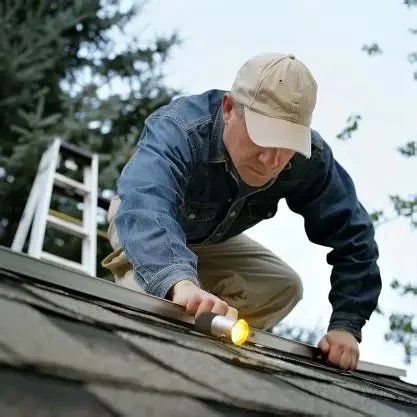
DIY Roof Inspection Tips Every Homeowner Should Know
- 1. Why Roof Inspection is Important
- 2. When to Conduct a Roof Inspection
- 3. How to Safely Inspect Your Roof
- 4. Common Signs of Roof Damage
- 5. What to Do If You Find Damage
- 6. Why Choose Pickering Roofing for Your Roof Inspection
1. Why Roof Inspection is Important
Regular roof inspections are vital to maintaining the health of your home. Your roof is the first line of defense against weather elements, and any damage, no matter how small, can lead to more significant issues down the line. A simple roof inspection can help you identify potential problems before they worsen, saving you money and preventing costly repairs.
Whether it’s after a harsh winter, a summer storm, or just regular wear and tear, inspecting your roof regularly ensures that it remains in optimal condition. For homeowners in Canada, where weather conditions can be particularly challenging, a proactive approach is essential.

Ottawa Eavestrough Group / eavestrough repair ottawa
340 Albert St, Ottawa, ON K1R 7Y6, Canada
2. When to Conduct a Roof Inspection
Roof inspections should be conducted at least twice a year—once in the spring and once in the fall. However, there are specific situations when you should inspect your roof more frequently:
Roof Doctor / roof doctors
KelownaCentral OkanaganBritish Columbia
715 Evans Ct, Kelowna, BC V1X 6G4, Canada
2.1 After Severe Weather Events
If your area has experienced a hailstorm, heavy winds, or significant snowfall, it’s crucial to inspect your roof for any damage. Hail, in particular, can cause cracks in shingles, dents in metal roofs, or even damage to your flashing and gutters.
2.2 When You Notice Interior Leaks
If you observe water stains on your ceilings or walls, it’s time to inspect your roof. Leaks can develop from a variety of issues, such as damaged shingles or compromised flashing, and addressing these problems promptly can prevent mold growth and further damage to your home’s interior.
2.3 Before Selling Your Home
If you’re planning to sell your home, a roof inspection should be part of your preparation process. A well-maintained roof adds value to your home and provides peace of mind to potential buyers. If there are any issues, it’s better to address them before listing your home.
3. How to Safely Inspect Your Roof
Safety should always be your priority when inspecting your roof. If you’re unsure about getting on the roof yourself, it’s always best to hire a professional. However, if you decide to inspect it yourself, follow these safety guidelines:
3.1 Use a Stable Ladder
Ensure that your ladder is stable and positioned on a flat, even surface. Have someone assist you while you’re climbing to make sure the ladder stays steady. Never lean too far to one side while on the ladder, as this could cause you to lose balance.
3.2 Wear Protective Gear
Wear durable shoes with good grip to avoid slipping. Additionally, wear gloves to protect your hands from sharp edges on the roof or debris.
3.3 Avoid Going on the Roof During Bad Weather
It’s essential not to inspect your roof during rainy or windy conditions. Wet roofs can be slippery, and high winds can make climbing dangerous. Choose a clear day with calm weather to inspect your roof.
4. Common Signs of Roof Damage
Knowing what to look for during your roof inspection can help you identify damage early. Here are some common signs that indicate potential issues:
4.1 Missing or Damaged Shingles
Shingles that are missing, cracked, curled, or have granule loss are clear indicators of roof damage. Hail and wind can cause shingles to lift or break, leading to water infiltration.
4.2 Sagging Roof Deck
If you notice any sagging in your roof, this could be a sign of structural damage caused by water or debris. A sagging roof should be addressed immediately as it can indicate more severe issues like waterlogged decking or structural failure.
4.3 Water Stains Inside Your Home
Water stains on your ceilings or walls often indicate roof leaks. These should be taken seriously as they can lead to mold growth or permanent damage to your home’s interior.
5. What to Do If You Find Damage
If you find damage during your roof inspection, here’s what you should do next:
5.1 Minor Damage
If you discover minor damage, such as a few missing shingles or small leaks, you may be able to repair it yourself or with the help of a local roofer. Consider patching up small leaks with roof sealant or replacing damaged shingles.
5.2 Major Damage
For significant damage, such as extensive leaks, cracks in the roof deck, or widespread shingle damage, it’s important to contact a professional roofing contractor. Attempting to repair major issues without proper knowledge and tools can result in further damage or safety hazards.
6. Why Choose Pickering Roofing for Your Roof Inspection
If you prefer a professional to inspect your roof, Pickering Roofing is the go-to choice for homeowners in Canada. Our team of experienced roofing professionals can provide a thorough inspection, identify any issues, and recommend the best course of action for repairs or replacement.
At Pickering Roofing, we offer expert advice, affordable services, and top-quality workmanship to ensure that your roof stays in excellent condition year-round. Contact us today for a comprehensive roof inspection!
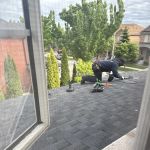 Roof Management Group5.0 (33 reviews)
 AM Group Exteriors - Muskoka4.0 (93 reviews)
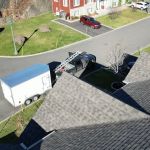 Toitures et Rénovations JO5.0 (29 reviews)
 Acores Roofing Ltd.4.0 (36 reviews)
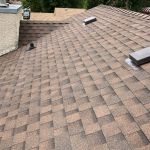 Denali Exteriors4.0 (41 reviews)
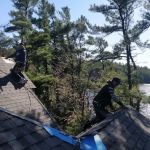 Ontario Royal Roofing Inc3.0 (10 reviews)
 How Much Does a New Roof Cost in 2025? Canadian Roofing Price Guide
 Top Signs Your Roof Has a Leak and What to Do About It in Canada
 Can You Install a New Roof Over an Old One in Canada?
 The Top Questions to Ask Before Hiring a Roofer in Canada
 What Are the Most Common Roofing Scams and How to Avoid Them in Canada
 How to Prepare Your Home for a Roofing Project in Canada