
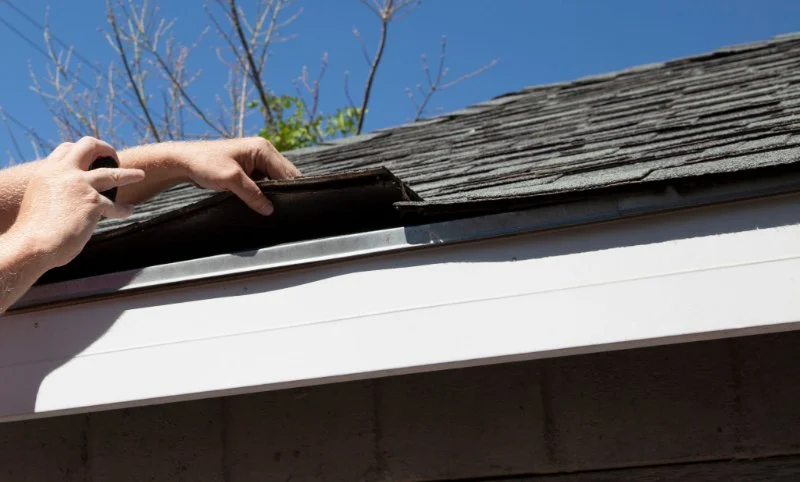
DIY Roof Inspection: What You Can Safely Do Yourself
- 1. Why Roof Inspections Are Important
- 2. Basic Tools You Need for a DIY Roof Inspection
- 3. Safe Practices for Inspecting Your Roof
- 4. Key Areas to Inspect During a Roof Check
- 5. Common Signs of Roof Damage
- 6. When to Call a Professional Roofer
1. Why Roof Inspections Are Important
Regular roof inspections are crucial for maintaining the integrity of your home. The roof is your home’s first line of defense against the elements, and its condition directly impacts the comfort and safety of your living space. By performing regular roof inspections, you can catch early signs of damage, prevent costly repairs, and extend the life of your roof. While professional roof inspections are recommended annually, a DIY inspection can help you stay on top of minor issues and keep your roof in good condition.
Roof Rescue Ontario Inc. / trudel & sons roofing ltd
Whitchurch-StouffvilleRegional Municipality of YorkOntario
164 Hawthorn Ave, Whitchurch-Stouffville, ON L4A 4Y8, Canada
2. Basic Tools You Need for a DIY Roof Inspection
Before starting your roof inspection, make sure you have the right tools. Here’s a list of the essential equipment for a DIY inspection:
- Ladder: A sturdy ladder is essential for reaching the roof safely. Make sure it’s tall enough and placed on a stable, level surface.
- Flashlight: A flashlight will help you inspect areas with poor lighting, such as attics or dark roof spaces.
- Binoculars: If you’re inspecting the roof from the ground, binoculars will allow you to see the roof more clearly and detect issues from a distance.
- Protective Gear: Wear non-slip shoes and gloves for safety. A hard hat is also a good idea to protect your head from falling debris.
3. Safe Practices for Inspecting Your Roof
Safety is a top priority when performing a DIY roof inspection. Here are some key safety practices to follow:
- Inspect on a dry, calm day: Choose a day when the weather is clear, with no rain or high winds. Wet or slippery roofs can be dangerous to walk on.
- Use a sturdy ladder: Always ensure your ladder is stable before climbing. If possible, have someone hold the ladder steady while you’re on it.
- Avoid walking on the roof: If possible, avoid walking on the roof, as this can cause further damage. Instead, inspect the roof from the ladder or use binoculars to view it from a distance.
4. Key Areas to Inspect During a Roof Check
When conducting a DIY roof inspection, focus on the following areas to assess the condition of your roof:
- Shingles: Look for missing, cracked, or curled shingles. These can lead to water infiltration and should be replaced as soon as possible.
- Flashing: Inspect the flashing around chimneys, skylights, and vents for signs of rust, cracking, or lifting. Damaged flashing can cause leaks.
- Gutters: Check the gutters for debris, clogs, or signs of water overflow. Poor drainage can damage your roof and foundation.
- Roof Valleys: These areas are prone to leaks because they collect water. Ensure that the valleys are clear of debris and in good condition.
5. Common Signs of Roof Damage
During your roof inspection, look for the following signs of damage that may require attention:
- Water stains or discoloration: Water stains inside your home, especially on ceilings or walls, are a clear sign of a roof leak.
- Granules in gutters: If you notice granules from your shingles in the gutters, it could indicate that your shingles are deteriorating.
- Moss or algae growth: Moss or algae growth on your roof can trap moisture, leading to roof decay. It’s essential to remove it as soon as possible.
- Cracked or damaged flashing: Flashing that is cracked, bent, or lifting away from the roof can lead to water infiltration.
6. When to Call a Professional Roofer
While DIY roof inspections are great for identifying minor issues, there are times when you should call a professional roofer:
- If you notice major damage: If your roof has extensive damage, such as large areas of missing shingles or leaks, it’s best to call a professional.
- If you’re unsure about the condition: A roofing professional has the experience and tools to assess the roof more thoroughly and safely.
- If you’re not comfortable working at heights: Roof work can be dangerous, and it’s always best to let professionals handle tasks that involve significant risks.
For expert roofing services and reliable roof maintenance products, visit Pickering Roofing to find the best solutions for your home’s roof care needs.
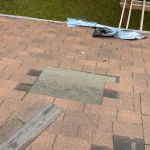 Les Constructions Yves Bouchard - Couvreur toit plat, Réparation de toiture, Installation de Toiture Verdun0.0 (0 reviews)
 Couvertures & Cheminées Lambert/Foyer Lambert4.0 (64 reviews)
 Edmonton Roofing Company5.0 (3 reviews)
 Norton Roofing Systems Ltd5.0 (6 reviews)
 Deluxe Roofing5.0 (4 reviews)
 J J Roofing Services Ltd.4.0 (116 reviews)
 How Much Does a New Roof Cost in 2025? Canadian Roofing Price Guide
 Top Signs Your Roof Has a Leak and What to Do About It in Canada
 Can You Install a New Roof Over an Old One in Canada?
 The Top Questions to Ask Before Hiring a Roofer in Canada
 What Are the Most Common Roofing Scams and How to Avoid Them in Canada
 How to Prepare Your Home for a Roofing Project in Canada