
- 1- Introduction to Roof Moss and Its Impact
- 2- Different Types of Roof Moss
- 3- Effective Roof Moss Treatment Methods
- 4- Safe Chemicals for Roof Moss Treatment
- 5- How to Prevent Roof Moss Growth in the Future
1- Introduction to Roof Moss and Its Impact
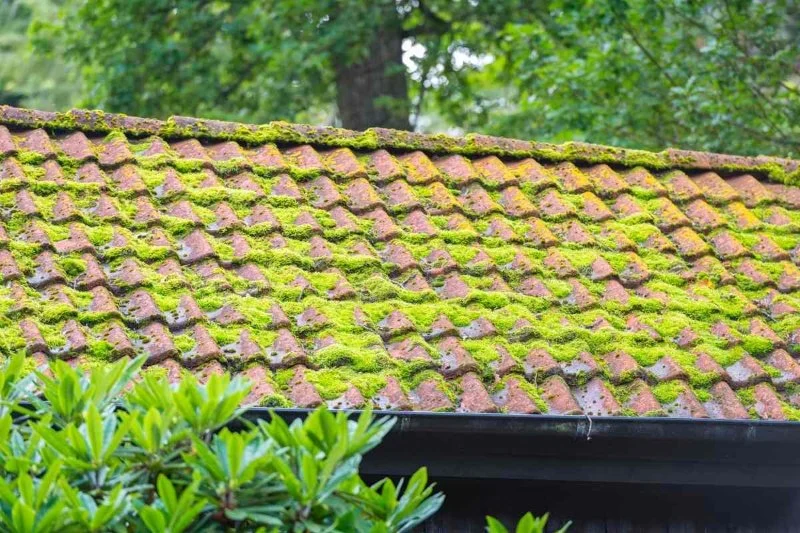
Roof moss is a common issue that homeowners in Canada face, especially in regions with high humidity and consistent rainfall. Over time, moss can grow on roofs, leading to various problems. Moss thrives in moist environments, and once it starts to grow on your roof, it can cause long-term damage if left untreated. This article will guide you through the best methods to treat roof moss safely, focusing on both natural and chemical treatments.
Toitures Bernier et Fils / toitures bernier
QuébecCapitale-NationaleQuébec
1095 Chem. de la Canardière #4, Québec, QC G1J 2C2, Canada
1.1 Why Roof Moss is a Problem
Roof moss is more than just an eyesore; it can lead to significant roof damage. The moss retains moisture, which can seep into roofing materials, leading to rot, leaks, and the breakdown of protective layers. Additionally, the moss can lift shingles, making your roof more susceptible to damage from wind and debris. Understanding how to deal with moss is essential for maintaining the integrity of your roof.
2- Different Types of Roof Moss
Before diving into treatment methods, it's important to understand the different types of moss that might be affecting your roof. While there are several varieties, the most common types of roof moss include:
2.1 Leafy Moss
Leafy moss is the most common type found on roofs. It has a dense, green appearance and thrives in shaded, damp environments. This type of moss can quickly spread and is often the cause of most roof damage.
2.2 Cushion Moss
Cushion moss has a more compact, cushion-like structure and can be found on roofs that experience frequent rainfall or snow. This type of moss is often thicker and can cause more damage if not addressed promptly.
2.3 Haircap Moss
Haircap moss is less common but can still grow on roofs. It has long, thin stalks and is typically found in cooler climates. This moss grows in clusters and can damage shingles over time.
3- Effective Roof Moss Treatment Methods
Treating roof moss requires a strategic approach, and the treatment method you choose will depend on the severity of the moss growth and the materials of your roof. Here are some effective methods to treat roof moss:
3.1 Manual Removal
Manual removal is one of the most effective ways to get rid of moss, especially when the growth is not extensive. Using a soft brush or broom, gently sweep the moss off the roof. Be sure not to damage the shingles or roofing material while doing so. This method works well for roofs with light moss growth.
3.2 Pressure Washing
Pressure washing can be an effective method to remove moss, but it should be used cautiously. The high pressure can damage shingles if not applied carefully. It's essential to use a low-pressure setting and avoid spraying directly at the roof’s edges, as this could cause leaks. Pressure washing works best when the moss is loose or flaky.
3.3 Chemical Moss Removal
If moss has deeply embedded into the roof, a chemical treatment may be necessary. This involves applying a moss-killing solution to the affected area. However, it's important to use chemicals that won’t harm your roof’s integrity. Let’s look at safe and effective chemical treatments next.
4- Safe Chemicals for Roof Moss Treatment
There are several chemical products available for moss treatment, but it’s crucial to choose ones that are safe for your roof and the environment. Here are some safe chemical options:
4.1 Zinc Sulfate
Zinc sulfate is a commonly used moss control chemical. It works by suffocating the moss and preventing it from growing back. Zinc sulfate is safe for most roof types and is effective in killing moss without causing damage to shingles. It also has minimal impact on surrounding vegetation.
4.2 Copper Sulfate
Copper sulfate is another effective moss-killing solution. It’s often used in roofing treatments because it is powerful yet safe when applied correctly. Copper sulfate works by disrupting the photosynthesis process in moss, causing it to die. However, it should be used in moderation, as it can harm plants if over-applied.
4.3 Potassium Salts of Fatty Acids
Potassium salts of fatty acids are a more natural option for moss treatment. They work by breaking down the cell walls of moss, effectively killing it. This solution is non-toxic and biodegradable, making it safe for both the environment and your roof. It's a good option if you're looking for a more eco-friendly treatment.
5- How to Prevent Roof Moss Growth in the Future
Preventing roof moss growth is as important as treating it. Taking the right steps now can help avoid costly repairs and prolonged moss growth. Here are some preventive measures you can implement:
5.1 Improve Roof Ventilation
Proper roof ventilation is essential in reducing moss growth. By improving airflow in your attic and roof, you reduce the amount of moisture that accumulates on your roof. This can significantly deter moss from growing in the first place.
5.2 Install Zinc or Copper Strips
Installing zinc or copper strips along the roof ridge is an effective preventive measure. As rainwater washes over these metal strips, it helps to inhibit moss growth. This method can be especially effective in areas with heavy rainfall and humidity.
5.3 Trim Overhanging Trees
Limiting shade on your roof can help reduce the moisture levels that encourage moss growth. By trimming overhanging branches, you can allow more sunlight to reach the roof, which will dry out any remaining moisture and discourage moss from taking root.
 Alba Roofing4.0 (11 reviews)
 Capital Master Roofing5.0 (21 reviews)
 Taminka Metal Roofing5.0 (569 reviews)
 CentiMark Ltd.0.0 (0 reviews)
 Pro Roofing Services4.0 (168 reviews)
 AlphaNova Roofing Inc.5.0 (143 reviews)
 How Much Does a New Roof Cost in 2025? Canadian Roofing Price Guide
 Top Signs Your Roof Has a Leak and What to Do About It in Canada
 Can You Install a New Roof Over an Old One in Canada?
 The Top Questions to Ask Before Hiring a Roofer in Canada
 What Are the Most Common Roofing Scams and How to Avoid Them in Canada
 How to Prepare Your Home for a Roofing Project in Canada