
- assess-the-damage-after-a-storm - Assessing Roof Damage After a Storm
- temporary-solutions-to-prevent-further-damage - Temporary Measures to Stop Further Roof Damage
- when-to-call-professionals-for-emergency-roof-repair - Knowing When to Call Professionals
- choosing-the-right-roof-repair-service-in-canada - Choosing the Right Roof Repair Service in Canada
- what-to-expect-during-an-emergency-roof-repair - What Happens During an Emergency Roof Repair?
- preventive-tips-to-avoid-future-emergencies - Preventive Tips to Avoid Future Emergencies
1. Assessing Roof Damage After a Storm
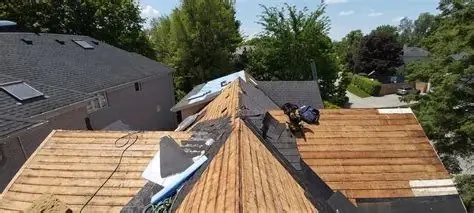
Storms in Canada, especially during harsh winters or the turbulent spring season, can cause significant damage to roofing structures. Whether it’s heavy snow, strong winds, or hail, the first step after the weather calms is a careful visual inspection from a safe vantage point. Look for missing shingles, exposed underlayment, dented metal panels, or signs of water intrusion inside the attic or ceilings.
It's important not to climb on the roof unless you’re trained and equipped—leave that to the pros. One real-life case in Pickering, Ontario, saw a homeowner delay inspection after an ice storm, resulting in attic mold within a week due to an undetected puncture. Don’t wait—early identification is key to minimizing damage.
D'Angelo and Sons | Eavestrough Repair & Roofing Burlington / eavestrough burlington ontario
BurlingtonRegional Municipality of HaltonOntario
460 Brant St unit #300, Burlington, ON L7R 4B6, Canada
2. Temporary Measures to Stop Further Roof Damage
Once damage is identified, immediate temporary fixes are crucial. Use waterproof tarps to cover leaks, and secure loose roofing materials with heavy-duty nails or bricks if possible. Inside the home, buckets and plastic sheets can protect interiors from water dripping through ceiling breaches.
For Canadian homeowners, particularly in areas prone to sudden weather changes, having an emergency repair kit with tarps, sealants, and tools can be invaluable. However, keep in mind these are short-term measures. They don’t replace the need for professional intervention. In places like Toronto and Vancouver, where storm aftermaths are increasingly common, this step often buys you just enough time to schedule a professional repair.

3. Knowing When to Call Professionals
DIY approaches are only safe for minor, non-structural damage. If you notice sagging areas, extensive shingle loss, or persistent leaks, it’s time to call in professionals for emergency roof repairs. Roofing systems are complex, and improper handling can worsen the damage or void your warranty.
Take for example a household in Scarborough, where the homeowner attempted a temporary patch with caulking after a severe windstorm. The leak persisted and caused ceiling collapse two days later. Don’t let a small issue escalate—especially with unpredictable Canadian weather. For quick and professional help, visit Pickering Roofing where you’ll find certified experts ready to assist in emergency situations.
4. Choosing the Right Roof Repair Service in Canada
Not all roofing companies are equipped for emergency response. Look for local contractors who offer 24/7 emergency services and have proven experience with storm-related roof repairs. Certifications, online reviews, and response time are critical indicators of reliability.
At Pickering Roofing, for instance, we pride ourselves on rapid response and in-depth storm damage assessments. Our licensed professionals use high-quality materials that meet Canadian building codes and offer long-term warranties. Whether you're in Mississauga, Ottawa, or right here in Pickering, getting expert help promptly ensures safety and saves money in the long run.
5. What Happens During an Emergency Roof Repair?
Emergency repairs typically begin with a quick but thorough inspection, followed by the removal of hazardous debris. Depending on the damage, professionals may apply temporary sealing solutions or conduct permanent fixes immediately. Safety measures like scaffolding and harnessing are always used.
In most Canadian cities, roofers also check insulation and attic ventilation during these repairs, as these elements are often affected during a storm. Be prepared for some noise, potential indoor access, and a short disruption to your daily routine. Professional teams will explain each step and provide updates throughout the process. Choosing trusted names like Pickering Roofing ensures transparency and quality work during these stressful situations.
6. Preventive Tips to Avoid Future Emergencies
Preventive maintenance is essential for homeowners across Canada to minimize emergency roof repair needs. Schedule annual inspections, especially before winter. Trim overhanging tree limbs, clean gutters regularly, and ensure proper attic insulation to avoid ice dams.
Installing storm-resistant shingles or metal roofing, especially in high-risk regions like the Atlantic provinces or Alberta, can greatly reduce storm damage. After a repair, always ask for a maintenance plan. At Pickering Roofing, we offer seasonal check-ups and roofing health reports that help you plan and prevent issues before they arise.
Ultimately, a little preparation and the right partner can save you from major headaches when the next storm hits.
 B O C Déneigement de Toitures0.0 (0 reviews)
 Canada Roofing Company5.0 (2 reviews)
 Swift Roofing Contractor0.0 (0 reviews)
 Peterborough Roofing0.0 (0 reviews)
 Trust Ying Roofing & Renovation Inc.5.0 (4 reviews)
 Quality Roofing Services | Toronto Roofing company4.0 (68 reviews)
 How Much Does a New Roof Cost in 2025? Canadian Roofing Price Guide
 Top Signs Your Roof Has a Leak and What to Do About It in Canada
 Can You Install a New Roof Over an Old One in Canada?
 The Top Questions to Ask Before Hiring a Roofer in Canada
 What Are the Most Common Roofing Scams and How to Avoid Them in Canada
 How to Prepare Your Home for a Roofing Project in Canada