
- 1-assessing-storm-damage-immediately-and-safely
- 2-identifying-the-most-common-types-of-storm-damage
- 3-temporary-fixes-you-can-do-before-help-arrives
- 4-why-speed-matters-in-emergency-roof-repairs
- 5-case-study-a-winter-storm-in-ontario
- 6-hiring-a-local-roofing-company-you-can-trust
- 7-preparing-your-roof-before-the-next-storm
1. Assessing Storm Damage Immediately and Safely
After a powerful storm—be it heavy winds, snow, hail, or rain—your first instinct may be to climb up and check your roof. Don’t. Safety should be your top priority. Instead, assess damage from the ground. Use binoculars if needed. Look for missing shingles, visible holes, scattered debris, or water leaking into your attic or ceilings.
If you hear dripping or see moisture stains inside your home, it's already a sign that urgent attention is needed. In such cases, documenting the damage with photos and notes helps with insurance claims and aids contractors in planning repairs.
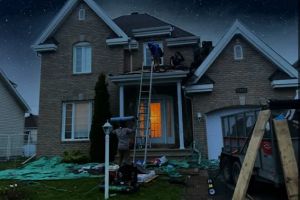
Toiture TNT / Gatineau Outaouais / avis sur toiture tnt / gatineau outaouais
1700 Rue Schryer, Gatineau, QC J8R 1S2, Canada
2. Identifying the Most Common Types of Storm Damage
Storms can inflict a surprising variety of damage, especially across Canadian provinces like Ontario and British Columbia. Here are some of the most common issues homeowners encounter:
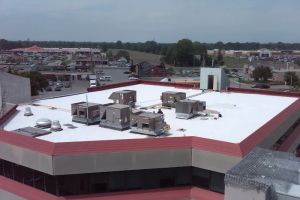
Horizon Roofing Ltd / horizon roofing
3735 Cabana Road E, Windsor, ON N8V 0A5, Canada
2.1 Missing or Torn Shingles
Strong winds can tear shingles right off. This leaves your underlayment exposed and prone to water infiltration. Older roofs are especially vulnerable to this.
2.2 Ice Dams and Water Backups
In colder climates, warm air escaping through the attic melts snow on the roof. The water refreezes near the eaves, forming ice dams that push water back under shingles. This results in interior leaks.
2.3 Debris and Tree Limb Impact
Falling branches can puncture roofs or damage flashing, gutters, and vents. Even if the surface appears fine, structural weaknesses may be forming beneath.
3. Temporary Fixes You Can Do Before Help Arrives
Sometimes, especially after a widespread storm, you may have to wait before a roofing crew arrives. Here are safe, short-term steps you can take:
Tarping: If it's safe to do so, covering a damaged area with a waterproof tarp can prevent additional water entry. Use bricks or sandbags to secure it—avoid using nails, which can cause further damage.
Bucket Catch: Place buckets under active drips indoors to prevent interior water damage. Towels and fans can also reduce moisture buildup.
Seal Small Leaks: For minor breaches, roofing tape or temporary sealant can offer short-term solutions until professionals arrive.
4. Why Speed Matters in Emergency Roof Repairs
When a roof is compromised, every passing hour can worsen the situation. In Canada’s varied climates, especially during spring thaws or coastal storms, water can spread quickly beneath your roofing materials, damaging insulation, drywall, and electrical systems.
Mold also begins to grow within 24-48 hours in moist conditions. This can drive up repair costs significantly. Acting fast helps contain the damage, simplifies insurance processes, and reduces long-term expenses.
5. Case Study: A Winter Storm in Ontario
During the early 2024 winter storm in Pickering, Ontario, dozens of homeowners experienced roof leaks due to ice damming. One family on Hillcrest Road discovered water pouring through a recessed lighting fixture. The culprit? A backed-up ice dam and poorly insulated attic.
They called Pickering Roofing, who responded within 24 hours. The team quickly removed the ice dam, repaired the flashing, and added insulation. Because they acted fast, the homeowners avoided major drywall and electrical repairs.
6. Hiring a Local Roofing Company You Can Trust
When facing a roofing emergency, don’t go with the first name you find online. Instead, choose a licensed, insured, and locally respected roofing contractor. A team like Pickering Roofing knows how to handle snow loads, wind patterns, and material durability in the Canadian environment. Their familiarity with local building codes and climate risks is crucial to delivering reliable emergency repairs.
7. Preparing Your Roof Before the Next Storm
Emergency repairs are critical—but prevention is better. Schedule seasonal inspections in spring and fall. Keep gutters clean. Trim back overhanging tree branches. Ensure attic insulation is sufficient to prevent ice dams.
Also, ask your contractor about installing impact-resistant shingles or storm-rated underlayment. These small upgrades can save thousands in potential damage. When it comes to Canadian weather, preparation isn’t just wise—it’s necessary.


 Peterborough Roofing0.0 (0 reviews)
 Trust Ying Roofing & Renovation Inc.5.0 (4 reviews)
 Toitures Multi4.0 (8 reviews)
 D.C United Roofing4.0 (149 reviews)
 Chisholm Roofing1.0 (2 reviews)
 Groupe M2DC4.0 (84 reviews)
 How Much Does a New Roof Cost in 2025? Canadian Roofing Price Guide
 Top Signs Your Roof Has a Leak and What to Do About It in Canada
 Can You Install a New Roof Over an Old One in Canada?
 The Top Questions to Ask Before Hiring a Roofer in Canada
 What Are the Most Common Roofing Scams and How to Avoid Them in Canada
 How to Prepare Your Home for a Roofing Project in Canada