
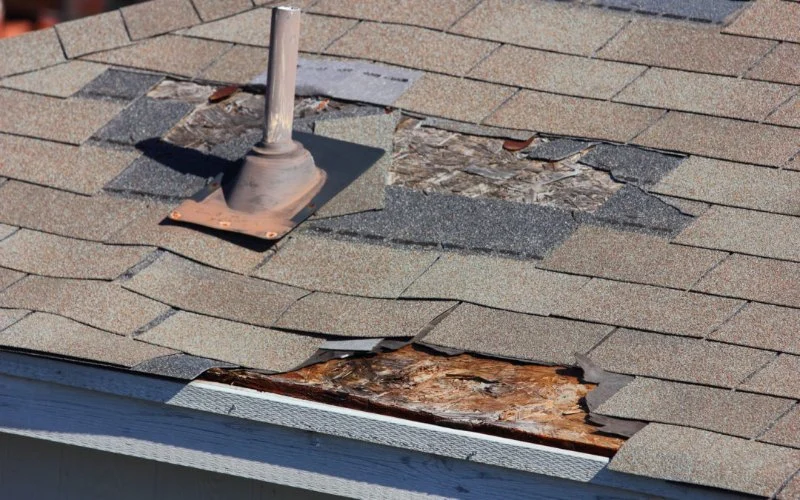
Emergency Roof Repairs: What to Do After a Storm
- 1. Immediate Actions to Take After a Storm
- 2. Assessing the Damage to Your Roof
- 3. How to Secure Your Home After Roof Damage
- 4. Finding a Roof Repair Expert
- 5. Why Choose Pickering Roofing for Emergency Repairs
After a storm, one of the most important things you need to address is the safety and stability of your roof. Roof damage can lead to leaks, structural damage, and even jeopardize the safety of your family. In this article, we’ll guide you through the necessary steps to take after a storm, how to assess roof damage, and how to get emergency roof repairs in your area.
Flynn Canada Ltd. - Ottawa / flynn ottawa
1655 Comstock Rd, Gloucester, ON K1B 5L2, Canada
1. Immediate Actions to Take After a Storm
The first few hours after a storm can be stressful, especially if you suspect your roof has been damaged. Taking immediate action can minimize the damage and prevent further complications. Here’s what you should do:
Lansard Bros Roofing Ltd / lansard roofing
50 Don Valley Pkwy, Sunnyside, MB R5R 0C9, Canada
1.1 Stay Safe and Avoid Further Hazards
First and foremost, prioritize safety. If you suspect there’s significant roof damage, don’t attempt to go onto the roof yourself, especially if there are risks of falling debris or exposed electrical wires. Stay indoors and avoid using electrical appliances if water has entered the home.
1.2 Inspect for Visible Damage
Once you’re sure it’s safe, inspect the exterior of your roof from the ground. Look for missing shingles, dents, or visible holes. Pay attention to gutters, downspouts, and roof edges that might have been damaged during the storm. Avoid climbing ladders or walking on the roof unless you’re certain it’s safe.
1.3 Document the Damage
Take clear photos of the damage to your roof and surrounding areas for insurance purposes. This documentation will be helpful when you file an insurance claim or when seeking roof repair estimates from contractors.
2. Assessing the Damage to Your Roof
After the initial inspection, a more thorough assessment of the roof damage is necessary to understand the extent of the issues. Here's how you can do that:
2.1 Check for Leaks and Water Damage
If there’s water inside your home after the storm, check your attic and ceilings for signs of leaks. Water stains, wet insulation, or dampness can indicate that your roof has been compromised. Look for signs of pooling water or dripping in areas near the roof.
2.2 Check for Structural Damage
While you may notice missing shingles or torn underlayment, you should also look for more serious structural damage. Look for sagging areas, large cracks, or evidence of a compromised roof deck. These types of damage require immediate attention from a professional roofing contractor to prevent further complications.
2.3 Inspect Gutters and Downspouts
Storms can knock gutters out of alignment or cause them to become clogged with debris. Damaged gutters can lead to water backup, which can further damage your roof and foundation. Make sure your gutters are securely fastened and clear of debris to ensure proper drainage.
3. How to Secure Your Home After Roof Damage
After assessing the damage, securing your home is a top priority. Here are steps to help minimize further damage until professional help arrives:
3.1 Cover Openings with a Tarp
If there are large holes or missing shingles on your roof, use a tarp to cover the affected areas. This temporary measure will protect your home from additional water damage until a professional roof repair team can fix the issue. Make sure the tarp is secured tightly to prevent it from being blown away by the wind.
3.2 Remove Water and Damp Materials
If water has entered your home, immediately remove wet furniture, carpets, or other materials that could absorb moisture. Use buckets, towels, or a wet vacuum to remove standing water and prevent mold growth.
3.3 Turn Off Electrical Systems
If you notice any electrical issues due to roof leaks, turn off the power to affected areas. Avoid using electrical outlets or appliances near the leak until the area is inspected by a licensed electrician.
4. Finding a Roof Repair Expert
Finding a reliable roofing contractor is crucial after a storm. You want someone who can quickly assess the damage and make temporary repairs while planning for a permanent solution. Here are some tips for finding the right roof repair expert:
4.1 Check for Licensing and Insurance
Make sure the roofing contractor you hire is licensed and insured. This ensures that they meet local building codes and can be held accountable for any issues that arise during the repair process.
4.2 Get Multiple Estimates
It’s a good idea to get estimates from at least two or three roofing companies. This will give you an idea of the cost and scope of the repair and allow you to make an informed decision about which contractor to choose.
4.3 Look for Storm Damage Specialists
Some roofing companies specialize in emergency storm repairs. These specialists are more likely to have the necessary experience and tools to handle storm-related damage quickly and effectively.
5. Why Choose Pickering Roofing for Emergency Repairs
If you’re dealing with roof damage after a storm, trust the experts at Pickering Roofing to provide fast and reliable service. We specialize in emergency roof repairs and offer affordable solutions for storm damage. Our team is ready to assess the damage and take immediate steps to protect your home from further harm. Contact us today for a free estimate and let us help restore your roof to its best condition.
 Innove Toit — Couvreur Toiture Bardeaux & Membranes | Urgence Toiture Québec & Lévis5.0 (20 reviews)
 TT Sheltered roofing Toronto0.0 (0 reviews)
 Roof Pro Plus Home Improvements4.0 (26 reviews)
 Chouinard Bros3.0 (87 reviews)
 Capital Roofing0.0 (0 reviews)
 All City Roofing & Construction inc5.0 (1 reviews)
 How Much Does a New Roof Cost in 2025? Canadian Roofing Price Guide
 Top Signs Your Roof Has a Leak and What to Do About It in Canada
 Can You Install a New Roof Over an Old One in Canada?
 The Top Questions to Ask Before Hiring a Roofer in Canada
 What Are the Most Common Roofing Scams and How to Avoid Them in Canada
 How to Prepare Your Home for a Roofing Project in Canada