
- - 1. Understanding Roof Damage After a Storm
- - 2. Why Roof Tarping is Essential for Storm Damage
- - 3. Steps to Properly Tarp Your Roof in an Emergency
- - 4. Temporary vs. Permanent Roof Repairs
- - 5. When to Contact a Roofing Professional for Assistance
1. Understanding Roof Damage After a Storm
Storms can cause severe damage to roofs, including tearing off shingles, creating leaks, or even compromising the structural integrity of the roof. Understanding the potential damage to your roof is the first step in mitigating further issues. Whether caused by wind, hail, or heavy rain, the aftermath of a storm can leave your roof vulnerable to water damage, which can spread quickly to your attic, ceilings, and walls.
XACT Roof & Renovation Ltd. / xact roofing
227 Regent Ave W, Winnipeg, MB R2C 1R3, Canada
1.1 Types of Storm Damage
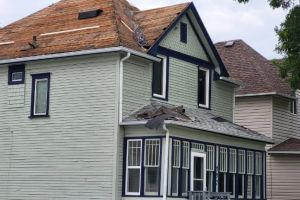
Storm damage can range from minor to catastrophic. Wind can lift shingles, allowing water to seep into the roof structure. Hail can cause punctures or cracks in the shingles. Heavy rain can cause leaks in damaged areas, and snow buildup can result in weight stress or ice dams. Recognizing these issues early will help in determining the need for roof tarping.
Horizon Roofing Ltd / horizon roofing
3735 Cabana Road E, Windsor, ON N8V 0A5, Canada
1.2 Importance of Immediate Action
Quick action after storm damage is critical to prevent further water damage to your home. The longer the exposure to rainwater or snowmelt, the more likely it is for your home to suffer from interior water damage. Roof tarping serves as a temporary but crucial measure to protect your home until permanent repairs can be made.
2. Why Roof Tarping is Essential for Storm Damage
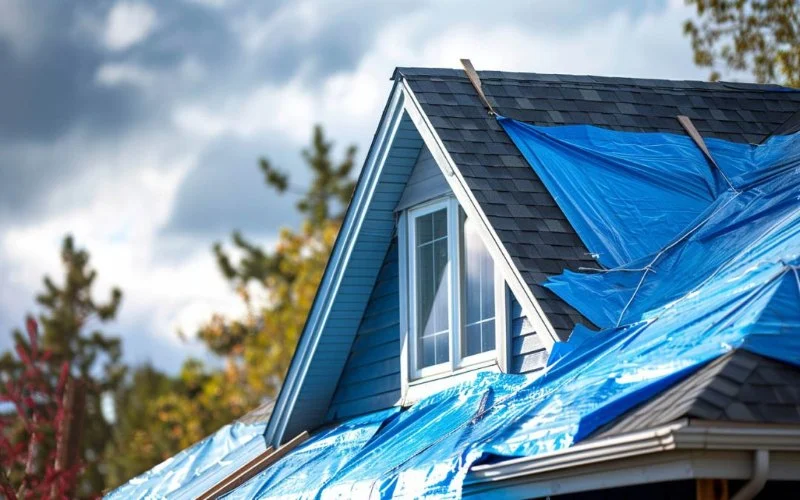
Roof tarping is an essential emergency measure that helps protect your home after storm damage. It acts as a temporary waterproof barrier to keep rainwater and other elements from seeping into your home. By covering the damaged areas, a tarp helps prevent further deterioration of the roof and interior, buying you time before professional repairs can be made.
2.1 Preventing Water Damage
The primary function of a roof tarp is to prevent water from entering your home. When shingles or sections of your roof are damaged or missing, a tarp provides an immediate barrier to rain or snow, reducing the likelihood of leaks or water entering the interior of your home.
2.2 Reducing Additional Repair Costs
By protecting your home from further water damage, a tarp helps prevent additional issues such as mold, mildew, and rot, which can significantly increase repair costs. By mitigating the damage temporarily, you give yourself time to assess the situation and hire a professional roofing contractor for permanent repairs.
3. Steps to Properly Tarp Your Roof in an Emergency
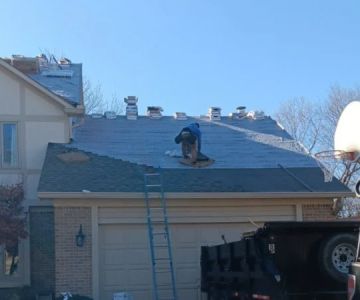
If your roof has suffered damage during a storm, it’s crucial to tarp it as soon as possible to minimize further damage. Follow these steps to ensure proper roof tarping:
3.1 Safety First
Before attempting to tarp your roof, ensure your safety. Do not climb onto the roof during a storm or if it’s too slippery. Wait until the weather has cleared, and always use a stable ladder to access the roof. Wear safety gear such as non-slip shoes and gloves to avoid accidents.
3.2 Assess the Damage
Once safe to do so, inspect the roof for the areas that need coverage. Look for missing or broken shingles, exposed areas, or any holes that may allow water to enter. Mark the damaged areas, so you can focus your efforts on those specific spots.
3.3 Get the Right Materials
Ensure you have the right materials for tarping. You’ll need a heavy-duty plastic or canvas tarp, roofing nails or staples, and a hammer. The tarp should be large enough to cover the damaged area and extend several inches beyond it to ensure full coverage.
3.4 Secure the Tarp
Once the tarp is in place, secure it tightly using roofing nails or staples. Make sure the tarp is stretched tightly across the damaged area and that no edges are loose. The goal is to create a watertight seal to prevent any rain or snow from seeping through.
3.5 Inspect and Monitor
After securing the tarp, periodically check for any loose edges or gaps. Strong winds or continued rain may loosen the tarp, so it’s important to inspect it regularly until professional repairs can be made.
4. Temporary vs. Permanent Roof Repairs
Roof tarping is only a temporary solution to protect your home. While it can prevent further damage, it’s essential to call in a professional roofing contractor for permanent repairs. Temporary fixes are not a substitute for a full roof inspection and necessary repairs. Ensure that the tarp is removed once the roof has been properly repaired.
4.1 The Importance of Professional Repair
Roofing professionals can assess the extent of the damage and provide lasting solutions, whether it’s replacing damaged shingles, repairing leaks, or addressing structural issues. Professional repairs ensure that your home is fully protected from future storm damage.
5. When to Contact a Roofing Professional for Assistance
If you’re unsure about the extent of the damage or how to properly tarp your roof, it’s best to contact a roofing professional. They can not only provide immediate assistance but also conduct a full inspection to determine if further repairs are needed. Additionally, a professional roofing contractor can help with insurance claims and guide you through the repair process.
In conclusion, emergency roof tarping is a vital step in protecting your home after a storm. It can prevent water damage, reduce the risk of further repair costs, and provide immediate relief until professional repairs can be made. If you’re in need of roofing services or products, visit Pickering Roofing to get the best solutions for your roofing needs.
 Rycon Roofing5.0 (1 reviews)
 ANJCO ROOFING LTD4.0 (11 reviews)
 Toitpro5.0 (22 reviews)
 Metalavie Ottawa - Steel Roofing5.0 (1 reviews)
 Kelly & Sons4.0 (16 reviews)
 Wolfenburg Entreprise de toiture plate résidentielle / commerciale5.0 (2 reviews)
 How Much Does a New Roof Cost in 2025? Canadian Roofing Price Guide
 Top Signs Your Roof Has a Leak and What to Do About It in Canada
 Can You Install a New Roof Over an Old One in Canada?
 The Top Questions to Ask Before Hiring a Roofer in Canada
 What Are the Most Common Roofing Scams and How to Avoid Them in Canada
 How to Prepare Your Home for a Roofing Project in Canada