
- 1. What Is Roof Underlayment?
- 2. Types of Roof Underlayment
- 3. The Benefits of Using Roof Underlayment
- 4. How to Choose the Best Roof Underlayment
- 5. Common Mistakes to Avoid When Installing Underlayment
1. What Is Roof Underlayment?
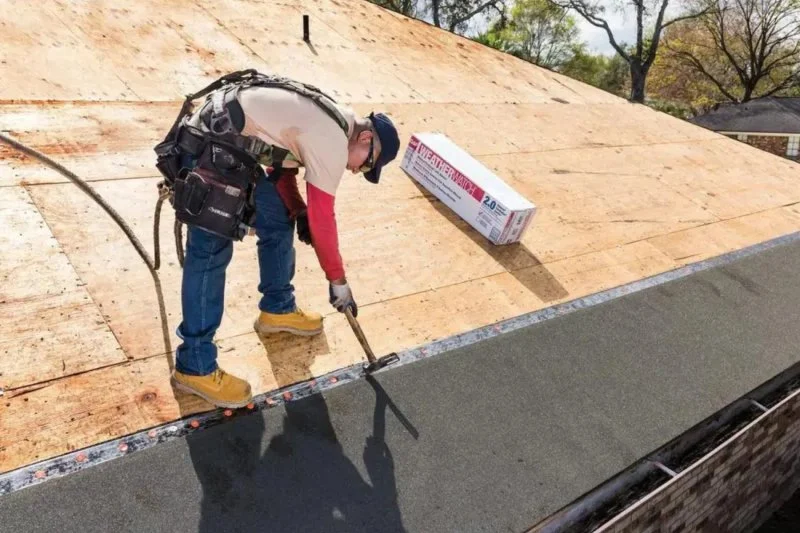
Roof underlayment is a critical component of your roofing system, providing an extra layer of protection beneath your roofing material. It is installed directly on the roof deck, beneath the shingles or other roofing materials, to prevent water, snow, and ice from seeping into your home. Think of it as an added shield, ensuring your roof remains watertight, even when the outer layer experiences wear and tear. This layer is an essential step in maintaining a durable and long-lasting roof.

2. Types of Roof Underlayment
There are several types of roof underlayment materials, each with its own advantages and uses. The three main types include:
- Felt Underlayment: Traditional asphalt-saturated felt is the most common underlayment, offering affordability and effective protection against water. It's available in 15- or 30-pound rolls.
- Synthetic Underlayment: Made from plastic polymers, synthetic underlayment is lighter, stronger, and more durable than traditional felt. It’s ideal for high-performance roofs where added strength is needed.
- Rubberized Asphalt Underlayment: This type offers superior waterproofing, making it ideal for areas with extreme weather conditions. It adheres to the roof deck, providing a secure seal to prevent water infiltration.
3. The Benefits of Using Roof Underlayment
Roof underlayment offers multiple benefits that enhance the protection and lifespan of your roof:
- Water Resistance: It helps keep your home dry by preventing water from seeping through cracks in your roof.
- Increased Durability: Underlayment protects the roof deck from weather conditions, prolonging the lifespan of your roofing materials.
- Energy Efficiency: Certain underlayment materials, especially reflective ones, help improve your home's energy efficiency by reflecting heat away from your home.
- Enhanced Fire Resistance: Some underlayment materials offer added fire protection, reducing the risk of roof fires caused by flying embers.
4. How to Choose the Best Roof Underlayment
Choosing the right underlayment for your roof depends on various factors, including the climate in your region, the type of roofing material, and your budget. Here are a few tips to help you make an informed decision:
- Climate Considerations: In areas prone to heavy rain, snow, or ice, opt for synthetic or rubberized asphalt underlayment, which offers superior waterproofing properties.
- Roofing Material: Choose an underlayment compatible with your roof type. For example, slate roofs benefit from synthetic underlayment, while asphalt shingles work well with felt underlayment.
- Budget: Felt underlayment is cost-effective but may not provide the long-term benefits that synthetic or rubberized asphalt underlayment offers, especially in harsh weather conditions.
5. Common Mistakes to Avoid When Installing Underlayment
Installing roof underlayment is a vital step, but it’s easy to make mistakes if you're not careful. Here are some common mistakes to avoid:
- Skipping Underlayment Installation: Skipping the underlayment entirely or not installing it properly can lead to leaks and water damage in the long run.
- Incorrect Installation Direction: Always install underlayment in the right direction, as per the manufacturer's instructions, to ensure water flows off the roof correctly.
- Not Overlapping the Edges: Make sure to overlap the seams of the underlayment by at least 4 to 6 inches to prevent water from seeping through gaps.

 Advanced Level Homes - Roofing & Exteriors5.0 (138 reviews)
 Canadian Rooftops5.0 (5 reviews)
 5 Star Roofing4.0 (45 reviews)
 Barnabé Multi-Travaux Inc.5.0 (1 reviews)
 Canadian Metal Roof Manufacturing Ltd4.0 (37 reviews)
 Lincoln Exterior Renovations4.0 (165 reviews)
 How Much Does a New Roof Cost in 2025? Canadian Roofing Price Guide
 Top Signs Your Roof Has a Leak and What to Do About It in Canada
 Can You Install a New Roof Over an Old One in Canada?
 The Top Questions to Ask Before Hiring a Roofer in Canada
 What Are the Most Common Roofing Scams and How to Avoid Them in Canada
 How to Prepare Your Home for a Roofing Project in Canada