
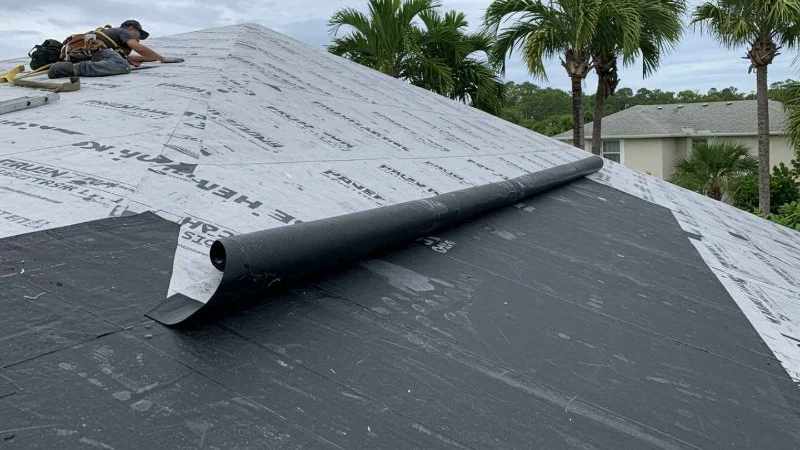
Everything You Should Know About Roof Underlayment
- 1. What is Roof Underlayment?
- 2. Types of Roof Underlayment
- 3. Why Roof Underlayment is Important
- 4. Choosing the Right Roof Underlayment
- 5. Common Issues with Roof Underlayment
1. What is Roof Underlayment?
Roof underlayment is a critical component of your roofing system that sits between the roof deck and the roofing material (like shingles or tiles). It serves as a protective barrier, providing an additional layer of defense against water, moisture, and extreme temperatures. Essentially, it acts as a backup to your primary roofing material, ensuring that your home remains safe and dry, even if your shingles or tiles become damaged or worn over time.
Underlayment materials come in various types and qualities, each providing a different level of protection depending on your location, climate, and the type of roof you have. A well-installed roof underlayment can significantly increase the lifespan of your roof, as well as improve its overall energy efficiency.

Toiture TNT / Gatineau Outaouais / avis sur toiture tnt / gatineau outaouais
1700 Rue Schryer, Gatineau, QC J8R 1S2, Canada
2. Types of Roof Underlayment
There are several types of roof underlayment, each offering different benefits based on the materials used and the needs of your roof. The most common types are:

Asphalt-Saturated Felt
This is the most traditional type of underlayment. It’s made of a felt material that is soaked in asphalt to make it waterproof. It’s a reliable, affordable option but is not as durable as some other materials. Asphalt-saturated felt comes in two thicknesses: 15-pound and 30-pound, with the latter providing better protection.
Synthetic Underlayment
Synthetic underlayment is a newer and more durable option compared to asphalt-saturated felt. Made from polypropylene or polyester, it offers superior protection against water infiltration, is lighter, and often more resistant to tearing. Synthetic underlayment is also more UV-resistant and can withstand the elements better than felt-based options.
Rubberized Asphalt
This type of underlayment has a rubberized asphalt layer that provides excellent waterproofing and is ideal for areas with heavy rainfall or snow. It’s often used in areas that require extra protection, such as in valleys, eaves, and around chimneys or skylights.
3. Why Roof Underlayment is Important
Roof underlayment plays several crucial roles in the longevity and functionality of your roof:
Waterproofing and Moisture Protection
The primary function of roof underlayment is to act as a secondary waterproof barrier. If your roofing material (such as shingles) fails due to wind damage, aging, or improper installation, the underlayment can prevent water from penetrating the roof deck and entering your home.
Energy Efficiency
Some underlayment materials, like reflective synthetic underlayment, can help with energy efficiency. These materials reflect heat away from the roof, helping to maintain cooler indoor temperatures in summer, reducing your air conditioning costs.
Improved Durability
Roof underlayment adds an extra layer of protection against harsh weather, such as rain, snow, and hail. It can also help protect against the long-term effects of moisture, such as mold, mildew, and wood rot, which can deteriorate your roof structure.
4. Choosing the Right Roof Underlayment
Choosing the right roof underlayment for your home is essential to ensure you get the right level of protection for your roofing system. Here are a few things to consider when selecting the best underlayment for your roof:
Climate
Depending on your location, your roof underlayment needs may vary. If you live in an area that experiences heavy rainfall or snow, you’ll need an underlayment that provides maximum waterproofing, such as rubberized asphalt or synthetic underlayment. If you live in a warmer climate, reflective underlayment options that help with heat reflection can be beneficial.
Roofing Material
The type of roofing material you use also influences the choice of underlayment. For example, metal roofs often require a synthetic underlayment for better performance, while asphalt shingles may work well with asphalt-saturated felt.
Budget
While synthetic underlayment and rubberized asphalt provide superior protection, they come at a higher cost. If you’re on a budget, asphalt-saturated felt may be a more affordable option, though it may not last as long or offer the same level of protection.
5. Common Issues with Roof Underlayment
Despite being an essential part of your roof, roof underlayment can experience a few common issues over time. Here are some problems to watch out for:
Water Damage
If the underlayment becomes saturated with water, it can lose its ability to protect your home. Water can seep through cracks or gaps, causing leaks, mold, or structural damage to your roof. Proper installation and regular inspections can prevent this issue.
Improper Installation
Improper installation of underlayment, such as wrinkles, gaps, or seams that aren’t sealed correctly, can reduce its effectiveness. It’s important to hire an experienced roofing professional to ensure proper installation of your roof underlayment.
Wear and Tear
Over time, roof underlayment can wear down due to exposure to UV rays, moisture, and extreme temperatures. Regular maintenance, such as re-coating or replacing the underlayment, is necessary to keep your roof functioning at its best.

 Marlad Roofing & Siding Inc4.0 (30 reviews)
 Pro Guard Roofing Toronto5.0 (13 reviews)
 AZ Roofing3.0 (3 reviews)
 A & M Roofing3.0 (11 reviews)
 547 Renovations Roofing Specialists4.0 (89 reviews)
 Eileen Roofing Inc3.0 (37 reviews)
 How Much Does a New Roof Cost in 2025? Canadian Roofing Price Guide
 Top Signs Your Roof Has a Leak and What to Do About It in Canada
 Can You Install a New Roof Over an Old One in Canada?
 The Top Questions to Ask Before Hiring a Roofer in Canada
 What Are the Most Common Roofing Scams and How to Avoid Them in Canada
 How to Prepare Your Home for a Roofing Project in Canada