
- everything-you-should-know-about-roof-underlayment
- 1-why-roof-underlayment-is-more-important-than-you-think
- 2-types-of-roof-underlayment-and-how-they-perform-in-canadian-weather
- 3-key-features-to-look-for-when-choosing-roof-underlayment
- 4-common-misconceptions-about-underlayment
- 5-roof-underlayment-in-action-real-case-from-ontario
- 6-trust-professionals-to-get-it-right
Everything You Should Know About Roof Underlayment
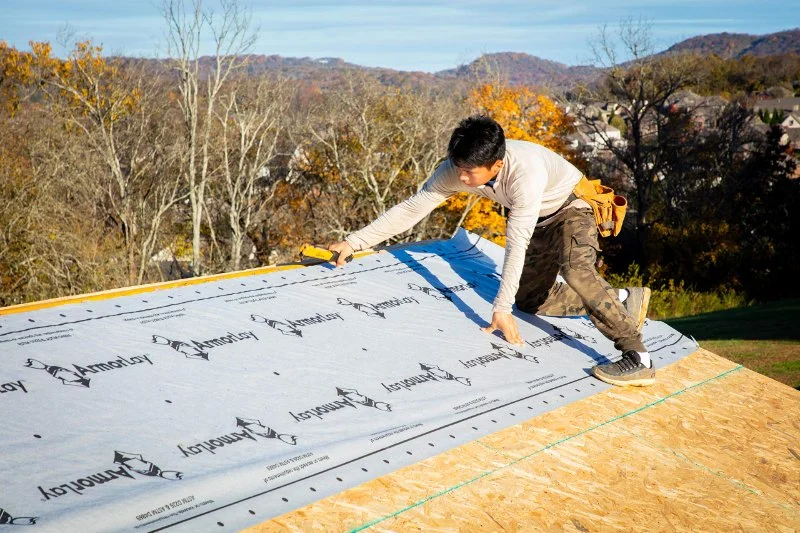
Most Canadian homeowners focus on shingles when talking about roofing, but what lies beneath them matters just as much. Roof underlayment acts as the unsung hero in your roofing system—shielding your home from moisture, wind, and extreme temperatures. In this article, we’ll explore everything you should know about roof underlayment, especially if you're dealing with snow loads, ice dams, or rain-heavy seasons. And if you’re unsure where to start, Pickering Roofing offers expert guidance and top-rated materials for any roofing project.
Toitures Garant et Frères Inc / toiture garant
LévisChaudière-AppalachesQuébec
6615 Rue Alfred-Pellan, Lévis, QC G6V 9S9, Canada
1. Why Roof Underlayment Is More Important Than You Think
1.1 The Role Beneath the Shingles
Underlayment is the water-resistant or waterproof barrier that’s installed directly onto your roof deck before the shingles go on. It acts as a second line of defense in case shingles blow off or fail, preventing water from seeping into the structure.

Edmonton Roofing Company / replace roof edmonton
8023 182 St NW, Edmonton, AB T5T 0T6, Canada
1.2 The Canadian Context
In Canadian climates, especially regions like Alberta and Ontario, the freeze-thaw cycles, ice dams, and heavy snow can put roofs through punishing stress. Underlayment provides that extra protection layer your shingles simply can’t match alone.
1.3 Code Requirements and Peace of Mind
Most provincial building codes now mandate the use of underlayment, particularly in areas prone to heavy precipitation. Beyond compliance, it gives homeowners added peace of mind knowing their homes are safer from water intrusion.
2. Types of Roof Underlayment and How They Perform in Canadian Weather
2.1 Asphalt-Saturated Felt
This is the traditional option, often referred to as “felt paper.” While affordable and easy to install, it’s less durable in extreme cold and doesn’t offer the same water resistance as newer materials.
2.2 Synthetic Underlayment
Quickly becoming the standard across Canada, synthetic underlayment is lightweight, tear-resistant, and holds up better in sub-zero temperatures. Brands like GAF Deck-Armor are popular for good reason—they’re engineered for performance and longevity.
2.3 Peel-and-Stick Ice & Water Shield
Ideal for eaves, valleys, and low-slope areas where ice dams are a risk, peel-and-stick underlayment bonds directly to the roof deck. It creates a watertight seal, making it essential for homes in snowy provinces like Quebec and Manitoba.
3. Key Features to Look For When Choosing Roof Underlayment
3.1 Water Resistance vs. Waterproofing
Understand the difference—some materials repel water, while others block it entirely. In most Canadian homes, combining a waterproof underlayment near edges and valleys with water-resistant layers elsewhere offers balanced protection.
3.2 UV Exposure Rating
If your roofing project may be delayed due to weather, choose underlayment with high UV resistance. This ensures it won’t degrade if exposed to sunlight for extended periods before shingle installation.
3.3 Walkability and Slip Resistance
For safety during installation, pick underlayment with non-slip surfaces. This is especially important in winter projects when surfaces can become icy or slick.
4. Common Misconceptions About Underlayment
4.1 “Shingles Are Enough”
They’re not. While shingles are your first barrier, they’re not watertight. Wind-driven rain, ice dams, and flashing failures make underlayment essential for full protection.
4.2 “It’s Only for New Roofs”
Even in re-roofing projects, replacing or adding new underlayment can significantly increase durability and lifespan. It’s not just a new-build consideration.
4.3 “All Underlayments Are the Same”
Far from it. Material, thickness, adhesive strength, and installation method all vary. Consulting roofing experts—like the ones at Pickering Roofing—can help you choose the right product for your roof’s unique profile.
5. Roof Underlayment in Action: Real Case from Ontario
5.1 The Ice Storm Wake-Up Call
In early 2023, a family in Ajax experienced severe water damage during an unexpected March ice storm. Although they had new shingles installed a year prior, the roofer had skipped using ice & water shield on the eaves. Result: $12,000 in interior water damage.
5.2 The Fix That Worked
After working with a certified contractor from Pickering Roofing, the homeowners had peel-and-stick underlayment installed under a new shingle layer. That fall, heavy rains hit—but not a single drop got in. Underlayment did its job perfectly.
6. Trust Professionals to Get It Right
6.1 Why DIY Isn’t Always Enough
Roofing is one of those areas where mistakes cost thousands. Improper installation of underlayment—wrinkles, poor sealing, or overlapping errors—can negate its benefits entirely.
6.2 The Pickering Roofing Advantage
From product selection to expert application, Pickering Roofing helps Canadian homeowners navigate the roofing process with confidence. They understand local weather conditions, code requirements, and material performance—ensuring your roof lasts for decades, not just years.

 RonOvations1.0 (1 reviews)
 Master Roofing Ltd3.0 (11 reviews)
 Ottawa Roofing & Siding by Parliament Contracting4.0 (35 reviews)
 Toiture Allaire5.0 (17 reviews)
 I Roof Alberta4.0 (34 reviews)
 Above All Roofing & Exteriors4.0 (95 reviews)
 How Much Does a New Roof Cost in 2025? Canadian Roofing Price Guide
 Top Signs Your Roof Has a Leak and What to Do About It in Canada
 Can You Install a New Roof Over an Old One in Canada?
 The Top Questions to Ask Before Hiring a Roofer in Canada
 What Are the Most Common Roofing Scams and How to Avoid Them in Canada
 How to Prepare Your Home for a Roofing Project in Canada