
- Understanding-Flat-Roof-and-Sloped-Roof
- Climate-Performance-in-Canada
- Aesthetic-and-Design-Considerations
- Cost-Maintenance-and-Durability
- Real-Life-Example-from-Toronto
- Professional-Guidance-from-Pickering-Roofing
1. Understanding Flat Roof and Sloped Roof
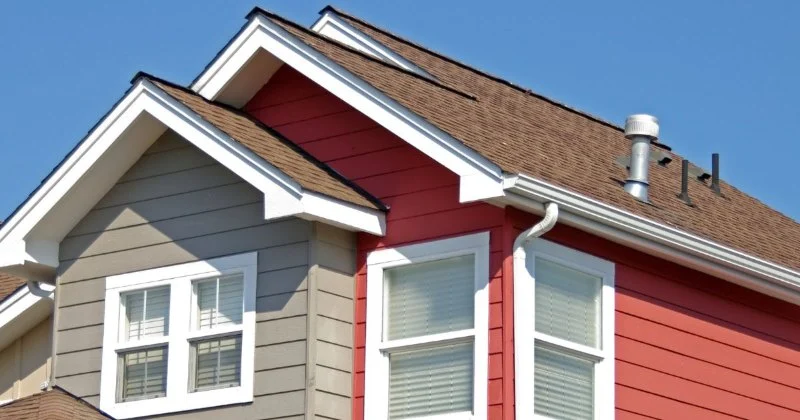
Before choosing between a flat roof or a sloped roof, it’s essential to understand how each type functions and what makes them different. A flat roof isn’t completely flat—it has a slight pitch for water drainage—but it’s generally less angled than a sloped roof. Flat roofs are often seen on modern or commercial buildings, while sloped roofs are common in traditional residential structures.
Toitures Bernier et Fils / toitures bernier
QuébecCapitale-NationaleQuébec
1095 Chem. de la Canardière #4, Québec, QC G1J 2C2, Canada
1.1 How Each Roof Works
Sloped roofs rely on gravity to naturally guide snow and rainwater away from the structure, making them highly efficient in wet or snowy environments. In contrast, flat roofs require built-in drainage systems and more maintenance to handle standing water or snow accumulation.
Marlad Roofing & Siding Inc / marlad
BramptonRegional Municipality of PeelOntario
30 Hale Rd Unit 14, Brampton, ON L6W 4N9, Canada
1.2 Where They’re Typically Used
In Canada, sloped roofs dominate residential architecture, especially in suburban and rural areas. Flat roofs are more common in urban centers like Toronto or Vancouver, often preferred for their clean, modern lines and ability to support rooftop patios or solar panels.
2. Climate Performance in Canada
Canada’s climate plays a major role in determining the best roofing option. With freezing winters, heavy snowfall, and periods of rapid melt, roofing must endure both weight and water challenges.
2.1 Winter Considerations
Sloped roofs perform exceptionally well in snowy conditions due to their shedding capability. Snow slides off naturally, reducing the risk of ice damming. Flat roofs, on the other hand, require vigilant snow removal and waterproofing layers to prevent leaks or structural stress.
2.2 Seasonal Transitions and Durability
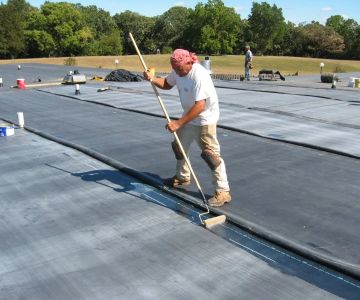
In transitional months when freeze-thaw cycles are frequent, sloped roofs show greater durability. Flat roofs can suffer from membrane cracks and require more frequent inspections, particularly in older buildings. However, modern flat roofing materials like TPO and modified bitumen have improved performance dramatically.
3. Aesthetic and Design Considerations
The look and functionality of a roof impact both curb appeal and property use. Homeowners looking to make a statement often weigh design as heavily as performance.
3.1 Architectural Style Alignment
Sloped roofs suit traditional homes, such as cottages or farmhouses commonly found in Ontario or Alberta. They offer charming symmetry and timeless appeal. Flat roofs, however, pair well with contemporary and minimalist architecture. They enable clean lines and modern elevation, highly sought after in new builds and renovations across urban Canada.
3.2 Usable Space
Flat roofs can be converted into functional outdoor spaces—think rooftop gardens, lounges, or even green roofs. This is a major advantage in dense cities like Montreal, where outdoor space is limited. Sloped roofs, although limited in this regard, offer attic storage or loft possibilities in many designs.
4. Cost, Maintenance, and Durability
Budget is a major factor for any roofing project. But it's not just about initial installation—long-term maintenance and durability matter just as much.
4.1 Installation and Material Costs
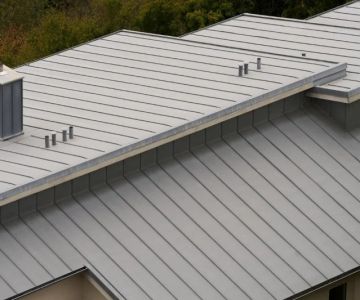
Flat roofs are generally cheaper to install due to less labor and fewer materials. However, they require higher-quality sealing systems to prevent leaks. Sloped roofs, especially those using asphalt shingles or metal, may cost more upfront but often require less maintenance in the long run.
4.2 Lifespan and Repairs
With regular maintenance, flat roofs typically last 15–25 years. Sloped roofs, depending on materials, can last 30–50 years. For example, a metal sloped roof installed in Calgary might outlast most of the home’s structural elements. That said, a flat roof in a Toronto townhouse may be easier and cheaper to repair due to accessibility.
5. Real-Life Example from Toronto
In downtown Toronto, a young couple decided to renovate a 1940s flat-roof duplex into a sleek modern home. The flat roof allowed them to install a rooftop garden with built-in seating and solar panels. While they invested in a premium waterproofing system, the lifestyle payoff was immense—they gained 400 square feet of outdoor space without expanding the footprint.
Contrast this with a family in Ottawa who replaced their aging sloped asphalt roof with a metal roof after an ice dam caused interior leaks. The steeper pitch and improved material now keep their home dry during even the harshest winters, and the aesthetic boost increased their property value substantially.
6. Professional Guidance from Pickering Roofing
Choosing between a flat roof and a sloped roof depends on more than just looks—it’s a question of function, location, and lifestyle. At Pickering Roofing, we specialize in helping Canadian homeowners evaluate their options with expert advice tailored to local climate and budget considerations.
Our team provides free assessments, honest guidance, and high-quality workmanship—whether you're building a new home or replacing an aging roof. From urban flats to rural farmhouses, we help you make a decision that protects your investment for decades to come.
Considering a roof replacement or renovation? Get in touch with Pickering Roofing to discover the best solution for your home and your future.
 Canadian Siding and Roofing4.0 (17 reviews)
 Irvine Roofing And Siding - Roofing Contractor3.0 (20 reviews)
 Streamline Roofing & Construction4.0 (33 reviews)
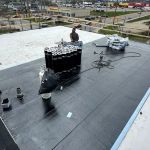 Ottawa Master Roofing5.0 (20 reviews)
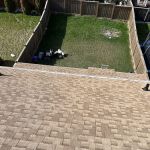 HeFeng Roofing5.0 (5 reviews)
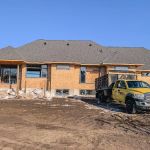 ORION EXTERIOR CONTRACTING3.0 (3 reviews)
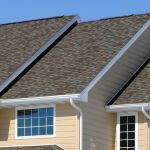 How Much Does a New Roof Cost in 2025? Canadian Roofing Price Guide
 Top Signs Your Roof Has a Leak and What to Do About It in Canada
 Can You Install a New Roof Over an Old One in Canada?
 The Top Questions to Ask Before Hiring a Roofer in Canada
 What Are the Most Common Roofing Scams and How to Avoid Them in Canada
 How to Prepare Your Home for a Roofing Project in Canada