
 How Climate Affects Your Roofing Choices: A Guide for Canadian Homeownersclimate affects roofing choices, roofing materials for different climates, best roofing for cold climates, roofing materials for hot climates, Canada roofing choicesLearn how climate plays a key role in selecting the best roofing materials for your home in Canada. Discover the most suitable roofing options for both cold and hot climates.
- 1. Introduction
- 2. Climate Considerations for Your Roof
- 3. Best Roofing Materials for Cold Climates
- 4. Best Roofing Materials for Hot Climates
- 5. Roofing Materials for Wet or Humid Climates
- 6. Conclusion
1. Introduction
When selecting a roofing material for your home, the climate is one of the most important factors to consider. In Canada, where weather conditions vary significantly across regions, your roof needs to be able to withstand extreme temperatures, snow, rain, and even high winds. Whether you're dealing with the frigid winters of the north or the warmer temperatures of the southern provinces, understanding how climate affects your roofing choices is crucial to ensuring the longevity and effectiveness of your roof.
2. Climate Considerations for Your Roof
Climate plays a pivotal role in determining the best roofing materials for your home. Factors such as temperature fluctuations, snow load, UV exposure, and humidity will directly impact the performance and lifespan of your roof. In Canada, homes face a diverse range of weather patterns, from freezing temperatures and heavy snow in the northern territories to milder winters and hotter summers in southern regions. Let’s break down how these environmental factors should influence your roofing choices.
3. Best Roofing Materials for Cold Climates
If you live in a colder region of Canada, such as the northern territories or parts of Quebec and Ontario, you need a roofing material that can handle the harsh winters and heavy snow loads. Here are some roofing options that are particularly well-suited for cold climates:
3.1 Asphalt Shingles
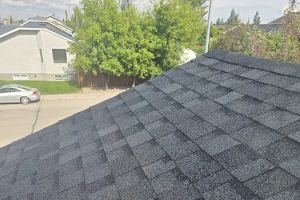
Asphalt shingles are a popular choice in colder regions because they are affordable, easy to install, and provide adequate insulation. They are also designed to withstand freezing temperatures and heavy snowfall, making them a solid choice for Canadian winters. However, it’s important to choose high-quality, impact-resistant shingles that can handle the weight of snow and ice.
3.2 Metal Roofing
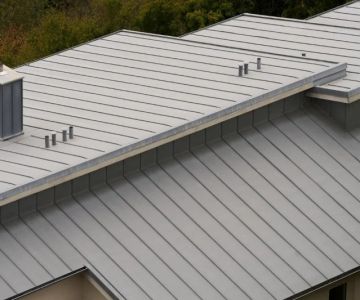
Metal roofing is another excellent option for cold climates. It is durable, lightweight, and resistant to the extreme temperatures experienced in northern Canada. Additionally, metal roofs shed snow easily, preventing the buildup of ice dams, which can lead to costly damage. Metal roofs also have a long lifespan, often lasting 50 years or more with minimal maintenance.
3.3 Slate and Tile Roofs
While slate and tile roofs can be more expensive, they offer superior durability and are well-suited for the cold weather. They are heavy, which helps them resist wind damage, and their natural materials provide excellent insulation. Slate, in particular, is incredibly resistant to freezing temperatures and can last for over 100 years if properly maintained.
4. Best Roofing Materials for Hot Climates
In contrast to the colder regions, homes in southern Canada and coastal areas often experience hotter, sunnier climates. If you live in these areas, your roof should be designed to reflect heat and withstand high temperatures. Here are some roofing materials that perform well in hot climates:
4.1 Clay and Concrete Tiles
Clay and concrete tiles are ideal for hot climates due to their ability to reflect sunlight and reduce heat absorption. These materials also provide excellent insulation, helping to keep your home cool in the summer months. While they are more expensive than asphalt shingles, they offer long-term benefits in terms of energy savings and durability.
4.2 Metal Roofing
Metal roofing is also an excellent choice for homes in hot climates. The reflective nature of metal helps keep your home cooler by reflecting sunlight, which reduces the need for air conditioning. Additionally, metal roofing is lightweight, durable, and requires little maintenance, making it a cost-effective option in the long run.
4.3 Cool Roofing
Cool roofing is a newer option designed to reflect more sunlight and absorb less heat than traditional roofing materials. It’s a great choice for areas with intense sun exposure. Cool roofs are often made from reflective coatings or reflective tiles, helping to reduce energy costs and prevent your home from becoming overheated.
5. Roofing Materials for Wet or Humid Climates
Regions with high humidity and frequent rainfall, such as Vancouver and the coastal areas of British Columbia, require roofing materials that are resistant to moisture, mold, and mildew. Here are some roofing materials that work well in wet climates:
5.1 Asphalt Shingles
Asphalt shingles are an affordable choice for wet climates, but it’s important to choose high-quality shingles with good moisture resistance. Opting for shingles with a waterproof underlayment or advanced sealing technology will help protect your roof from water damage.
5.2 Metal Roofing
Metal roofing’s resistance to water and its ability to shed rainwater quickly make it a great option for wet climates. The smooth surface of metal roofing prevents water from pooling, and its rust-resistant properties make it an excellent choice for areas with high humidity and frequent rain.
5.3 Synthetic Roofs
Synthetic roofing materials, such as rubber or plastic-based shingles, are highly resistant to moisture and are often used in areas with heavy rainfall. These materials mimic the look of wood or slate while providing superior water resistance and durability.
6. Conclusion
When it comes to choosing the best roofing material for your home in Canada, climate plays a crucial role in your decision-making process. By understanding how temperature, humidity, and weather patterns affect different roofing materials, you can select the right roof that will protect your home for years to come. Whether you need a roof that can handle heavy snow, reflect heat, or withstand the constant rain, there’s a roofing option that’s perfect for your climate.
For more information on roofing materials or to explore your options, visit [Pickering Roofing] to find expert advice and services tailored to your needs.
 Superior Spray Foam5.0 (3 reviews)
 Toitures Top Qualité Inc.4.0 (6 reviews)
 Dawson and Sons Roofing5.0 (22 reviews)
 Scarborough Roofing Shingle, Flat & Metal Roofs0.0 (0 reviews)
 Pitch Perfect Roofing Ltd5.0 (4 reviews)
 Toiture Bricollard5.0 (7 reviews)
 How Much Does a New Roof Cost in 2025? Canadian Roofing Price Guide
 Top Signs Your Roof Has a Leak and What to Do About It in Canada
 Can You Install a New Roof Over an Old One in Canada?
 The Top Questions to Ask Before Hiring a Roofer in Canada
 What Are the Most Common Roofing Scams and How to Avoid Them in Canada
 How to Prepare Your Home for a Roofing Project in Canada