
- 1- Climate and Roofing Materials in Canada
- 2- How Cold Climates Impact Roofing
- 3- The Role of Snow and Ice in Roofing Choices
- 4- Hot and Humid Climates and Roofing Considerations
- 5- Selecting the Right Roofing Materials for Your Climate
- 6- Case Study of Roofing in Canadian Climates
1. Climate and Roofing Materials in Canada
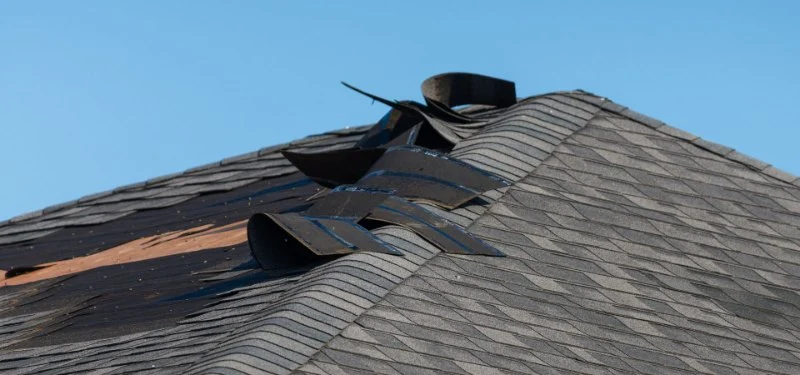
Canada’s diverse climate, ranging from cold winters in the north to humid summers in the south, significantly influences the type of roofing materials homeowners should choose. The climate affects not only the durability of roofing materials but also their energy efficiency, maintenance requirements, and lifespan. Understanding how these factors work together is essential for making the right decision for your home.
Atlas-Apex Roofing Inc. / atlas apex toronto
65 Disco Rd, Etobicoke, ON M9W 1M2, Canada
2. How Cold Climates Impact Roofing
In colder climates, such as those in northern Canada or the Prairies, the impact of freezing temperatures, heavy snowfalls, and ice buildup plays a critical role in roofing decisions. Here's how these conditions influence the roofing process:
Stokes Roofing / stokes roofing
PeterboroughPeterborough CountyOntario
641 Bellaire St, Peterborough, ON K9J 3Y5, Canada
1. Insulation and Energy Efficiency
In regions with cold winters, proper insulation and ventilation are essential for preventing ice dams. Ice dams form when heat escapes from the attic, causing snow on the roof to melt and refreeze at the eaves, creating dangerous icicles and potential water damage. To avoid this, materials like metal roofs, which shed snow quickly, are often preferred. Proper insulation and ventilation systems also prevent the buildup of heat in the attic.
2. Durability and Flexibility
Cold climates demand roofing materials that can withstand freezing temperatures without becoming brittle. Asphalt shingles are commonly used in Canada due to their durability, but they can crack in extreme cold. On the other hand, metal roofing provides a more flexible, long-lasting solution that can endure harsh winter conditions without warping or cracking.
3. The Role of Snow and Ice in Roofing Choices
Snow and ice are significant factors in Canadian roof design. Areas with heavy snowfall need roofs designed to bear the weight of accumulated snow. For example, steep-pitched roofs are often preferred in these areas, as they allow snow to slide off naturally. Flat roofs, which are less common in snowy areas, require regular maintenance and additional reinforcements to avoid collapse under heavy snow loads.
1. Snow Load Considerations
The weight of snow can lead to structural damage if roofs aren’t designed to withstand it. Roofing materials such as slate, concrete tiles, and metal are durable enough to handle snow loads. For homeowners in snowy areas, it's essential to ensure that roofing structures can support the extra weight, especially if heavy snowfalls are frequent.
2. Ice Dams and Water Damage
As mentioned earlier, ice dams are a common issue in colder climates. These can lead to significant water damage inside the home if left unchecked. Selecting roofing materials that allow water to flow easily off the roof and incorporating proper attic ventilation are key to preventing ice dams. Metal roofs, with their smooth surface, are less likely to trap snow and ice compared to asphalt shingles.
4. Hot and Humid Climates and Roofing Considerations
In contrast to Canada’s cold regions, some parts of the country, especially in the south, experience hot and humid summers. These conditions present different challenges for roofing materials, primarily concerning heat resistance, moisture management, and UV damage:
1. Heat Resistance and UV Protection
Roofing materials need to withstand prolonged exposure to intense sunlight. Asphalt shingles, while common, can deteriorate faster under the sun’s heat, leading to fading, warping, or cracking. Metal roofs, however, are reflective and can significantly reduce heat absorption, helping to keep your home cooler during summer months.
2. Moisture and Humidity Control
High humidity levels can lead to mold, mildew, and algae growth on roofing materials. This can compromise the integrity of the roof and cause aesthetic issues. Roofing materials like clay tiles or metal are more resistant to moisture, preventing mold growth and reducing maintenance needs. Additionally, proper attic ventilation helps mitigate moisture buildup.
5. Selecting the Right Roofing Materials for Your Climate
Choosing the right roofing materials for your specific climate is crucial to ensure durability, performance, and longevity. Here are some common roofing options based on Canadian climate conditions:
1. Asphalt Shingles
Asphalt shingles are one of the most popular choices for Canadian homes, offering a good balance of affordability and durability. They are suitable for a variety of climates, including cold regions, as long as proper ventilation and insulation are in place. They also come in different grades, allowing homeowners to choose options that provide better resistance to heat and cold.
2. Metal Roofing
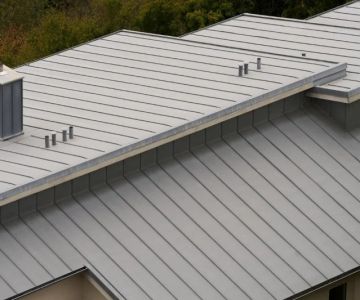
Metal roofs are a strong contender in Canada due to their ability to withstand extreme temperatures and heavy snowfalls. They are lightweight, durable, and highly energy-efficient. In addition, metal roofs are low-maintenance and resistant to issues like ice dams and algae growth. While they can be more expensive initially, they are an excellent long-term investment for homeowners in cold climates.
3. Clay and Concrete Tiles
Clay and concrete tiles are great for hot and dry climates in Canada, especially in southern regions. These materials provide excellent UV resistance and durability under high heat, but they are less common in cold areas due to their weight and vulnerability to cracking under freezing conditions.
4. Slate Roofing
Slate is an incredibly durable and attractive option, offering a long lifespan. It’s ideal for homes in colder climates, as it can handle snow loads and extreme temperatures. However, slate is expensive and requires specialized installation, making it a premium option for homeowners willing to invest in a long-lasting roof.
6. Case Study of Roofing in Canadian Climates
A recent case study in Ontario highlighted the importance of selecting the right roofing material. A homeowner in a snow-heavy region opted for asphalt shingles, only to face issues with ice dams within a few years. After consulting with Pickering Roofing, they replaced the shingles with a metal roof, which provided better snow shedding and eliminated the risk of water damage from ice buildup. This case underscores how climate directly impacts roofing decisions and why consulting roofing professionals is essential.
In conclusion, understanding how climate affects your roofing choices is vital when making an informed decision about your home. Whether you are dealing with harsh winters, heavy snowfalls, or scorching heat, the right roofing material can make all the difference in terms of protection, energy efficiency, and long-term costs. For expert guidance tailored to your climate, visit Pickering Roofing, where we help Canadian homeowners make the best roofing choices for their needs.
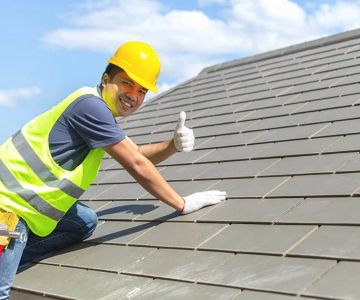
 Advanced Level Homes - Roofing & Exteriors5.0 (138 reviews)
 Canadian Rooftops5.0 (5 reviews)
 5 Star Roofing4.0 (45 reviews)
 Barnabé Multi-Travaux Inc.5.0 (1 reviews)
 Canadian Metal Roof Manufacturing Ltd4.0 (37 reviews)
 Lincoln Exterior Renovations4.0 (165 reviews)
 How Much Does a New Roof Cost in 2025? Canadian Roofing Price Guide
 Top Signs Your Roof Has a Leak and What to Do About It in Canada
 Can You Install a New Roof Over an Old One in Canada?
 The Top Questions to Ask Before Hiring a Roofer in Canada
 What Are the Most Common Roofing Scams and How to Avoid Them in Canada
 How to Prepare Your Home for a Roofing Project in Canada