
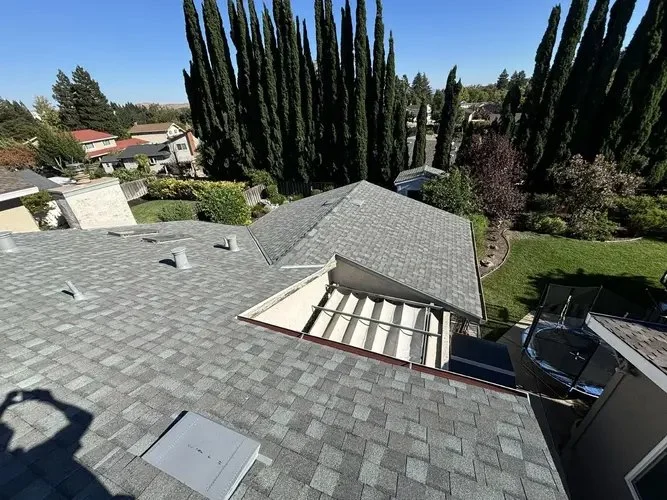
How Climate Affects Your Roofing Choices
When it comes to selecting roofing materials for your home, the climate is one of the most important factors to consider. In Canada, where the weather can vary drastically from coast to coast, choosing the right roofing material is crucial to ensuring the longevity and performance of your roof. From heavy snowfalls and freezing temperatures in the winter to intense heat waves during the summer, your roof must be equipped to handle the extremes of the Canadian climate.
- Climate Factors in Canada
- Roofing Materials for Extreme Weather
- How Insulation Impacts Roof Longevity
- Roof Maintenance in Different Climates
- Choosing the Right Roofing Contractor for Your Climate
1. Climate Factors in Canada
Canada’s climate varies significantly across regions, and this has a profound impact on the type of roof you should choose. The country experiences extreme temperatures, heavy rainfall, freezing conditions in winter, and intense sun in the summer, all of which can wear down roofing materials over time.
For example, in cities like Toronto and Vancouver, winters bring significant snowfall and freezing temperatures, while cities like Calgary can experience temperature fluctuations ranging from freezing cold to intense heat in the summer. These conditions make it essential to choose roofing materials that can handle both the freeze-thaw cycles and the moisture levels typical of Canadian winters.

Custom Contracting Roofing & Eavestrough Repair Waterloo / eavestrough repair waterloo
WaterlooWaterloo Regional MunicipalityOntario
165 Margaret Ave S, Waterloo, ON N2J 2E3, Canada
2. Roofing Materials for Extreme Weather
When selecting roofing materials in Canada, it's important to consider how well they will perform in extreme weather conditions. Here are some of the most popular roofing materials and their suitability for various climates:
- Asphalt Shingles: Asphalt shingles are a popular choice due to their affordability and effectiveness in a variety of climates. They are particularly suitable for areas with moderate snowfall and wind. However, they may not perform as well in extremely cold climates where ice dams are common.
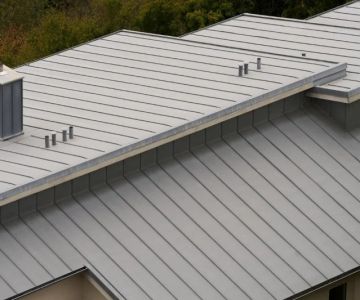
- Metal Roofing: Metal roofs are ideal for Canadian winters, as they are highly resistant to heavy snow and can withstand extreme cold temperatures. They also reflect heat in the summer, making them energy efficient. Metal roofs are perfect for areas with heavy snowfalls or those prone to wild temperature swings.
- Wood Shingles: While beautiful, wood shingles are best suited for drier climates. They can be prone to rot and moss growth in wet, freezing climates, and may require more maintenance in places like Vancouver or the Maritimes.
- Slate Roofing: Slate is highly durable and resistant to the elements, making it ideal for Canadian homes. While it can be more expensive, its long lifespan and ability to handle both extreme cold and heat make it a top choice in colder regions.
3. How Insulation Impacts Roof Longevity
Proper insulation is crucial in maintaining the longevity of your roof, particularly in a country with such extreme temperature fluctuations. In cold climates, poorly insulated roofs can lead to ice dams, which occur when heat from your attic melts snow on the roof, causing water to freeze again at the eaves. This trapped water can seep under shingles and cause significant damage to your roof and home’s interior.
For homeowners in colder regions like Quebec and northern Ontario, investing in high-quality insulation and proper ventilation can help prevent these issues. Additionally, insulation can help regulate temperatures inside your home, reducing heating costs in the winter and keeping your roof in better condition year-round.

Toitures Bernier et Fils / toitures bernier
QuébecCapitale-NationaleQuébec
1095 Chem. de la Canardière #4, Québec, QC G1J 2C2, Canada
4. Roof Maintenance in Different Climates
Regardless of where you live in Canada, regular roof maintenance is essential to ensure your roof is prepared to handle the climate. Here's how maintenance differs in various regions:
- In Cold, Snowy Climates: Ensure your roof is cleared of snow after heavy snowfall to prevent ice dams and excess weight that could damage the structure. It’s also important to check for leaks caused by the freeze-thaw cycles.
- In Wet or Humid Areas: Regions like Vancouver or the Maritimes require more frequent roof inspections to check for moss, mold, and algae growth. These factors can deteriorate shingles and other roofing materials.
- In Hot, Sunny Areas: If you live in southern Ontario or parts of Alberta, UV radiation can break down roofing materials over time. Periodically inspect your roof for signs of wear, especially for asphalt shingles, which are more prone to cracking in hot weather.
5. Choosing the Right Roofing Contractor for Your Climate
Choosing a roofing contractor with experience in your specific climate is essential for ensuring that the materials and installation are appropriate for the conditions. In Canada, it's important to select a contractor who is familiar with the challenges posed by freezing temperatures, heavy snow, or intense heat.
For example, a contractor in Toronto should be experienced with handling ice dams and heavy snow loads, while a contractor in Vancouver should be adept at dealing with moss and mildew buildup. Always ask for references and ensure that your contractor uses quality materials designed to withstand the local climate.
For expert advice on roofing materials and services suited for your climate, visit Pickering Roofing, where we offer a range of roofing solutions tailored to the unique needs of Canadian homeowners.
 Gold Standard Exteriors - Orangeville, Caledon and Mono Roofing, Eavestrough and Siding4.0 (22 reviews)
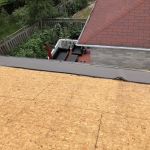 Roofing Stars5.0 (17 reviews)
 Dignity Roofing & Exteriors5.0 (73 reviews)
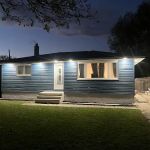 R. Wilton Aluminum4.0 (14 reviews)
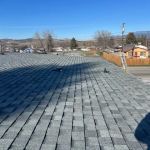 Osland Roofing5.0 (25 reviews)
 Green Leaf Roofing Inc.4.0 (47 reviews)
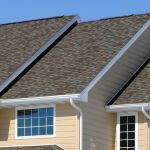 How Much Does a New Roof Cost in 2025? Canadian Roofing Price Guide
 Top Signs Your Roof Has a Leak and What to Do About It in Canada
 Can You Install a New Roof Over an Old One in Canada?
 The Top Questions to Ask Before Hiring a Roofer in Canada
 What Are the Most Common Roofing Scams and How to Avoid Them in Canada
 How to Prepare Your Home for a Roofing Project in Canada