
- What Is Roof Pitch and Why It Matters
- How Contractors Determine Roof Pitch
- Different Roof Pitch Types and Their Benefits
- Roof Pitch and Its Impact on Weather Resistance
- Real-Life Case Study: Roof Pitch in Action
What Is Roof Pitch and Why It Matters
Roof pitch refers to the angle or steepness of a roof, which is typically expressed as a ratio of the vertical rise to the horizontal run (often noted as "X:12," where X is the rise in inches for every 12 inches of horizontal distance). For example, a roof with a 6:12 pitch rises 6 inches vertically for every 12 inches horizontally.
The pitch of a roof plays a crucial role in the overall function and aesthetic of a home. It affects the roof’s ability to shed water and snow, the type of materials that can be used, and even the interior space available in the attic. A roof with a steep pitch can provide more space for an attic or vaulted ceilings, while a low-pitched roof is often more energy-efficient and easier to maintain.

Toitures Bernier et Fils / toitures bernier
QuébecCapitale-NationaleQuébec
1095 Chem. de la Canardière #4, Québec, QC G1J 2C2, Canada
How Contractors Determine Roof Pitch
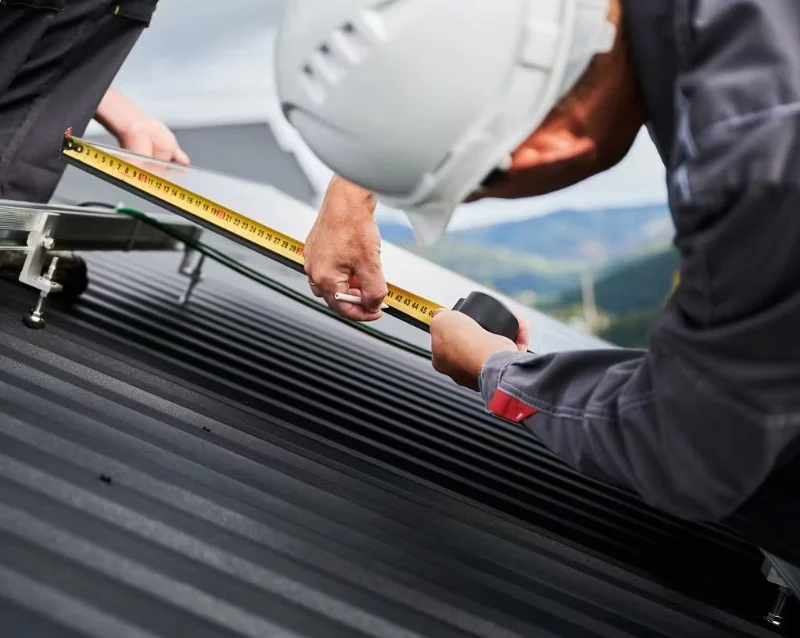
Contractors determine roof pitch using several methods, depending on the complexity of the roof and the tools available. The two most common ways contractors measure roof pitch include using a pitch gauge or simple mathematical calculations.
Edmonton Roofing Company / replace roof edmonton
8023 182 St NW, Edmonton, AB T5T 0T6, Canada
1. Using a Pitch Gauge
A pitch gauge is a tool specifically designed for determining the pitch of a roof. It is a simple, easy-to-use tool that measures the angle of the roof slope. Contractors typically place the pitch gauge against the roof’s surface and read the measurement on the scale, which gives the pitch ratio. This method is efficient and provides quick results, especially on steep roofs.
2. Measuring with a Level and Ruler
For a more hands-on approach, contractors can use a level and ruler to determine roof pitch. They first measure a horizontal distance (usually 12 inches) along the roof and then measure how much the roof rises over that distance. The ratio of the rise to the run is the roof pitch. For example, if the roof rises 6 inches over a 12-inch horizontal span, the roof pitch would be 6:12.
3. Digital Tools and Apps
With advances in technology, some contractors now use digital tools and apps to measure roof pitch. These tools use sensors to calculate the slope angle and provide an accurate reading of the roof pitch. These digital methods are especially useful for complicated roofs or when precise measurements are required for construction or design purposes.
Different Roof Pitch Types and Their Benefits
There are several types of roof pitches, each offering different advantages depending on your needs. Below, we explore the most common roof pitch types:
1. Low Pitch Roof (1:12 to 4:12)
Low-pitched roofs are generally considered to have a slope of between 1:12 and 4:12. These roofs are relatively flat and are commonly seen in modern architecture. Low-pitch roofs offer advantages in terms of energy efficiency and cost-effectiveness, especially in regions with mild climates. However, they can be prone to water accumulation, making proper drainage systems crucial.
2. Medium Pitch Roof (5:12 to 7:12)
Medium-pitched roofs, ranging from 5:12 to 7:12, are among the most common in residential construction. They strike a balance between aesthetics and functionality, providing enough slope to allow for proper water runoff without being overly steep. These roofs also offer additional space in the attic and are generally more cost-effective than steeper roofs.
3. Steep Pitch Roof (8:12 to 12:12)
Steep-pitched roofs are typically used in regions where heavy snowfall is common. The steep angle ensures that snow and rainwater can easily slide off, preventing accumulation that could cause leaks or structural damage. These roofs also offer a spacious attic or vaulted ceiling. However, steep-pitched roofs tend to be more expensive due to their complex construction and the need for special materials.
4. Mansard Roof (Above 12:12)
A mansard roof is a highly steep roof often used in French architectural styles. With slopes that are typically steeper than 12:12, mansard roofs provide significant space in the attic. This style is ideal for creating additional living space in the upper levels of a home. While aesthetically pleasing, mansard roofs are more costly to build and maintain due to their steep slopes and intricate design.
Roof Pitch and Its Impact on Weather Resistance
Roof pitch plays a significant role in how well a roof can withstand various weather conditions, especially in regions with heavy rain, snow, or high winds. Here's how different roof pitches affect weather resistance:
1. Snow and Rain Drainage
Steeper roof pitches are ideal for areas that experience heavy snowfall or rainfall. The increased slope allows snow and water to slide off quickly, preventing build-up that could lead to leaks or structural damage. Low-pitched roofs, on the other hand, are more susceptible to water pooling, making it essential to have a well-designed drainage system in place.
2. Wind Resistance
While a steeper roof pitch helps with water drainage, it can also be more vulnerable to high winds. In regions prone to strong winds, contractors may recommend a medium-pitched roof, which provides a balance between wind resistance and water drainage. Low-pitched roofs, though more wind-resistant due to their minimal surface area, are not as effective in areas that experience heavy rain or snow.
Real-Life Case Study: Roof Pitch in Action
Let’s consider a real-life example of how roof pitch affects construction and home performance:
Case Study: A Home in Vancouver
A family in Vancouver decided to replace their roof after noticing leaks during the heavy rains of winter. The existing roof had a low pitch, which caused water to pool and seep into the house. After consulting with a contractor, they decided to install a new medium-pitch roof (6:12) to improve water drainage while also offering better insulation for the attic space. This change not only solved their water problems but also added value to their home by increasing energy efficiency and creating extra attic space for storage.
This example highlights how choosing the right roof pitch can solve common issues like water accumulation and improve the long-term performance of your home’s roof.
 Peterborough Roofing0.0 (0 reviews)
 Trust Ying Roofing & Renovation Inc.5.0 (4 reviews)
 Toitures Multi4.0 (8 reviews)
 D.C United Roofing4.0 (149 reviews)
 Chisholm Roofing1.0 (2 reviews)
 Groupe M2DC4.0 (84 reviews)
 How Much Does a New Roof Cost in 2025? Canadian Roofing Price Guide
 Top Signs Your Roof Has a Leak and What to Do About It in Canada
 Can You Install a New Roof Over an Old One in Canada?
 The Top Questions to Ask Before Hiring a Roofer in Canada
 What Are the Most Common Roofing Scams and How to Avoid Them in Canada
 How to Prepare Your Home for a Roofing Project in Canada