
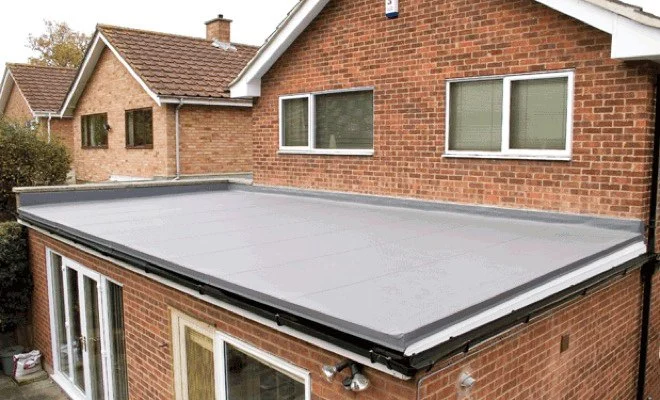
1. The Differences Between Flat Roofs and Pitched Roofs
Roofs come in many shapes and sizes, but two of the most common types are flat roofs and pitched roofs. While both serve the same basic purpose—protecting your home from the elements—each type of roof has distinct structural features and maintenance needs. Understanding these differences is essential for homeowners to maintain their roofs properly and avoid costly repairs down the line. In this article, we’ll explore how flat roofs require different maintenance than pitched roofs and why these differences matter.
php-template复制代码2. Key Differences in Maintenance Needs for Flat vs. Pitched Roofs
The maintenance requirements for flat roofs and pitched roofs differ due to their unique structures. Flat roofs have a low slope, which can cause water to pool, whereas pitched roofs have a steeper angle that helps water drain off more easily. Let’s dive deeper into how these structural differences affect their upkeep:
GoldHill Roofing / goldhill
526 Welham Rd Unit 1, Barrie, ON L4N 8Z7, Canada
2.1 Water Drainage Issues on Flat Roofs
Flat roofs are prone to water pooling, especially if the drainage system is not functioning properly. Standing water can lead to leaks, mold, and deterioration of the roofing materials. To maintain a flat roof, it’s crucial to ensure that the roof is clean and that gutters and drains are clear to prevent water buildup.
2.2 Pitched Roofs and Better Drainage
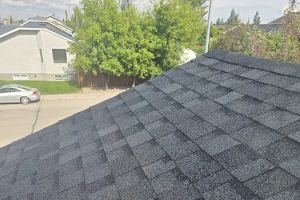
Pitched roofs are naturally designed for water to flow off, which reduces the risk of water pooling. However, debris, such as leaves or twigs, can still block gutters and drains, leading to water overflow and potential damage. Pitched roof maintenance involves regularly cleaning gutters and ensuring proper ventilation to prevent moisture buildup in the attic.
2.3 Material Durability
The materials used in flat roofs, such as rubber or modified bitumen, are designed to withstand more direct exposure to the elements. However, over time, UV rays and weather conditions can cause these materials to degrade. In contrast, pitched roofs typically use shingles or tiles that are more resistant to wear and tear, but can still crack or lift due to high winds.
3. Common Flat Roof Issues and How to Address Them
Flat roofs are more susceptible to specific problems due to their low slope and drainage challenges. Here are some common flat roof issues and how to address them:
3.1 Ponding Water
Ponding water occurs when water collects in low spots on a flat roof. This can lead to leaks, mold growth, and even structural damage. Regular roof inspections are essential to identify and repair any drainage issues before they cause significant problems. Installing tapered insulation during installation can help direct water toward the drains.
3.2 Cracking and Shrinking Membranes
The membrane on a flat roof, such as EPDM (ethylene propylene diene monomer) or TPO (thermoplastic olefin), can crack or shrink over time due to sun exposure. These cracks can lead to leaks and water damage. Proper maintenance includes inspecting the roof membrane for cracks and scheduling repairs promptly to avoid more extensive damage.
3.3 Debris Accumulation
Leaves, branches, and other debris can accumulate on flat roofs, obstructing the drainage system and contributing to water buildup. Cleaning the roof and ensuring that gutters and downspouts are free of debris can prevent many common issues associated with flat roofs.
4. Pitched Roof Maintenance: What You Need to Know
Pitched roofs, while generally less susceptible to pooling water, require regular maintenance to prevent damage. Some common pitched roof issues include:
4.1 Gutter Cleaning
Gutters on pitched roofs are essential for directing water away from the house. Regular gutter cleaning helps prevent overflow, which can lead to water damage in the walls or foundation of the home. Homeowners should inspect their gutters twice a year to ensure they are clear of leaves and debris.
4.2 Shingle Inspection
Shingles on pitched roofs can deteriorate over time due to exposure to the elements. It’s important to inspect shingles regularly for signs of damage such as cracks, curling, or missing pieces. Replacing damaged shingles early on can prevent more extensive water damage.
4.3 Ventilation Maintenance
Pitched roofs often have attic spaces that require proper ventilation to prevent moisture buildup, which can lead to mold growth and wood rot. Ensuring that attic vents are clear and working properly is key to maintaining a healthy roof.
5. The Importance of Regular Roof Maintenance
Whether you have a flat roof or a pitched roof, regular maintenance is critical to extending the lifespan of your roof and avoiding costly repairs. A well-maintained roof helps protect your home from leaks, water damage, and energy loss. Scheduling routine inspections with a professional roofing service, such as Pickering Roofing, ensures that small issues are addressed before they become major problems.
6. Real-Life Case Study: Flat Roof Maintenance in Action
Consider the case of a commercial building in Toronto with a flat roof. The property manager scheduled regular inspections, which led to the discovery of ponding water and a few small cracks in the membrane. Thanks to the early detection, they were able to address the issues with minor repairs, saving thousands of dollars in potential water damage. This proactive maintenance allowed the roof to last several more years without the need for a full replacement.
7. When to Call a Professional for Roof Maintenance
Roof maintenance can be complex, especially when dealing with flat roofs or extensive damage. It’s essential to hire a professional roofing service with the expertise and equipment to properly inspect and maintain your roof. A roofing expert can identify hidden issues, recommend the best solutions, and ensure that your roof is in top condition to protect your home.
8. Conclusion: Maintaining Your Roof for Longevity and Protection
Both flat roofs and pitched roofs require specific maintenance strategies to ensure their longevity and effectiveness. Flat roofs require careful attention to drainage, membrane integrity, and debris management, while pitched roofs need regular gutter cleaning, shingle inspections, and ventilation checks. By investing in regular roof maintenance, homeowners can extend the lifespan of their roofs and avoid costly repairs down the road.
If you're looking for expert roof maintenance or need assistance with roof repairs, visit Pickering Roofing for reliable and professional roofing services that can help keep your roof in top shape for years to come.
 Nedlaw Roofing Limited4.0 (129 reviews)
 Cathedral Roofing & Exteriors4.0 (15 reviews)
 N1 Imperial Roofing5.0 (1 reviews)
 Les Constructions Yves Bouchard - Couvreur toit plat, Réparation de toiture, Installation de Toiture Verdun0.0 (0 reviews)
 Findlay Roofing Inc4.0 (27 reviews)
 Save On Roofing Ottawa Ltd0.0 (0 reviews)
 How Much Does a New Roof Cost in 2025? Canadian Roofing Price Guide
 Top Signs Your Roof Has a Leak and What to Do About It in Canada
 Can You Install a New Roof Over an Old One in Canada?
 The Top Questions to Ask Before Hiring a Roofer in Canada
 What Are the Most Common Roofing Scams and How to Avoid Them in Canada
 How to Prepare Your Home for a Roofing Project in Canada