
- 1. Understanding How Heavy Rain Affects Your Roof
- 2. The Impact of Freeze-Thaw Cycles on Your Roof
- 3. How Heavy Rain & Freeze-Thaw Cycles Damage Roof Materials
- 4. Preventative Measures for Protecting Your Roof
- 5. When to Replace Your Roof: Signs You Can't Ignore
1. Understanding How Heavy Rain Affects Your Roof
Heavy rainfall can be one of the most damaging weather events for your roof, especially if your roof is already aging or compromised. Constant exposure to water can lead to leaks, weakened shingles, and in some cases, mold or mildew growth in your attic or ceiling. Even a well-maintained roof can suffer from prolonged exposure to rain, especially if the water doesn’t drain properly due to clogged gutters or faulty downspouts.
When it rains heavily, water can seep under shingles or tiles, breaking down the materials and causing long-term issues that are costly to fix. Understanding how rain impacts your roof is the first step in ensuring that your home remains protected.
Advanced Level Roofing / advanced level roofing winnipeg
1549 St Mary's Rd #101, Winnipeg, MB R2M 5G9, Canada
2. The Impact of Freeze-Thaw Cycles on Your Roof
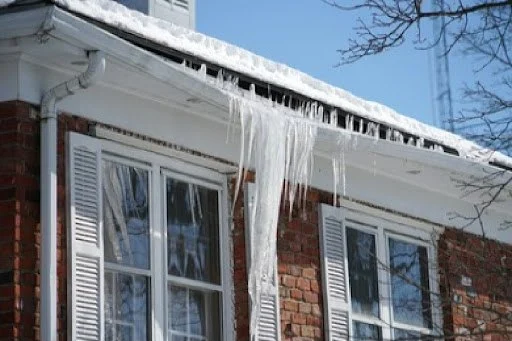
Freeze-thaw cycles are a significant concern, especially in areas like Canada, where winters can be harsh. When water gets into small cracks in your roof and freezes, it expands, causing the cracks to grow. As the temperature rises and the ice thaws, the water may seep deeper into the roof materials, further weakening the structure.
Over time, repeated freeze-thaw cycles can cause significant damage to shingles, tiles, and even the underlying roofing structure. The damage can be subtle at first, but over several cycles, it can lead to significant wear and tear, increasing the risk of leaks and other serious issues.
Vancouver Moss Removal / moss removal near me
VancouverMetro VancouverBritish Columbia
1615 Frances St #105, Vancouver, BC V5L 1Z3, Canada
3. How Heavy Rain & Freeze-Thaw Cycles Damage Roof Materials
Both heavy rain and freeze-thaw cycles affect different roofing materials in various ways. Here’s how these weather elements impact common roof types:
- Asphalt Shingles: Heavy rain can cause asphalt shingles to weaken over time, and freeze-thaw cycles can cause the material to crack, leading to leaks. Water that seeps beneath the shingles can further accelerate this process.
- Wood Shingles or Shake: Wood roofing is highly susceptible to water damage. Prolonged exposure to moisture from heavy rain can cause the wood to rot, while freeze-thaw cycles can make it even more brittle.
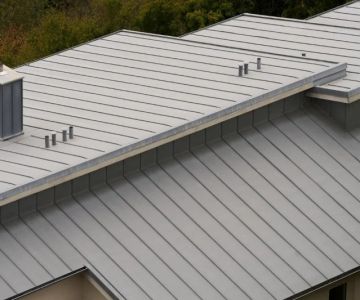
- Metal Roofs: While metal roofs are more resistant to water and temperature extremes, freeze-thaw cycles can cause rusting over time. Water trapped under metal panels can freeze and create long-term issues if not properly sealed.
- Clay or Concrete Tiles: Freeze-thaw cycles are particularly damaging to these materials, as the constant expansion and contraction can cause cracking and chipping. Additionally, heavy rain can wear down the grout and sealants between the tiles.
4. Preventative Measures for Protecting Your Roof
To protect your roof from the damaging effects of heavy rain and freeze-thaw cycles, it's essential to perform regular maintenance and take preventative measures:
- Clean Your Gutters: Make sure gutters and downspouts are free of debris so that water can flow properly. Clogged gutters can cause water to pool, which can lead to leaks and other water damage.
- Inspect for Cracks: Regularly check for cracks, missing shingles, or tiles. If you find any, replace or repair them to prevent water from seeping in.
- Install Ice and Water Shields: These are special membranes that protect the roof from water damage during freezing temperatures. They’re particularly useful in areas with frequent freeze-thaw cycles.
- Ensure Proper Insulation and Ventilation: Proper attic insulation and ventilation can prevent ice dams from forming. Ice dams occur when snow melts on the roof and then refreezes at the edge, causing water to back up under shingles.
5. When to Replace Your Roof: Signs You Can’t Ignore
No matter how well you maintain your roof, there comes a time when replacement is necessary. Here are some signs that your roof may need replacing due to heavy rain or freeze-thaw damage:
- Frequent Leaks: If you’re dealing with multiple leaks in different areas of your roof, it might be time for a full replacement.
- Missing Shingles or Tiles: If shingles or tiles are missing or cracked in multiple places, your roof’s protective layer is compromised.
- Visible Water Damage in Your Attic: Water stains or mold in your attic or ceilings are clear signs of water intrusion and damage.
- Age of Roof: If your roof is over 20 years old and you’re experiencing these issues, it may be nearing the end of its lifespan and should be replaced.
 BRUCOST ROOFING LTD.4.0 (2 reviews)
 Great North Property Enhancement Specialists0.0 (0 reviews)
 Raise the Roof Roofing & Repair Ltd.4.0 (35 reviews)
 J.S.F Roofing Repairs5.0 (64 reviews)
 Best Price Roofing & Renovations Inc5.0 (4 reviews)
 Roque Roofing Inc3.0 (16 reviews)
 How Much Does a New Roof Cost in 2025? Canadian Roofing Price Guide
 Top Signs Your Roof Has a Leak and What to Do About It in Canada
 Can You Install a New Roof Over an Old One in Canada?
 The Top Questions to Ask Before Hiring a Roofer in Canada
 What Are the Most Common Roofing Scams and How to Avoid Them in Canada
 How to Prepare Your Home for a Roofing Project in Canada