
- how-long-do-roofs-last-average-lifespan-by-material
- 1-understanding-roof-longevity-in-canada
- 2-asphalt-shingles-affordability-vs-durability
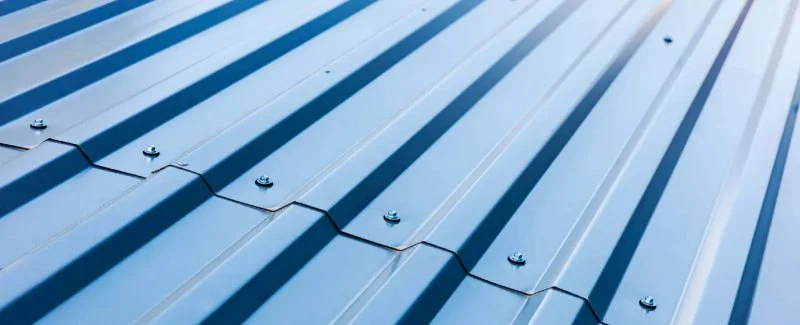
- 3-metal-roofs-built-for-the-long-haul
- 4-wood-shakes-and-shingles-nature-and-maintenance
- 5-tile-and-slate-roofing-premium-performance
- 6-flat-roofs-and-membrane-systems
- 7-real-homeowner-experience-in-ontario
- 8-consult-pickering-roofing-for-expert-guidance
How Long Do Roofs Last? Average Lifespan by Material
In Canada, your roof isn’t just a structure—it’s your first line of defence against freezing winters, spring rainstorms, summer heat, and fall wind gusts. But not all roofs are built to last the same amount of time. This guide explores how long different roofing materials last and how Canadian conditions influence their performance over time.

Flynn Canada Ltd. - Toronto / flynn mississauga
MississaugaRegional Municipality of PeelOntario
6435 Northwest Dr, Mississauga, ON L4V 1X1, Canada
1. Understanding Roof Longevity in Canada
Roof lifespan depends on several key factors: material quality, installation, ventilation, weather exposure, and maintenance. In Canada’s diverse climate—from Vancouver’s rain to Alberta’s snow loads—these factors can dramatically influence how long your roof holds up.
Lansard Bros Roofing Ltd / lansard roofing
50 Don Valley Pkwy, Sunnyside, MB R5R 0C9, Canada
1.1 Why Climate Matters
Frequent freeze-thaw cycles, high UV exposure, and heavy snow can shorten the life expectancy of even high-end materials. That’s why local experience matters when choosing a roofing solution.
1.2 Installation and Ventilation
Proper attic ventilation and professional installation are just as crucial as material quality. Poor installation often leads to premature failure regardless of the product’s rated lifespan.
2. Asphalt Shingles: Affordability vs. Durability
Asphalt shingles remain Canada’s most popular roofing material, largely because of their cost-effectiveness and versatility.
2.1 Expected Lifespan
Standard 3-tab shingles typically last 15–20 years, while architectural (laminate) shingles last around 25–30 years with proper care.
2.2 Regional Performance
In places like Ottawa or Regina, extreme temperature swings can lead to faster deterioration if shingles aren't high-quality or properly sealed.
2.3 Tips for Extending Lifespan
Annual inspections, fast snow removal, and choosing algae-resistant products will help extend lifespan, especially in humid areas like southern Ontario.
3. Metal Roofs: Built for the Long Haul
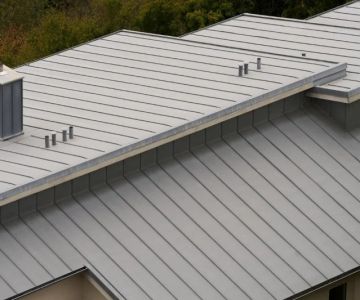
Metal roofs are gaining popularity in Canada, especially in rural and snowy regions due to their strength and longevity.
3.1 Lifespan Expectations
Steel and aluminum metal roofs last between 40–70 years, with minimal maintenance required. Some high-end systems can even outlast that.
3.2 Snow Shedding Advantage
In areas like Northern Ontario or British Columbia, metal roofs prevent snow buildup, reducing weight stress and ice damming risks.
3.3 Considerations
They come at a higher upfront cost but are often worth it in the long term. Choose textured coatings to reduce noise and improve curb appeal.
4. Wood Shakes and Shingles: Nature and Maintenance
Wood roofing offers unmatched rustic charm but demands more care, making it a niche choice in Canada.
4.1 Lifespan and Conditions
Cedar shakes last 25–40 years if well-maintained. In dry, mild climates like Vancouver Island, they perform better than in humid or icy regions.
4.2 High Maintenance Needs
These roofs require treatments for mold, moss, and pests every few years. Neglecting maintenance can reduce lifespan drastically.
5. Tile and Slate Roofing: Premium Performance
Both materials are known for elegance and durability but are more common in historic or luxury homes due to their weight and price.
5.1 Slate Roof Lifespan
Genuine slate can last 75–100+ years. In Canada, it performs exceptionally well in areas with minimal freeze-thaw fluctuation.
5.2 Clay and Concrete Tile
These materials can last 50–75 years but may be less common in Canada due to their susceptibility to cracking in extreme cold unless properly engineered for the climate.
6. Flat Roofs and Membrane Systems
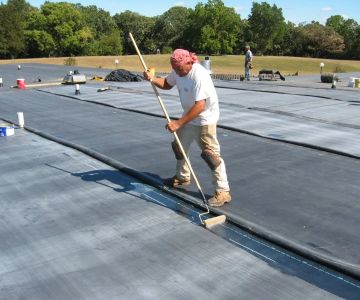
Flat roofing is typically found on modern homes and commercial buildings, using membrane systems like EPDM, TPO, or modified bitumen.
6.1 Typical Lifespan
Flat roofs last 15–30 years depending on material, UV exposure, and drainage efficiency. Proper slope design is essential to prevent water pooling.
6.2 Canadian-Specific Concerns
In cities like Montreal or Edmonton, snow accumulation and freeze-thaw cycles can wear down membranes faster. Regular maintenance is key to maximizing life.
7. Real Homeowner Experience in Ontario
In 2023, a homeowner in Pickering, Ontario, replaced their aging asphalt roof with a high-definition architectural shingle rated for 30 years. After the installation by a reputable team and a winter that brought heavy snow and temperature swings, the roof held up exceptionally well. The homeowner noted improved insulation and noise reduction.
Conversely, a nearby homeowner with an old cedar roof saw multiple leaks after a particularly wet spring, prompting a full replacement earlier than expected. They later opted for metal due to its longevity and snow-shedding capabilities.
8. Consult Pickering Roofing for Expert Guidance
If you're unsure which roofing material suits your region, lifestyle, and budget, Pickering Roofing can help. Our team has deep experience with roofing systems that withstand Canadian winters, rainy springs, and sun-soaked summers. Whether you're considering asphalt for affordability or metal for longevity, we provide insights tailored to your home.
Let Pickering Roofing help you make a smart, lasting investment in your roof—because longevity starts with the right knowledge and the right partner.
 Outdoor Contractor Inc.0.0 (0 reviews)
 United Roofing and Exteriors4.0 (47 reviews)
 Credible Roofing Contractors0.0 (0 reviews)
 Above It All Roofing Inc5.0 (34 reviews)
 Custom Exterior Solutions0.0 (0 reviews)
 Aquaseal Roofing and Exteriors0.0 (0 reviews)
 How Much Does a New Roof Cost in 2025? Canadian Roofing Price Guide
 Top Signs Your Roof Has a Leak and What to Do About It in Canada
 Can You Install a New Roof Over an Old One in Canada?
 The Top Questions to Ask Before Hiring a Roofer in Canada
 What Are the Most Common Roofing Scams and How to Avoid Them in Canada
 How to Prepare Your Home for a Roofing Project in Canada