
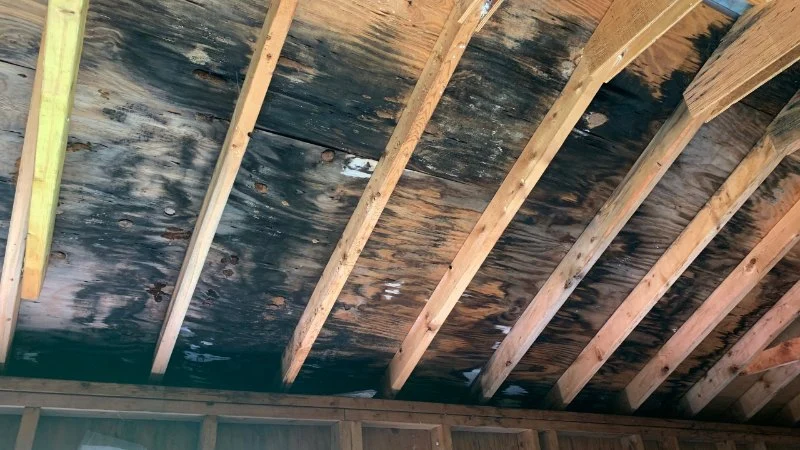
- 1-Understanding Mold and Mildew Growth Under Roof Shingles
- 2-Why Mold and Mildew Grow Under Roof Shingles
- 3-How to Identify Mold and Mildew Under Your Roof
- 4-Steps to Remove Mold and Mildew From Under Roof Shingles
- 5-Preventing Future Mold Growth Under Roof Shingles
- 6-How Pickering Roofing Can Help with Roof Maintenance
1-Understanding Mold and Mildew Growth Under Roof Shingles
Mold and mildew are common problems that can occur under roof shingles, particularly in areas with high humidity, poor ventilation, or water damage. These fungi thrive in dark, damp environments and can cause significant damage to your roofing materials if left untreated. Understanding how and why mold and mildew develop is crucial to preventing their growth and ensuring the longevity of your roof.
CentiMark Ltd. / centimark corporation
740 Huronia Rd Unit 9, Barrie, ON L4N 6C6, Canada
2-Why Mold and Mildew Grow Under Roof Shingles
The main factors that contribute to the growth of mold and mildew under roof shingles include moisture, poor ventilation, and organic material accumulation. Let’s explore each of these factors in detail:
Toitures Garant et Frères Inc / toiture garant
LévisChaudière-AppalachesQuébec
6615 Rue Alfred-Pellan, Lévis, QC G6V 9S9, Canada
1. Moisture
Water is the primary cause of mold and mildew growth. When water infiltrates your roof due to leaks, condensation, or inadequate drainage, it creates a perfect breeding ground for fungi. This moisture can get trapped under the shingles, where it remains in contact with wood, insulation, and other organic materials, creating ideal conditions for mold to thrive.
2. Poor Ventilation
Proper roof ventilation is essential for allowing air to circulate and moisture to escape. Without adequate airflow, humidity can build up in your attic, providing mold and mildew with the moisture they need to grow. Inadequate ventilation can also lead to temperature imbalances, further increasing the likelihood of condensation and moisture retention on your roof’s surface.
3. Organic Material
Roofing materials such as wood and underlayment can provide organic material for mold and mildew to feed on. Over time, debris such as leaves, twigs, and dust can accumulate under shingles, attracting moisture and supporting fungal growth.
3-How to Identify Mold and Mildew Under Your Roof
Identifying mold and mildew under roof shingles can sometimes be tricky, as the damage is not always visible from the exterior. However, there are several signs you can look for to determine if mold or mildew is present:
1. Water Stains on the Ceiling or Walls
If you notice water stains or discoloration on your ceiling or walls, it could be a sign that water is leaking through your roof and fostering mold or mildew growth underneath the shingles. These stains often appear as yellow, brown, or black patches.
2. Musty Odors
A musty or earthy smell inside your home, especially in the attic or upper floors, is a strong indicator of mold or mildew. If the odor is persistent, it may be coming from mold growing in hidden areas under your shingles or in the attic space.
3. Visible Mold Growth
In some cases, you may see visible mold or mildew growing on your roof’s surface, particularly if you inspect the underside of your shingles or roof decking. Mold can appear as black, green, or white patches, while mildew tends to look powdery and white or gray.
4-Steps to Remove Mold and Mildew From Under Roof Shingles
If you discover mold or mildew under your roof shingles, it’s essential to take immediate action to prevent further damage. Here’s a step-by-step guide for removing mold and mildew:
Step 1: Safety First
Before you begin, make sure to wear protective gear, including gloves, a mask, and goggles. Mold spores can be harmful to your health, so it’s important to take precautions when dealing with mold removal.
Step 2: Dry the Area
The first step in mold removal is drying out the affected area. Use fans, dehumidifiers, or open windows to increase airflow and reduce moisture. This will help prevent mold from spreading and allow you to tackle the issue more effectively.
Step 3: Clean the Roof Surface
Use a mixture of water and mild detergent or a specialized roof cleaning solution to scrub the mold and mildew off the shingles. For stubborn areas, you can apply a vinegar-water solution or a store-bought mold cleaner. Use a soft brush or sponge to avoid damaging the shingles.
Step 4: Rinse and Dry
After cleaning the surface, thoroughly rinse the area with clean water to remove any remaining cleaning solution. Allow the roof to dry completely before inspecting it for further mold growth.
5-Preventing Future Mold Growth Under Roof Shingles
Once you’ve successfully removed mold and mildew from your roof, it’s essential to take steps to prevent future growth. Here are a few preventive measures:
1. Improve Ventilation
Ensure that your attic is properly ventilated to allow for adequate airflow. Installing vents or adding more ventilation can help reduce moisture buildup and maintain a healthy balance of air circulation in your attic space.
2. Regular Roof Inspections
Regular roof inspections can help you identify potential issues before they escalate. Look for signs of damage, leaks, or debris accumulation that could lead to moisture retention. It’s recommended to inspect your roof at least once a year, or after heavy storms.
3. Install a Roof Coating
Applying a protective roof coating can help seal your shingles and prevent moisture infiltration. These coatings create a water-resistant barrier that helps reduce the risk of mold and mildew growth under your shingles.
6-How Pickering Roofing Can Help with Roof Maintenance
Preventing mold and mildew under your roof shingles requires regular maintenance and expert attention. Pickering Roofing offers professional roofing services that can help you maintain your roof and prevent moisture issues. From roof inspections to cleaning and repairs, our team can ensure your roof stays in top condition, protecting your home from mold and mildew damage. Visit Pickering Roofing for reliable roof maintenance and expert advice.
 Better Contracting Services0.0 (0 reviews)
 Building Products of Canada Corp. (BP Canada)4.0 (133 reviews)
 Reno Bros4.0 (13 reviews)
 Downtown Roofing4.0 (10 reviews)
 YS Roofing4.0 (48 reviews)
 Alba Tech Roofing4.0 (47 reviews)
 How Much Does a New Roof Cost in 2025? Canadian Roofing Price Guide
 Top Signs Your Roof Has a Leak and What to Do About It in Canada
 Can You Install a New Roof Over an Old One in Canada?
 The Top Questions to Ask Before Hiring a Roofer in Canada
 What Are the Most Common Roofing Scams and How to Avoid Them in Canada
 How to Prepare Your Home for a Roofing Project in Canada