
- 1. Introduction to Metal Roof Savings
- 2. Upfront Costs of a Metal Roof
- 3. Long-Term Savings with a Metal Roof
- 4. Durability and Maintenance of Metal Roofs
- 5. How Metal Roofs Save on Energy Costs
- 6. Return on Investment (ROI) with a Metal Roof
- 7. How to Choose the Right Metal Roofing
1. Introduction to Metal Roof Savings
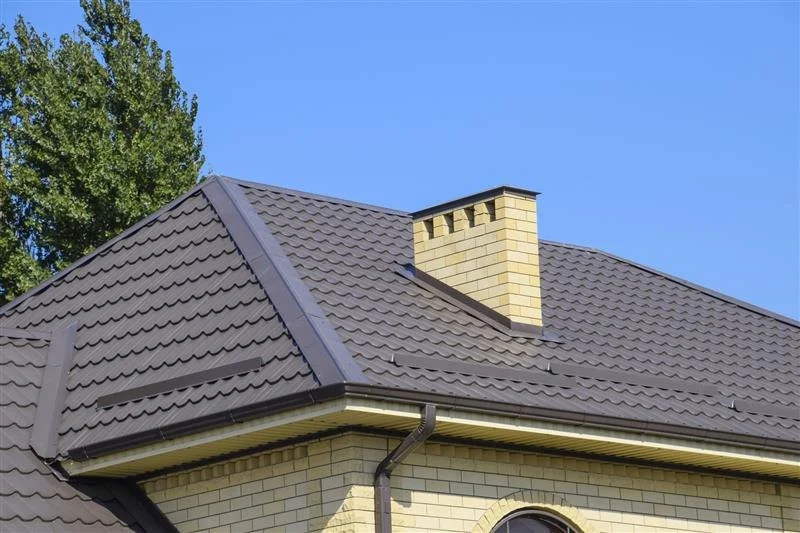
When it comes to roofing, a metal roof is known for its long-lasting durability and energy efficiency. But how much can you actually save with a metal roof over its lifespan? In Canada, where harsh weather conditions are common, the savings potential of a metal roof can be significant. From reduced energy costs to fewer repairs, a metal roof is a wise investment for homeowners looking for long-term savings.
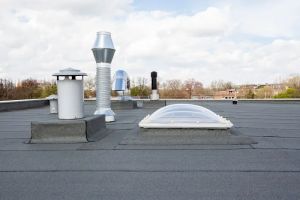
Flat Roofs Toronto / flat roof repair toronto
1420 Dupont St, Toronto, ON M6H 0C2, Canada
1.1. The Initial Investment
While the initial cost of a metal roof can be higher than traditional roofing materials, the savings over time can more than make up for this difference. This article breaks down the long-term financial benefits and shows how the durability of metal roofs can save you money in the long run.
Custom Contracting Burlington Roofing & Eavestrough Repair Burlington / eavestrough burlington
BurlingtonRegional Municipality of HaltonOntario
687 Waterloo St, Burlington, ON L7R 2S9, Canada
2. Upfront Costs of a Metal Roof
One of the primary considerations when deciding whether to install a metal roof is the upfront cost. On average, metal roofing can cost between $5 to $12 per square foot, depending on the material, style, and installation complexity. This is higher than asphalt shingles, which typically range from $2 to $5 per square foot.
2.1. Factors Influencing the Cost
The cost of a metal roof can vary based on several factors, including:
- Type of metal (steel, aluminum, copper, etc.)
- Roof design and complexity
- Installation labor costs in your area
2.2. Is the Upfront Cost Worth It?
Though the upfront cost is higher, metal roofs have a much longer lifespan (up to 50+ years) compared to asphalt shingles (15-25 years). This extended lifespan significantly reduces the need for frequent replacements, making the initial investment worthwhile in the long term.
3. Long-Term Savings with a Metal Roof
While the initial cost may be higher, a metal roof offers substantial savings over its lifetime. The key to understanding these savings lies in the roof's durability and minimal maintenance needs. Here’s a breakdown of how metal roofing can help you save money over time:
3.1. Reduced Maintenance Costs
Metal roofs require far less maintenance than traditional roofing materials. Asphalt shingles, for example, may need repairs every few years due to cracking, curling, or wind damage. Metal roofs, on the other hand, are resistant to these issues, which reduces repair costs.
3.2. Longevity and Replacement Costs
With a lifespan of 40 to 70 years, metal roofs can last two to three times longer than asphalt shingles. This longevity reduces the frequency and cost of roof replacements, which can be quite expensive.
4. Durability and Maintenance of Metal Roofs
One of the major advantages of metal roofs is their exceptional durability. Unlike asphalt, wood, or clay, metal roofs are built to withstand extreme weather conditions, including heavy snow, hail, and high winds. In Canada, where these weather conditions are common, a metal roof offers significant advantages in terms of longevity and resilience.
4.1. Resistance to Harsh Weather
Metal roofs are fire-resistant and can handle extreme temperatures without degrading. They are also resistant to mold, mildew, and rot, which can be an issue for other roofing materials exposed to moisture over time.
4.2. Low Maintenance Requirements
Once installed, metal roofs require minimal maintenance. Periodic inspections and the occasional cleaning of debris or leaves are all that is necessary to keep the roof in good condition. This low-maintenance requirement translates to lower long-term costs.
5. How Metal Roofs Save on Energy Costs
Metal roofs are highly reflective, which means they can help keep your home cooler in the summer. This energy-efficient feature can result in lower air conditioning costs, especially in warmer months. Here’s how metal roofs contribute to energy savings:
5.1. Reflective Coating
Many metal roofs come with a reflective coating that helps deflect heat from the sun, keeping the attic and home cooler. This reduces the need for air conditioning and can lower cooling costs by up to 25% during the hottest months of the year.
5.2. Insulation Benefits
In addition to reflecting heat, metal roofs also provide insulation, helping to retain heat during winter months. This makes them an excellent choice for energy efficiency year-round, which can reduce heating costs in colder climates like Canada.
6. Return on Investment (ROI) with a Metal Roof
When it comes to roofing investments, the ROI for a metal roof is higher compared to traditional materials. According to studies, homeowners who install metal roofs can expect to recover 60-85% of the installation cost upon selling their home. In other words, the upfront cost is likely to be recouped over time, especially when combined with the energy savings and reduced maintenance costs.
6.1. Increased Home Value
A metal roof can increase the resale value of your home. Potential buyers recognize the benefits of a durable, energy-efficient, and low-maintenance roof, making it an attractive feature when selling your property.
6.2. Cost-Effective in the Long Run
While the initial cost is higher, the long-term financial benefits of a metal roof—coupled with its durability and energy efficiency—make it an investment that pays off in the years to come.
7. How to Choose the Right Metal Roofing
When selecting a metal roof for your home, there are several options to consider. The type of metal, coating, and style can affect both the appearance and performance of your roof. Here are some tips for choosing the best metal roofing for your needs:
7.1. Consider the Climate
Different metal roofing materials perform better in certain climates. For example, aluminum is highly resistant to corrosion and is ideal for coastal areas, while steel is great for areas with heavy snowfall.
7.2. Roofing Style and Aesthetics
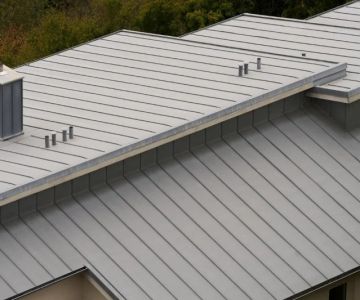
Metal roofs come in a variety of styles, including standing seam, corrugated panels, and shingles. Consider the aesthetic of your home and the desired look when choosing the type of metal roofing.
If you’re looking for high-quality metal roofing solutions, visit Pickering Roofing for the best products and expert installation services.
 Mr. Roofing & Siding5.0 (7 reviews)
 Toiture Royale Expert Inc.4.0 (33 reviews)
 Go2Guys4.0 (156 reviews)
 Rocon Construction5.0 (4 reviews)
 Deluxe Roofing5.0 (4 reviews)
 Rycon Roofing5.0 (1 reviews)
 How Much Does a New Roof Cost in 2025? Canadian Roofing Price Guide
 Top Signs Your Roof Has a Leak and What to Do About It in Canada
 Can You Install a New Roof Over an Old One in Canada?
 The Top Questions to Ask Before Hiring a Roofer in Canada
 What Are the Most Common Roofing Scams and How to Avoid Them in Canada
 How to Prepare Your Home for a Roofing Project in Canada