
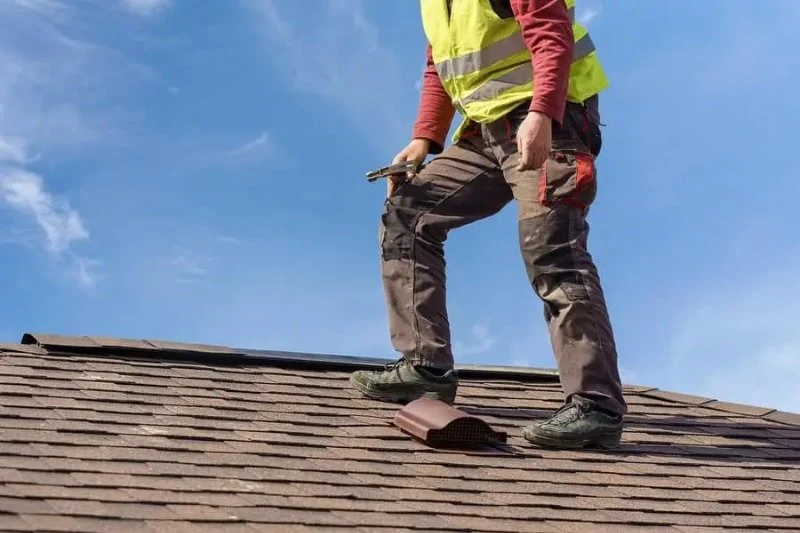
How Often Should You Have Your Roof Inspected?
- 1 - The Importance of Regular Roof Inspections
- 2 - Recommended Frequency for Roof Inspections
- 3 - Signs You Need an Immediate Roof Inspection
- 4 - Roof Inspection Based on Different Roofing Materials
- 5 - How Weather Affects Roof Inspections
- 6 - How to Choose a Trusted Roofing Expert
1 - The Importance of Regular Roof Inspections
Roof inspections are essential to maintain the integrity and longevity of your roof. Regular inspections allow you to identify and address issues before they escalate, saving you money on major repairs. Whether you're a homeowner or a business owner, roof maintenance is crucial to protecting your investment. By inspecting your roof periodically, you can catch small problems early, such as leaks, damaged shingles, or mold growth, which might otherwise go unnoticed until they lead to costly damage.
2 - Recommended Frequency for Roof Inspections
The frequency of roof inspections depends on various factors such as the age of your roof, the material used, and the climate of your region. Here are general recommendations for how often you should have your roof inspected:
- For New Roofs: If your roof is less than 5 years old, a full inspection every 2-3 years should suffice. However, it's still important to check for minor issues after storms or harsh weather conditions.
- For Older Roofs: Roofs older than 5 years should be inspected annually to ensure any wear and tear is addressed before it leads to significant damage.
- Post-Storm Inspections: After severe weather events such as hail, high winds, or heavy snow, it's advisable to have your roof inspected, regardless of its age.
By sticking to a regular inspection schedule, you can proactively address issues and extend the life of your roof.
Atlas-Apex Roofing Inc. / atlas apex toronto
65 Disco Rd, Etobicoke, ON M9W 1M2, Canada
3 - Signs You Need an Immediate Roof Inspection
While regular inspections are essential, there are signs that indicate an immediate roof inspection is necessary. These include:
- Visible Damage: Missing shingles, cracks, or holes in the roof can allow water to seep in and cause structural damage.
- Leaks Inside the Home: If you notice water stains or leaks inside your home, this is a clear indication of a roof problem that needs immediate attention.
- Damaged Flashing: Flashing around chimneys, vents, or skylights can deteriorate, allowing water to enter, which may lead to serious issues.
- Excessive Granule Loss: If you notice large amounts of granules from your asphalt shingles in your gutters, it could be a sign that your shingles are wearing out.
If you observe any of these signs, it's important to have a professional inspect your roof to prevent further damage.
4 - Roof Inspection Based on Different Roofing Materials
The type of roofing material you have can impact the inspection process. Different materials require different types of maintenance and inspection:
- Asphalt Shingles: Commonly used in Canada, asphalt shingles should be inspected for curling, cracking, or missing shingles.
- Metal Roofing: Metal roofs are durable, but inspections should check for rust, leaks, and loose fasteners.
- Wood Shingles: Wood roofs require special attention to moss or algae growth, and regular inspections can help detect damage from pests.
- Slate Roofs: Slate roofs are very durable but need to be checked for broken or slipped tiles and issues with the underlayment.
Tailoring the inspection process based on your roofing material ensures you address specific potential issues that can arise with each type.
5 - How Weather Affects Roof Inspections
In Canada, weather can have a significant impact on the condition of your roof. Different seasons bring unique challenges for roofing systems:
- Winter: Snow and ice can cause damage to your roof, including ice dams, which can lead to leaks. It's crucial to inspect for these issues before winter sets in.
- Spring: The thawing of ice and snow can expose vulnerabilities in your roof. Spring is a great time to inspect for any hidden damage caused by the winter weather.
- Summer: The heat from the sun can cause roofing materials to expand and contract, which may lead to wear over time. Ensure your roof can handle the summer temperatures and UV rays.
- Fall: Fallen leaves and debris can accumulate in gutters and cause blockages, leading to water pooling and potential damage to your roof. A pre-winter inspection ensures everything is clear.
Weather conditions can exacerbate existing roof issues, so it’s important to inspect your roof at the start and end of each season to ensure it's in good condition.
6 - How to Choose a Trusted Roofing Expert
When it's time for a roof inspection or repair, it’s essential to hire a reputable roofing expert. Here’s how to find the right professional:
- Verify Credentials: Ensure the contractor is licensed and insured to perform roofing work in your area.
- Read Reviews: Check online reviews and ask for references to ensure the contractor has a good track record of quality work.
- Get Multiple Estimates: Always get at least three estimates from different contractors to ensure you're getting a fair price.
- Experience and Specialization: Choose a contractor with experience in your type of roofing material to ensure specialized knowledge and expertise.
Choosing the right professional ensures the job is done properly, and you’ll have peace of mind knowing your roof is in safe hands.
Regular roof inspections are essential for maintaining the integrity of your home. By addressing issues early, you can avoid costly repairs and ensure your home stays protected for years to come. If you’re in need of a roofing expert, visit Pickering Roofing to find the best services for your roof inspection needs.
 Advantage Homes Roofing & Masonry5.0 (1 reviews)
 Golden Horseshoe Construction Corp5.0 (7 reviews)
 Enviro-Green Moss Removal & Roof Cleaning4.0 (7 reviews)
 T DOT Roofers Inc5.0 (41 reviews)
 Helios Roofing and Waterproofing Ltd.3.0 (3 reviews)
 Advanced Flat Roof Systems5.0 (19 reviews)
 How Much Does a New Roof Cost in 2025? Canadian Roofing Price Guide
 Top Signs Your Roof Has a Leak and What to Do About It in Canada
 Can You Install a New Roof Over an Old One in Canada?
 The Top Questions to Ask Before Hiring a Roofer in Canada
 What Are the Most Common Roofing Scams and How to Avoid Them in Canada
 How to Prepare Your Home for a Roofing Project in Canada