
How Residential Roofs Are Adapting to Climate Change in Canada
- The Impact of Climate Change on Residential Roofs in Canada
- Adapting Roof Materials for Canadian Homes
- The Rise of Green Roofs in Canada
- The Future of Roofing in Response to Climate Change
- Find Expert Roofing Solutions at Pickering Roofing
The Impact of Climate Change on Residential Roofs in Canada
Climate change is causing more extreme weather events in Canada, including hotter summers, heavier rainfall, and harsher winters. These changes put significant pressure on residential roofs, as they need to withstand the increased frequency and severity of these weather conditions. In particular, Canadian homeowners are seeing more damage from storms, ice dams, and extreme temperature fluctuations that affect roof performance and longevity.
As the climate continues to shift, traditional roofing materials are being put to the test. In response, many Canadians are turning to more resilient and sustainable roofing solutions that can handle the challenges of a changing climate. From stronger materials to eco-friendly roofing options, Canadian homes are increasingly adopting new strategies to protect their roofs and improve energy efficiency.

Custom Contracting Burlington Roofing & Eavestrough Repair Burlington / eavestrough burlington
BurlingtonRegional Municipality of HaltonOntario
687 Waterloo St, Burlington, ON L7R 2S9, Canada
Adapting Roof Materials for Canadian Homes
One of the most significant ways that residential roofs are adapting to climate change is through the use of new roofing materials. Homeowners are now opting for materials that are more durable, energy-efficient, and capable of withstanding extreme weather conditions. Here are some of the most common roofing materials being used in Canada today:
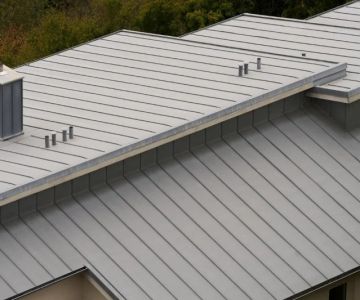
- Metal Roofing: Metal roofing has become increasingly popular in Canada due to its durability and ability to withstand heavy snow and high winds. Unlike traditional asphalt shingles, metal roofs reflect heat, which helps to keep homes cooler in the summer and reduces the risk of ice dams during the winter.
- Clay and Concrete Tiles: These materials are known for their longevity and resilience. They are highly resistant to both high winds and fire, making them an ideal choice for regions prone to wildfires or extreme weather.
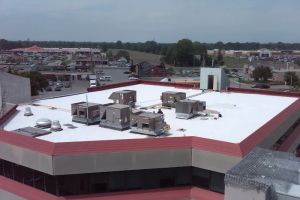
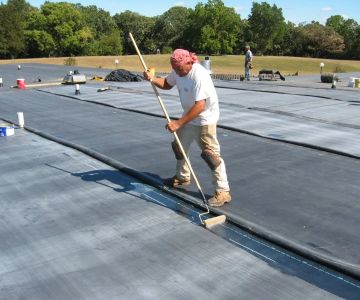
- Rubber Roofing: Made from recycled materials, rubber roofing is a sustainable and durable option for flat roofs. It is highly resistant to water damage, which is important in areas with heavy rainfall or melting snow.
- Asphalt Shingles with Upgraded Technology: While traditional asphalt shingles are still commonly used, new innovations in asphalt technology have improved their resistance to high winds, UV damage, and extreme temperatures, making them a more reliable option for changing climates.
By choosing the right roofing material, Canadian homeowners can ensure their roofs perform better and last longer, even under more extreme weather conditions.
Horizon Roofing Ltd / horizon roofing
3735 Cabana Road E, Windsor, ON N8V 0A5, Canada
The Rise of Green Roofs in Canada
Green roofs, which involve planting vegetation on the roof’s surface, have become a sustainable solution for homes across Canada. These roofs provide multiple benefits, including improved insulation, stormwater management, and a reduction in the urban heat island effect. By absorbing rainwater and providing natural cooling, green roofs help reduce the strain on traditional roofing materials and contribute to overall environmental sustainability.
In cities like Toronto and Vancouver, green roofs are being encouraged through incentives and legislation, reflecting the growing interest in environmentally friendly building practices. Green roofs also enhance the aesthetic value of a property, offering homeowners a unique way to contribute to the fight against climate change while creating a green space on their rooftops.
The Future of Roofing in Response to Climate Change
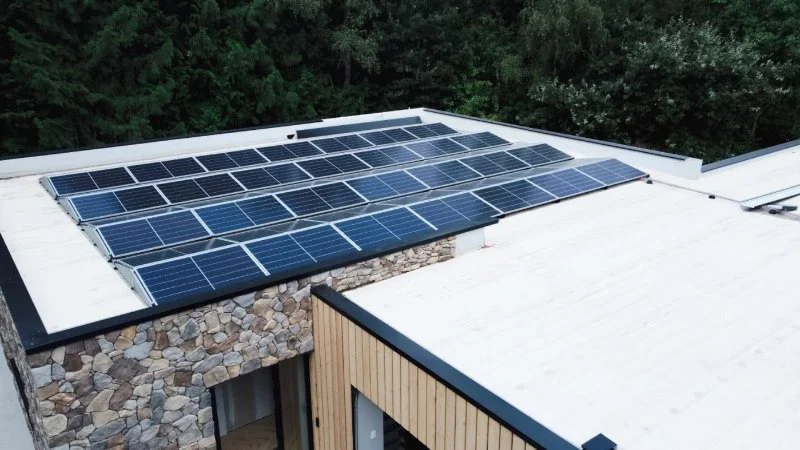
As climate change continues to impact weather patterns, roofing technology is expected to evolve further. Future roofing solutions may involve even more innovative materials, such as solar roofing tiles that generate electricity or cool roofing technologies that reflect more sunlight to reduce the need for air conditioning. Advances in energy-efficient designs and better insulating materials will help homeowners reduce their carbon footprint and save on energy costs.
Additionally, the integration of smart roofing systems that monitor temperature, humidity, and weather conditions could become more common. These systems would allow homeowners to make real-time adjustments to their roof’s performance, ensuring it can adapt to changing weather conditions and reduce the risk of damage.
Find Expert Roofing Solutions at Pickering Roofing
If you are looking to upgrade your roof to better withstand the effects of climate change, visit Pickering Roofing. We offer a wide range of roofing solutions tailored to the unique challenges of Canadian homes, including metal roofing, green roof installations, and energy-efficient materials. Our expert team is here to help you choose the best roofing option to suit your needs and budget.
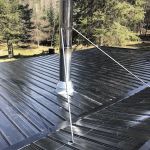 Appleton Steel Roofing4.0 (16 reviews)
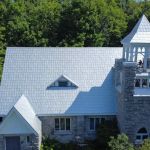 Rydel Roofing in Ottawa4.0 (123 reviews)
 Detail Roofing4.0 (25 reviews)
 Couvreurs Raymond Cormier4.0 (11 reviews)
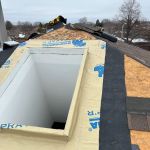 The Roof Technician Oakville - Roof Repairs - Flat Roofing - Skylights4.0 (11 reviews)
 Forever roofing Inc.4.0 (41 reviews)
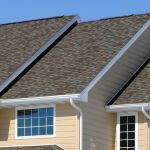 How Much Does a New Roof Cost in 2025? Canadian Roofing Price Guide
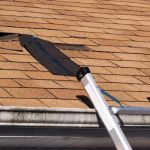 Top Signs Your Roof Has a Leak and What to Do About It in Canada
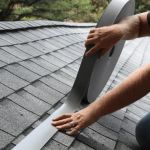 Can You Install a New Roof Over an Old One in Canada?
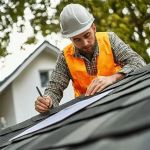 The Top Questions to Ask Before Hiring a Roofer in Canada
 What Are the Most Common Roofing Scams and How to Avoid Them in Canada
 How to Prepare Your Home for a Roofing Project in Canada