
How Roof Deck Ventilation Affects Moisture & Mold Under Roof
- 1. Understanding Roof Deck Ventilation
- 2. The Role of Ventilation in Moisture Control
- 3. How Poor Ventilation Leads to Mold Problems
- 4. Tips for Proper Roof Deck Ventilation
- 5. When to Call a Professional Roofer
1. Understanding Roof Deck Ventilation
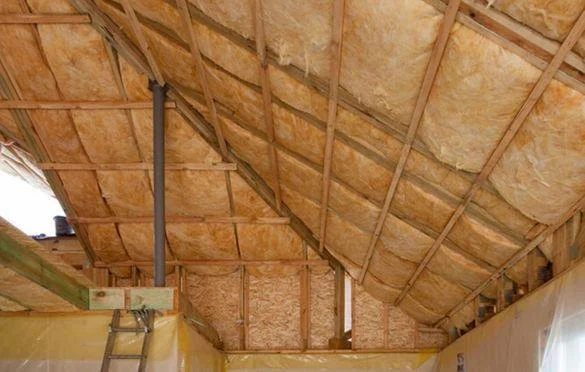
Proper roof deck ventilation is a crucial element in maintaining a healthy roofing system. It ensures the free flow of air between the attic and the outside environment. This air movement regulates temperature and humidity levels, preventing a variety of issues, including mold and moisture accumulation under your roof. Adequate ventilation helps prevent the buildup of hot and moist air, which can lead to the degradation of roofing materials and the formation of mildew and mold.
Edmonton Roofing Company / replace roof edmonton
8023 182 St NW, Edmonton, AB T5T 0T6, Canada
2. The Role of Ventilation in Moisture Control
Moisture control is one of the primary functions of roof deck ventilation. When warm, moist air from inside the home rises into the attic, it can condense on cold surfaces, leading to significant moisture buildup. Without proper ventilation, this trapped moisture becomes the perfect environment for mold growth. A well-ventilated roof deck allows moisture to escape, maintaining a dry and healthy environment in the attic, preventing costly damage and health risks associated with mold exposure.
Toitures Garant et Frères Inc / toiture garant
LévisChaudière-AppalachesQuébec
6615 Rue Alfred-Pellan, Lévis, QC G6V 9S9, Canada
3. How Poor Ventilation Leads to Mold Problems
Without proper roof deck ventilation, excess moisture can accumulate on roofing materials and wooden beams, especially during the colder months. This trapped moisture promotes the growth of mold and mildew, which can weaken the structural integrity of your roof over time. Mold growth not only damages the wood but also negatively impacts indoor air quality, potentially causing health problems such as allergies or respiratory issues. If left untreated, the mold can spread, leading to expensive repairs and renovations.
4. Tips for Proper Roof Deck Ventilation
Ensuring your roof is properly ventilated can prevent moisture and mold problems. Here are some tips:
- Ensure balanced ventilation: Install both intake vents at the eaves and exhaust vents at the ridge of the roof to allow for the free flow of air.
- Maintain attic insulation: Proper insulation keeps warm air from reaching the roof deck, reducing the likelihood of condensation forming.
- Use vapor barriers: Installing vapor barriers in the attic can prevent moisture from entering the space and promote a dry environment.
- Regularly inspect your roof: Look for signs of inadequate ventilation, such as dark stains on the underside of your roof or musty odors in the attic.
5. When to Call a Professional Roofer
If you're unsure about the condition of your roof's ventilation or suspect moisture or mold issues, it’s important to contact a professional roofer. Experts can assess your roof's ventilation system, identify any weaknesses, and recommend the necessary repairs or improvements to prevent further damage. Timely intervention can save you money in the long run by preventing serious issues like structural damage or mold infestation.
For expert roofing services and advice on roof deck ventilation, visit Pickering Roofing to learn more about how we can help protect your home.

 H&Y Roofing and Contracting Inc.5.0 (5 reviews)
 Toiture Cyclone Expert - Couvreur Lévis5.0 (45 reviews)
 West group roofing5.0 (10 reviews)
 ANJCO ROOFING LTD4.0 (11 reviews)
 Toitpro5.0 (22 reviews)
 Libra Envelope Metal Shop5.0 (1 reviews)
 How Much Does a New Roof Cost in 2025? Canadian Roofing Price Guide
 Top Signs Your Roof Has a Leak and What to Do About It in Canada
 Can You Install a New Roof Over an Old One in Canada?
 The Top Questions to Ask Before Hiring a Roofer in Canada
 What Are the Most Common Roofing Scams and How to Avoid Them in Canada
 How to Prepare Your Home for a Roofing Project in Canada