
- 1-Introduction
- 2-Importance of Roof Design for Comfort
- 3-How Roofing Design Impacts Indoor Temperature
- 4-Choosing the Right Roofing Materials
- 5-Roof Insulation and Ventilation
- 6-Roof Design Tips for Seasonal Comfort
- 7-Conclusion
1. Introduction
When it comes to ensuring comfort in your home, the roof plays a more significant role than many homeowners realize. While we often focus on heating and cooling systems to control indoor temperatures, roof design can greatly impact the effectiveness of these systems. Proper roofing can help regulate your home’s temperature, improve energy efficiency, and provide comfort year-round. In this article, we’ll explore how roof design affects indoor comfort in both summer and winter and offer tips on how you can optimize your roof for maximum comfort and energy savings.

Flynn Canada Ltd. - Ottawa / flynn ottawa
1655 Comstock Rd, Gloucester, ON K1B 5L2, Canada
2. Importance of Roof Design for Comfort
Roof design isn’t just about aesthetics; it plays a crucial role in how comfortable your home is throughout the seasons. A well-designed roof can help regulate your indoor temperature by keeping warm air in during the winter and out during the summer. It also helps prevent drafts, leaks, and other issues that can affect indoor comfort. Let’s dive into why roof design is so important for comfort and energy efficiency.
Lansard Bros Roofing Ltd / lansard roofing
50 Don Valley Pkwy, Sunnyside, MB R5R 0C9, Canada
2.1 Seasonal Temperature Control
One of the primary functions of a roof is to provide protection from the elements. During summer, the roof helps block the sun’s rays from directly heating your home, while in winter, it prevents heat from escaping. By ensuring that your roof is designed to meet the challenges of both seasons, you can maintain a stable and comfortable indoor climate year-round without relying too heavily on air conditioning or heating systems.
2.2 Reducing Energy Costs
A well-designed roof can significantly reduce your home’s energy consumption. By controlling the flow of heat and cold, your roof can help your heating and cooling systems work more efficiently. This leads to lower utility bills and a more sustainable home. Insulated roofing systems and proper ventilation can further enhance your roof’s ability to maintain comfortable temperatures inside your home.
3. How Roofing Design Impacts Indoor Temperature
Roofing design is a key factor in how your home manages temperature. The materials used, the roof’s shape, and the overall construction all play a role in regulating the temperature inside your home. Let’s explore how different aspects of roof design can impact indoor comfort.
3.1 Roof Shape and Structure
The shape and structure of your roof can affect how well it traps heat or allows it to escape. For example, a steeply pitched roof may allow for better air circulation, preventing heat from accumulating in the attic. On the other hand, a flat roof may be prone to heat buildup in the summer but can offer better insulation during the winter if properly designed.
3.2 Reflective Roofing Materials
The type of roofing material you choose can have a major impact on your home’s energy efficiency. Reflective materials such as cool roofs or light-colored shingles reflect sunlight, which helps keep the interior of your home cooler during hot summer months. These materials can lower cooling costs by preventing excess heat from entering your living space.
4. Choosing the Right Roofing Materials
The materials used for your roof play a pivotal role in regulating temperature and ensuring energy efficiency. Here are some popular options to consider:
4.1 Asphalt Shingles
Asphalt shingles are a cost-effective and versatile roofing option. While they don’t offer the highest level of energy efficiency, upgrading to energy-efficient shingles with reflective coatings can help reduce heat absorption in the summer. These shingles can also help retain warmth during colder months if paired with adequate insulation.
4.2 Metal Roofing
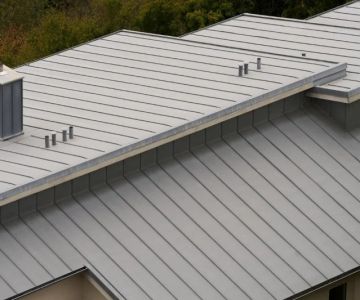
Metal roofs are highly reflective and provide excellent protection against heat in the summer. They can also be designed with added insulation, making them ideal for maintaining indoor comfort throughout the year. Metal roofs are particularly popular in regions with extreme weather conditions due to their durability and energy-efficient properties.
4.3 Tile Roofing
Clay and concrete tiles are popular for their aesthetic appeal and longevity. These materials are highly effective at insulating your home and keeping temperatures stable. They allow for better airflow and reduce the amount of heat transferred into your home, making them ideal for both hot and cold climates.
5. Roof Insulation and Ventilation
Insulation and ventilation are key factors in maintaining optimal indoor comfort and energy efficiency. A well-insulated roof will keep the heat inside during the winter and block out unwanted heat during the summer. Proper ventilation helps prevent the buildup of moisture and heat in the attic, reducing the risk of mold growth and improving air quality. Together, insulation and ventilation create a balanced environment for your home.
5.1 Insulation Materials
There are various insulation materials available, including fiberglass, foam, and cellulose. The type of insulation you choose will depend on your roof’s structure and the level of climate control you want to achieve. For maximum effectiveness, ensure that the insulation is installed correctly to prevent heat transfer and reduce energy consumption.
5.2 Ventilation Systems
Proper ventilation, such as ridge vents, soffit vents, and attic fans, helps regulate temperature and moisture levels in your attic. By allowing hot air to escape and cooler air to enter, ventilation helps prevent your attic from overheating in the summer and ensures that heat is retained in the winter, contributing to overall energy savings and comfort.
6. Roof Design Tips for Seasonal Comfort
Now that we’ve covered the basics of how roof design can affect indoor comfort, here are some tips to optimize your roof for better temperature regulation throughout the year:
6.1 Choose Energy-Efficient Materials
Select roofing materials that are energy-efficient and provide adequate insulation. Cool roofs, reflective shingles, and metal roofs can help maintain a comfortable indoor temperature while reducing energy bills.
6.2 Install Proper Insulation
Invest in high-quality insulation for your roof to prevent heat loss during the winter and heat buildup in the summer. Proper insulation is a cost-effective way to improve energy efficiency and enhance indoor comfort.
6.3 Ensure Proper Ventilation
Ensure that your roof is equipped with proper ventilation systems to promote airflow and prevent moisture buildup. This will not only keep your attic cool but also protect your roof from damage caused by trapped heat and humidity.
7. Conclusion
Roof design plays a crucial role in regulating indoor temperatures and enhancing comfort in both summer and winter. By choosing the right materials, ensuring proper insulation and ventilation, and considering the shape of your roof, you can create a more energy-efficient and comfortable living space. For optimal results, work with a professional roofing contractor to select and install the best roofing system for your home.
To learn more about roof design and improvements for your home, visit Pickering Roofing for expert advice and quality roofing solutions in Canada.
 Peterborough Roofing0.0 (0 reviews)
 Frank merci5.0 (27 reviews)
 Ravco | Services de peinture, étanchéité de toiture et pose d'enduit4.0 (17 reviews)
 Urgences Toiture - Réparation Toiture5.0 (29 reviews)
 Windsor Roofing Services0.0 (0 reviews)
 Roof Repair Man | Toronto.0.0 (0 reviews)
 How Much Does a New Roof Cost in 2025? Canadian Roofing Price Guide
 Top Signs Your Roof Has a Leak and What to Do About It in Canada
 Can You Install a New Roof Over an Old One in Canada?
 The Top Questions to Ask Before Hiring a Roofer in Canada
 What Are the Most Common Roofing Scams and How to Avoid Them in Canada
 How to Prepare Your Home for a Roofing Project in Canada