
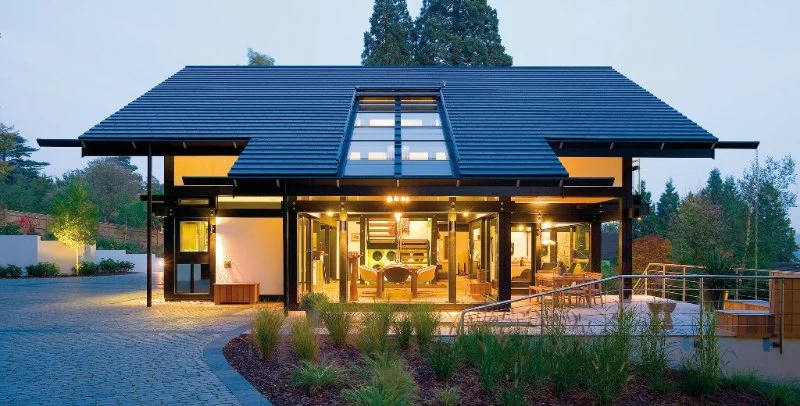
How Roof Designs Are Being Influenced by Prefab & Modular Homes
- 1. Introduction to Roof Design Trends in Modular Homes
- 2. Understanding Prefab & Modular Homes
- 3. How Roof Designs Are Being Influenced by Modular Homes
- 4. Roofing Materials for Prefab Homes
- 5. The Future of Roofing Design in Modular Homes
- 6. Conclusion: The Changing Landscape of Roof Design
1. Introduction to Roof Design Trends in Modular Homes
Roof design plays a crucial role in the overall aesthetics, functionality, and energy efficiency of any home. In the case of prefab and modular homes, roof designs are increasingly being influenced by the need for cost-efficiency, ease of installation, and sustainability. In this article, we will explore how these factors are shaping roof designs for modular homes in Canada, offering insights into the latest trends, materials, and technologies that are revolutionizing this sector.
Best Roofer & Renovation / best roofing toronto
2967 Dundas St W #1584, Toronto, ON M6P 1Z2, Canada
2. Understanding Prefab & Modular Homes
Prefab (pre-fabricated) and modular homes are factory-built structures that are assembled on-site, offering a more efficient alternative to traditional homebuilding. These homes are constructed in sections or modules, which are then transported and assembled at the desired location. Because of their factory-based construction, modular homes offer numerous advantages such as faster build times, cost savings, and higher quality control. These homes are becoming an increasingly popular choice for homeowners looking for sustainable and affordable housing solutions.
Lansard Bros Roofing Ltd / lansard roofing
50 Don Valley Pkwy, Sunnyside, MB R5R 0C9, Canada
3. How Roof Designs Are Being Influenced by Modular Homes
The integration of modular and prefab homes has led to several innovations in roofing designs. These designs are evolving to accommodate the unique characteristics of modular construction, including the need for easy transportation, rapid assembly, and durability. Some key influences include:
- Flat Roofs: Many modular homes now feature flat roofs to facilitate easier transport and ensure compactness during shipping. Flat roofs are also practical for modern designs and offer more usable space for solar panels or green roofs.
- Asymmetrical Rooflines: As modular homes become more customizable, unique rooflines, such as asymmetrical or angled designs, are being integrated to make the home’s exterior more visually striking while providing structural integrity.
- Energy-Efficiency: Roofs are being designed with energy-saving features, such as better insulation and reflective materials, to reduce energy consumption in modular homes. This is crucial as sustainability becomes a top priority for many homeowners.
4. Roofing Materials for Prefab Homes
The materials used in roofing for modular homes are evolving to meet the demands of energy efficiency, durability, and cost-effectiveness. Here are some materials being commonly used:
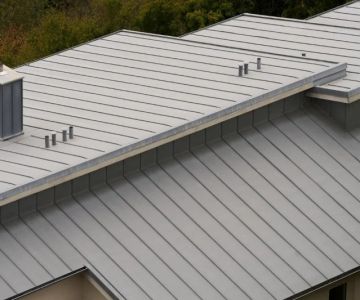
- Metal Roofing: Metal roofs are becoming increasingly popular in modular home design because of their durability, longevity, and energy efficiency. They are ideal for homes in harsh climates and can withstand severe weather conditions.
- Asphalt Shingles: A more affordable option, asphalt shingles are often used in modular homes for their ease of installation, low cost, and variety of aesthetic options.
- Eco-Friendly Materials: With growing concerns about sustainability, roofing materials like recycled shingles, cool roofing, and even green roofs (which are designed to support plant life) are gaining popularity in modular home designs.
5. The Future of Roofing Design in Modular Homes
Looking forward, we can expect to see continued advancements in roofing design for modular homes. Innovations will likely focus on enhancing energy efficiency, sustainability, and aesthetic appeal. Some potential future trends include:
- Solar-Powered Roofs: The integration of solar panels into roofs is expected to become more common in modular homes as homeowners seek to reduce energy costs and minimize their environmental footprint.
- Smart Roofs: Technology integration will play a key role, with smart roofs that regulate temperature, monitor structural integrity, and enhance comfort through advanced materials.
- Green Roofs: As environmental awareness continues to rise, green roofs—roofs covered with vegetation—could become a standard feature in modular homes, providing better insulation and contributing to local biodiversity.
6. Conclusion: The Changing Landscape of Roof Design
As modular and prefab homes continue to rise in popularity in Canada, the influence of these homes on roof design is undeniable. From flat roofs to energy-efficient materials, modular homes are pushing the boundaries of traditional roof designs. Looking ahead, the future of roofing for these homes is likely to include more sustainable, smart, and customizable options, aligning with broader trends toward energy efficiency and environmental responsibility. Whether you’re looking to build a modular home or simply interested in the latest architectural trends, staying informed about roofing innovations is key to making the best choices for your needs.
 The Roofer's Son Inc.5.0 (1 reviews)
 Elements North Roofing & Exterior Solutions5.0 (6 reviews)
 Wolfe Exteriors Inc5.0 (6 reviews)
 Toitures Garant et Frères Inc5.0 (3 reviews)
 Nor Star Aluminum & Vinyl Products4.0 (42 reviews)
 Couvreur La Releve5.0 (1 reviews)
 How Much Does a New Roof Cost in 2025? Canadian Roofing Price Guide
 Top Signs Your Roof Has a Leak and What to Do About It in Canada
 Can You Install a New Roof Over an Old One in Canada?
 The Top Questions to Ask Before Hiring a Roofer in Canada
 What Are the Most Common Roofing Scams and How to Avoid Them in Canada
 How to Prepare Your Home for a Roofing Project in Canada