
- How Roof Designs Can Reduce Roof Snow Weight & Ice Build-up
- 1. Understanding Roof Snow Load and Ice Build-up
- 2. The Importance of Effective Roof Design
- 3. Roof Designs That Help Reduce Snow Weight
- 4. Preventing Ice Dams and Ice Build-up
- 5. Case Studies of Effective Roof Designs in Snowy Regions
- 6. Explore Roofing Solutions with Pickering Roofing
How Roof Designs Can Reduce Roof Snow Weight & Ice Build-up
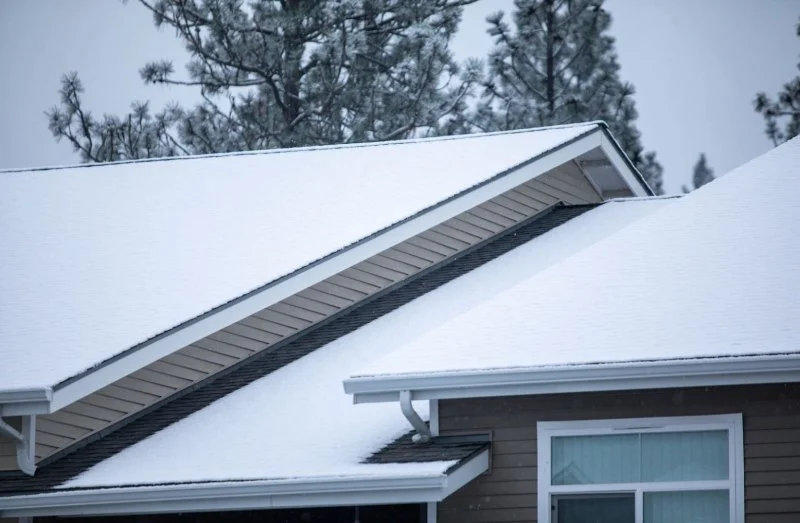
In Canada, heavy snow and ice build-up during the winter months can cause significant stress on roofs, leading to structural damage, leaks, and expensive repairs. Fortunately, the design of a roof plays a critical role in minimizing snow weight and preventing ice build-up. In this article, we explore how different roof designs can help mitigate these common winter issues, ensuring the long-term safety and durability of your home.
1. Understanding Roof Snow Load and Ice Build-up
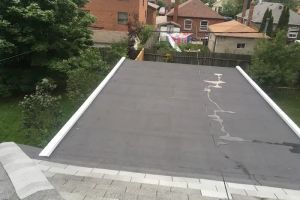
Roof snow load refers to the weight of the snow resting on a roof, while ice build-up occurs when melted snow refreezes in the eaves and gutters, causing blockages and damage. Both factors can compromise the integrity of your roof if not properly managed.
Vancouver Moss Removal / moss removal north vancouver
VancouverMetro VancouverBritish Columbia
1615 Frances St #105, Vancouver, BC V5L 1Z3, Canada
1.1. The Risk of Excessive Snow Weight
Accumulating snow can exert tremendous pressure on a roof. When snow is compacted by additional layers or ice, it can quickly reach weights that many roofs are not designed to support. The risk of collapse or structural damage increases with the accumulation of snow, especially on roofs with poor drainage.
1.2. The Dangers of Ice Build-up
Ice build-up, particularly in the form of ice dams, occurs when snow melts on the upper parts of the roof but refreezes near the eaves. This trapped water can seep under roofing materials, leading to leaks and water damage inside the home. Over time, ice dams can also cause gutters to detach, leading to additional costs for repairs.
2. The Importance of Effective Roof Design
An effective roof design takes into account the unique challenges posed by winter weather. By considering the climate and snow load requirements specific to your region, you can minimize the risk of snow-related damage and ensure your roof remains functional and safe throughout the winter months.
2.1. Proper Slope and Pitch
One of the most important factors in roof design is the slope or pitch of the roof. A steeply pitched roof allows snow and ice to slide off more easily, reducing the risk of excessive snow load. Roofs with a low pitch, on the other hand, may retain snow and ice, increasing the chance of build-up and damage.
2.2. Ventilation and Insulation
Proper roof ventilation and insulation are essential to preventing ice build-up. A well-ventilated attic helps regulate the temperature of the roof, preventing snow from melting and refreezing at the eaves. Insulation keeps the roof surface cold, preventing the heat from the house from causing melting snow to refreeze in the gutters.
3. Roof Designs That Help Reduce Snow Weight
Some roof designs are better suited to handle heavy snow loads than others. Certain architectural features can help reduce the impact of snow accumulation, making the roof safer and more durable in winter conditions.
3.1. Gable Roofs
Gable roofs are one of the best designs for snow management. The steep slope of the roof encourages snow to slide off naturally, preventing heavy snow from accumulating. This design is commonly used in areas with heavy snowfall, as it provides an efficient way to manage snow weight.
3.2. Shed Roofs
Shed roofs, with their single slope, are also effective in snow shedding. They allow snow to slide off more easily, especially when paired with appropriate materials and insulation. However, shed roofs should be designed with sufficient pitch to handle large amounts of snow.
3.3. Hip Roofs
Hip roofs are another great option for snow management. These roofs slope downwards on all four sides, making it more difficult for snow to accumulate. While they can be more expensive to build, hip roofs provide excellent performance in areas prone to heavy snowfalls.
4. Preventing Ice Dams and Ice Build-up
Ice dams are a common problem for homeowners in regions with cold winters. Fortunately, there are several strategies you can incorporate into your roof design to minimize the risk of ice build-up and protect your home from damage.
4.1. Proper Insulation and Ventilation
Ensuring that your attic is well-insulated and ventilated can significantly reduce the likelihood of ice dams. Insulation keeps the heat from escaping from your home and warming the roof surface, while ventilation allows the roof to stay cold, preventing melting and refreezing.
4.2. Ice and Water Shield Membrane
Installing an ice and water shield membrane is an effective way to prevent water from seeping into your home. This self-adhesive layer is installed under the shingles, providing a waterproof barrier that prevents leaks caused by ice dams.
4.3. Heated Gutters and Roof Systems
For homes in areas with frequent ice dam problems, heated gutters and roof systems can be a worthwhile investment. These systems use heat cables to melt ice and snow, ensuring that water flows freely off the roof and does not accumulate at the edges.
5. Case Studies of Effective Roof Designs in Snowy Regions
Across Canada, many homes have adopted roof designs specifically tailored to handle the challenges posed by heavy snow and ice. Here are a few examples:
5.1. Ski Resorts and Mountain Cabins
Ski resorts and mountain cabins, where snow accumulation is inevitable, often feature steep gable roofs combined with heated roof systems to handle the heavy snowfalls. These designs are ideal for preventing both snow build-up and ice dam formation, keeping the buildings safe and protected throughout the winter.
5.2. Residential Homes in Snowbelt Regions
Homes in Canada’s snowbelt regions often incorporate hip and gable roof designs with advanced insulation and ventilation systems. These homes also commonly use ice and water shield membranes to prevent damage from ice dams. The success of these designs in keeping homes safe from snow and ice is evident in their widespread adoption.
6. Explore Roofing Solutions with Pickering Roofing
If you're looking to upgrade your roof design to better handle snow weight and ice build-up, be sure to explore the roofing solutions offered by Pickering Roofing. From modern roof installations to expert advice on snow prevention, our team can help you choose the best options for your home, ensuring safety and durability throughout the winter months.
 Trudel & Sons Roofing Ltd3.0 (40 reviews)
 Boss Roofing4.0 (35 reviews)
 Guildwood Roofing Ltd4.0 (17 reviews)
 Rusty's Roofing & Home Inspections & Renovations2.0 (9 reviews)
 Weather Guard Roofing Inc.5.0 (1 reviews)
 Canuck Roofing Ltd.4.0 (127 reviews)
 How Much Does a New Roof Cost in 2025? Canadian Roofing Price Guide
 Top Signs Your Roof Has a Leak and What to Do About It in Canada
 Can You Install a New Roof Over an Old One in Canada?
 The Top Questions to Ask Before Hiring a Roofer in Canada
 What Are the Most Common Roofing Scams and How to Avoid Them in Canada
 How to Prepare Your Home for a Roofing Project in Canada