
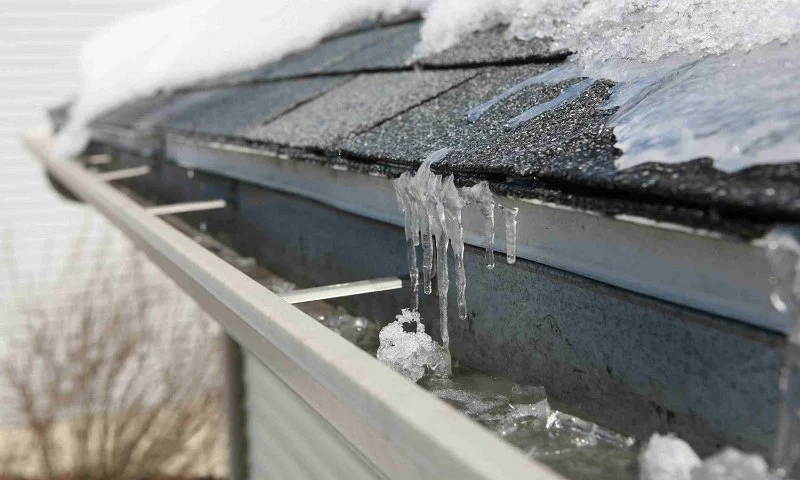
How Roof Gutters Should Be Designed to Prevent Ice Dams
- 1 - Understanding Ice Dams and Their Impact on Roofs
- 2 - The Role of Gutters in Preventing Ice Dams
- 3 - Proper Gutter Design to Prevent Ice Dams
- 4 - Additional Tips for Preventing Ice Dams
- 5 - Ongoing Gutter and Roof Maintenance
1 - Understanding Ice Dams and Their Impact on Roofs
Ice dams are a common problem for homeowners, especially in colder climates like Canada. These dams form when warm air in the attic causes the snow on the roof to melt. The water then runs down to the eaves, where it refreezes, creating a barrier of ice. Over time, this ice can accumulate and prevent proper drainage, leading to water backing up under the shingles, potentially causing serious water damage to the roof and interior of the home.
Ice dams can cause a variety of issues, including damaged gutters, warped roof shingles, and interior leaks. Properly designed gutters and roofing systems are essential in preventing the formation of ice dams and protecting the overall integrity of your home.
Marlad Roofing & Siding Inc / marlad
BramptonRegional Municipality of PeelOntario
30 Hale Rd Unit 14, Brampton, ON L6W 4N9, Canada
2 - The Role of Gutters in Preventing Ice Dams
Gutters play a crucial role in preventing ice dams by ensuring that water flows off the roof efficiently, preventing ice buildup along the edges. When gutters are clogged, improperly designed, or damaged, they can create a perfect environment for ice dams to form.
For effective prevention, gutters need to be designed to handle the winter load of snow and ice. Additionally, they must be large enough to accommodate the increased volume of water during a snowmelt. Properly functioning gutters can also direct water away from the foundation and prevent other forms of water damage.

J.R. Trory & Company Ltd / burrard roofing & drainage
North VancouverMetro VancouverBritish Columbia
1443 Crown St, North Vancouver, BC V7J 1G4, Canada
3 - Proper Gutter Design to Prevent Ice Dams
To effectively prevent ice dams, gutters should be designed with specific features in mind. Here are key aspects of gutter design that help reduce the risk of ice dams:
1. Adequate Gutter Size: Gutters should be large enough to carry away the snowmelt without becoming overloaded. Standard 5-inch gutters are suitable for many homes, but larger homes or roofs with heavy snow loads may require 6-inch gutters.
2. Gutter Slope: Gutters should have a slight slope (usually about a quarter inch for every 10 feet) to ensure that water flows toward the downspouts and away from the roof. This helps prevent water from pooling in the gutters and refreezing.
3. Heated Gutter Systems: Installing a heated gutter system is one of the most effective ways to prevent ice dams. These systems use heat cables installed along the roofline and inside the gutters to melt the snow and ice, allowing the water to flow freely off the roof.
4. Proper Gutter Positioning: Gutters should be installed slightly lower than the roof's edge to catch water that flows off the roof. Additionally, the gutters should be installed with enough space to prevent ice from forming in the system during cold weather.
4 - Additional Tips for Preventing Ice Dams
In addition to gutter design, there are several other strategies that can help prevent ice dams:
1. Proper Attic Insulation: Ensure that your attic is properly insulated to prevent warm air from escaping into the roof space. This keeps the roof cold enough to prevent snowmelt from refreezing at the eaves.
2. Ventilate the Attic: Proper ventilation in the attic helps to maintain an even temperature across the roof, reducing the chance of ice dams forming. Ventilation allows cold air to circulate in the attic, keeping the roof cold and preventing the melting of snow.
3. Regular Gutter Maintenance: Clean your gutters regularly to remove debris such as leaves, twigs, and dirt. Clogged gutters can trap water, increasing the risk of ice dam formation. Keeping gutters clear ensures proper water flow during the winter months.
5 - Ongoing Gutter and Roof Maintenance
To prevent ice dams and other roofing issues, regular maintenance is essential. Here are a few tips to keep your gutters and roof in top shape:
1. Clean Your Gutters Seasonally: Clean gutters at least twice a year—once in the spring and again in the fall. This ensures that the gutters are free of debris and ready to handle winter storms and melting snow.
2. Inspect Roof for Leaks and Damages: Have a professional roofer inspect your roof for any damage or signs of leaks. Roofs that are damaged or improperly installed are more likely to develop ice dams.
3. Install Ice and Water Shield: Consider installing an ice and water shield under the shingles along the roofline. This extra layer of protection helps prevent water from seeping under the shingles and into the attic if an ice dam forms.
For expert advice and high-quality roofing solutions to prevent ice dams, visit Pickering Roofing for the best products, services, and recommendations tailored to your home’s needs.

 Den's Roofing5.0 (1 reviews)
 Canadian Siding and Roofing4.0 (17 reviews)
 Triumph Group of Companies Edmonton0.0 (0 reviews)
 Marlad Roofing & Siding Inc4.0 (30 reviews)
 Lutz Roof Masters5.0 (4 reviews)
 Avon Roofing4.0 (16 reviews)
 How Much Does a New Roof Cost in 2025? Canadian Roofing Price Guide
 Top Signs Your Roof Has a Leak and What to Do About It in Canada
 Can You Install a New Roof Over an Old One in Canada?
 The Top Questions to Ask Before Hiring a Roofer in Canada
 What Are the Most Common Roofing Scams and How to Avoid Them in Canada
 How to Prepare Your Home for a Roofing Project in Canada