
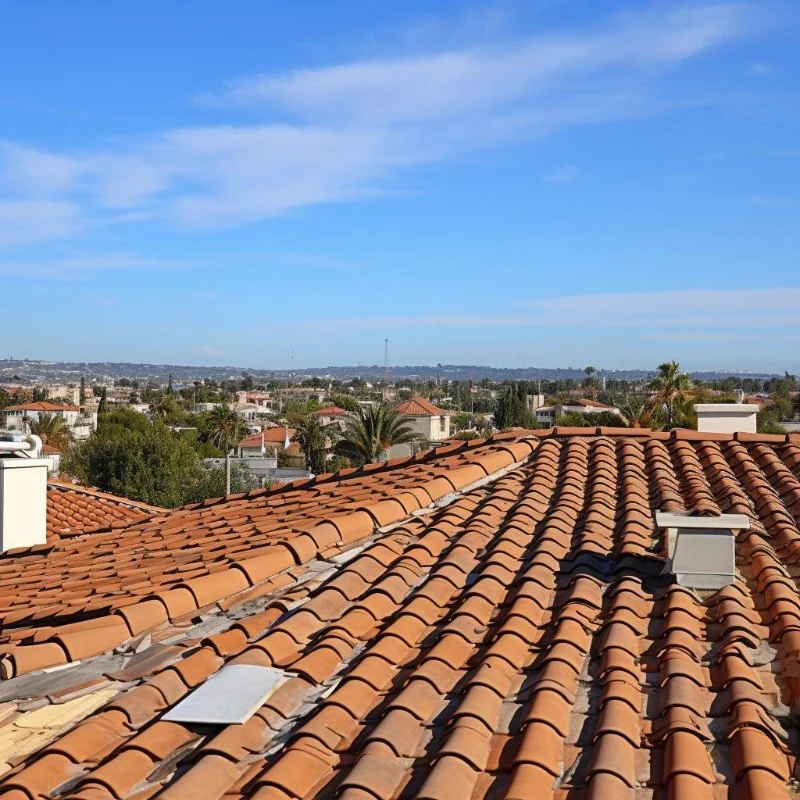
- Understanding the Impact of Sun Exposure on Roofs
- How Roof Orientation Affects Lifespan
- Roof Materials and Sun Exposure
- Strategies to Extend Roof Lifespan
- Real-Life Examples of Sun Exposure Impacts
1. Understanding the Impact of Sun Exposure on Roofs
Roof lifespan is significantly affected by daily sun exposure, especially in areas with hot and sunny climates. The intense heat from the sun can lead to various forms of roof degradation over time, including the weakening of roofing materials, fading, and the development of cracks or warping. This article explores how exposure to the sun and roof orientation can impact the health of your roof and what homeowners can do to minimize the effects.
Consistent exposure to sunlight causes roofing materials to expand and contract, leading to wear and tear. Over time, this can shorten the overall lifespan of your roof. The extent of sun exposure varies based on the time of day and the season, with some parts of your roof being more vulnerable to damage than others depending on their orientation.
2. How Roof Orientation Affects Lifespan
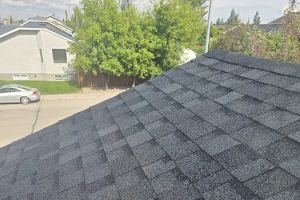
The orientation of your roof plays a crucial role in determining how much sunlight it receives throughout the day. Roofs that face directly toward the sun (southern exposure in the Northern Hemisphere) are subjected to more intense and prolonged sunlight, which can cause materials to degrade faster. In contrast, roofs that face away from the sun (northern exposure) receive less sunlight and tend to last longer without significant wear from the sun's rays.
Edmonton Roofing Company / replace roof edmonton
8023 182 St NW, Edmonton, AB T5T 0T6, Canada
2.1 Roofs with Southern Exposure
In the Northern Hemisphere, roofs that face south are the most exposed to the sun. These roofs typically experience the highest levels of sun exposure, particularly in the summer months when the sun is at its peak. This constant exposure can lead to accelerated aging of the roof materials, which may require more frequent repairs or replacements.
2.2 Roofs with Northern Exposure
On the other hand, roofs facing north are generally shaded for longer periods during the day, particularly in the summer months. These roofs are less likely to experience the same level of stress from the sun's heat, leading to a longer lifespan and fewer maintenance issues. However, they may be more susceptible to moss or algae growth due to increased moisture retention, so proper maintenance is still important.
3. Roof Materials and Sun Exposure
The type of roofing material you choose can greatly influence how your roof reacts to sun exposure. Some materials are more resistant to the damaging effects of the sun than others. Here’s how different materials perform when exposed to intense sunlight:
3.1 Asphalt Shingles
Asphalt shingles are one of the most common roofing materials in North America. However, they can suffer from significant wear under constant sun exposure. The UV rays from the sun can cause the granules on asphalt shingles to deteriorate, leading to a shorter lifespan and the potential for leaks. To protect asphalt shingles, it’s crucial to inspect the roof regularly and replace any worn or damaged shingles.
3.2 Metal Roofing
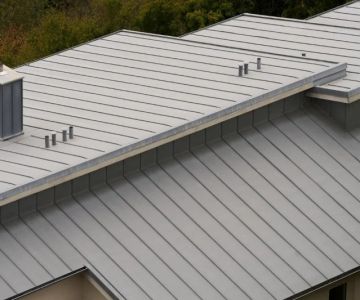
Metal roofing materials, such as aluminum or steel, are more durable and resistant to sun damage compared to asphalt shingles. They can reflect a large portion of the sun’s rays, keeping the roof cooler and reducing the risk of thermal expansion. As a result, metal roofs tend to have a longer lifespan, especially in areas with intense sun exposure.
3.3 Clay and Concrete Tiles
Clay and concrete tiles are also good options for areas with high sun exposure. These materials are heat-resistant and can handle extreme temperatures without significant wear. However, they can be heavy, so proper installation is crucial to ensure their longevity and safety. The reflective properties of these materials also help in reducing the sun's impact on the roofing structure.
3.4 Synthetic Materials
Modern synthetic roofing materials, such as rubber or polymer-based shingles, are designed to withstand UV rays and high temperatures. These materials are generally lightweight, durable, and resistant to cracking or warping, making them an excellent choice for roofs that are exposed to prolonged sunlight.
4. Strategies to Extend Roof Lifespan
While sun exposure can significantly affect your roof, there are several strategies that can help extend its lifespan and keep it in optimal condition:
4.1 Regular Inspections and Maintenance
Regular roof inspections are essential for identifying signs of wear and tear due to sun exposure. Inspect your roof at least once a year and after severe weather events. Look for signs of cracks, curling shingles, or granule loss, particularly on the south-facing side of your roof. Timely repairs can prevent further damage and prolong the roof’s lifespan.
4.2 Adding Reflective Coatings
Reflective coatings can help reduce the amount of sunlight absorbed by the roof, keeping it cooler and reducing thermal expansion. These coatings can be applied to a variety of roofing materials, including metal, asphalt, and flat roofs. By reflecting UV rays, these coatings can also help improve energy efficiency in your home by reducing cooling costs during hot summer months.
4.3 Proper Ventilation
Proper ventilation in your attic or roof space can help regulate the temperature under the roof, preventing heat buildup that accelerates aging. Ensure that your roof is well-ventilated to allow hot air to escape and cool air to circulate. This will help maintain a stable temperature for your roofing materials and extend their lifespan.
5. Real-Life Examples of Sun Exposure Impacts
Let’s look at some real-life examples to better understand how daily sun exposure can affect the lifespan of roofs:
5.1 Case Study: Roof Damage in Hot, Sunny Climates
In areas like Arizona and Nevada, where sun exposure is intense and daily temperatures soar, many homeowners with asphalt shingle roofs experience significant wear after only 10 to 15 years. This accelerated deterioration leads to frequent repairs and, in some cases, the need for complete roof replacements much sooner than expected.
5.2 Case Study: Metal Roofs in Southern California
In contrast, homes in Southern California with metal roofs tend to last much longer. These roofs show minimal signs of damage, even after years of exposure to intense sunlight. The reflective properties of metal roofing materials help protect the roof structure, ensuring longevity and fewer repairs.
For homeowners in Canada and other regions with high sun exposure, understanding how sun and roof orientation affect your roof’s lifespan is essential for maintaining a durable and long-lasting roof. For more information on roof types and maintenance tips, visit Pickering Roofing for expert advice and services tailored to your needs.
 JMK Roofing & Renos4.0 (56 reviews)
 GTA Roofing Pros5.0 (128 reviews)
 Tobin's Roofing Limited5.0 (3 reviews)
 Greater Toronto Roofing Services5.0 (52 reviews)
 Praia Mira Roofing Contractors5.0 (5 reviews)
 Orillia Steel Roofing5.0 (2 reviews)
 How Much Does a New Roof Cost in 2025? Canadian Roofing Price Guide
 Top Signs Your Roof Has a Leak and What to Do About It in Canada
 Can You Install a New Roof Over an Old One in Canada?
 The Top Questions to Ask Before Hiring a Roofer in Canada
 What Are the Most Common Roofing Scams and How to Avoid Them in Canada
 How to Prepare Your Home for a Roofing Project in Canada