
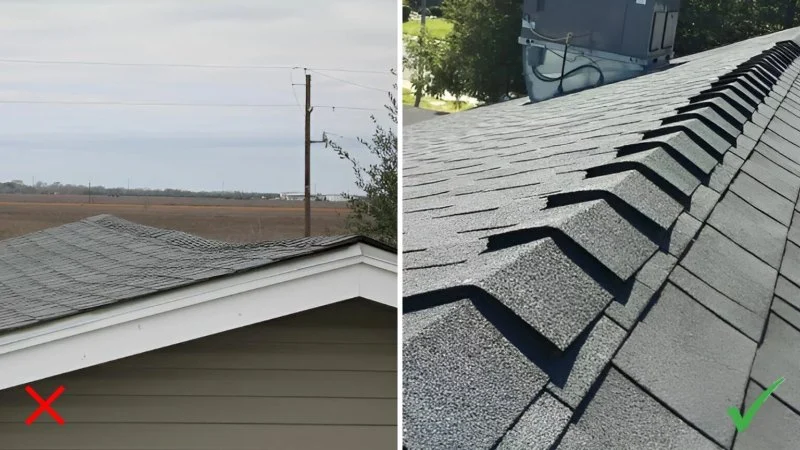
How to Assess Roof Sagging & Structural Support Issues
- Why Roof Sagging Happens
- Signs of Roof Sagging
- How to Inspect Your Roof for Sagging
- How to Fix a Sagging Roof
- Why Choose Pickering Roofing for Roof Inspections
Why Roof Sagging Happens
Roof sagging is a serious issue that should not be ignored. It typically occurs due to structural weaknesses or damage that compromises the roof’s ability to support its weight. There are several reasons for roof sagging, including:
- Excessive Weight: Accumulation of snow, ice, or debris can put excessive weight on the roof structure, causing it to sag.
- Age of the Roof: As roofs age, the materials can weaken, leading to sagging in the roof's support system.
- Poor Initial Construction: If the roof was not built with the correct materials or construction methods, it may not be able to support the load properly.
- Water Damage: Leaks or water pooling in the roof structure can weaken support beams and trusses, contributing to sagging.
Signs of Roof Sagging
Identifying the signs of roof sagging early can help prevent further damage and expensive repairs. Some of the most common signs of a sagging roof include:
- Visible Drooping: The most obvious sign of roof sagging is a visible dip or droop in the roofline. You may notice this when looking at your roof from the ground or from inside your attic.
- Water Stains: Water stains or leaks inside your home could indicate that the roof is sagging and that structural issues are present.
- Creaking or Popping Sounds: If you hear unusual sounds coming from your roof, such as creaking or popping, it could indicate that the roof structure is under stress and shifting.
- Cracked or Warped Ceiling: If your ceiling is showing signs of cracking or warping, it could be a result of roof sagging affecting the structural integrity of your home.
How to Inspect Your Roof for Sagging
Inspecting your roof for sagging and structural issues is crucial to identifying problems early. Here’s a step-by-step process to help you assess your roof:
Lam Metal / lam metals
BurnabyMetro VancouverBritish Columbia
6962 Buller Ave, Burnaby, BC V5J 4V4, Canada
1. Perform a Visual Inspection
Start by inspecting the roof from both the inside (attic) and the outside. Look for any noticeable dips or unusual slopes in the roofline. Make sure to check for visible signs of water damage or leaks inside your attic or ceiling.
Vancouver Moss Removal / moss removal north vancouver
VancouverMetro VancouverBritish Columbia
1615 Frances St #105, Vancouver, BC V5L 1Z3, Canada
2. Check for Structural Damage
Inspect the rafters, beams, and trusses inside your attic. Look for any signs of bending, cracking, or separation of joints. These are common signs that the roof structure is under stress and could be failing.
3. Look for Water Damage or Moisture
Check for water stains or mold growth inside your attic or ceiling, as these are clear signs of moisture that could be contributing to roof sagging.
4. Inspect the Roof’s Support System
Examine the roof supports, such as the ridge beam and rafters. If they appear weakened, bent, or damaged, it could indicate that the roof is no longer supported properly and may need repairs.
How to Fix a Sagging Roof
If you notice any signs of roof sagging or structural damage, it's important to take action immediately. Fixing a sagging roof typically requires professional help, but here are some general steps involved in the repair process:
1. Reinforce the Support Structure
One common method to fix a sagging roof is to reinforce the support beams or trusses. This can involve adding additional braces or strengthening the existing ones to provide more stability to the roof structure.
2. Replace Damaged Rafters
If any rafters are damaged or weakened, replacing them with new materials is essential to ensure the roof can support its weight. This may involve removing the roof covering and replacing or reinforcing the rafters beneath.
3. Install Additional Support Beams
In some cases, adding extra support beams beneath the roof can help distribute the weight more evenly and prevent further sagging. These beams can be installed either inside the attic or along the roof's exterior.
4. Roof Replacement
If the sagging is extensive and beyond repair, a full roof replacement may be necessary. This ensures the integrity of the structure and provides long-term protection for your home.
Why Choose Pickering Roofing for Roof Inspections
At Pickering Roofing, we specialize in roof inspections, maintenance, and repairs. If you suspect your roof is sagging or experiencing structural issues, our professional team can assess the situation and provide effective solutions. We use advanced techniques and equipment to ensure your roof remains secure and long-lasting. Visit our website to learn more about our services and how we can help you maintain a safe and sturdy roof.
 Appleton Steel Roofing4.0 (16 reviews)
 Metal Roof Canada | Steel Roofing Markham5.0 (41 reviews)
 KYXRoofing Inc0.0 (0 reviews)
 Desi's Roofing Co Ltd4.0 (45 reviews)
 Lakewood Roofing1.0 (1 reviews)
 Jin Li Roofing INC4.0 (57 reviews)
 How Much Does a New Roof Cost in 2025? Canadian Roofing Price Guide
 Top Signs Your Roof Has a Leak and What to Do About It in Canada
 Can You Install a New Roof Over an Old One in Canada?
 The Top Questions to Ask Before Hiring a Roofer in Canada
 What Are the Most Common Roofing Scams and How to Avoid Them in Canada
 How to Prepare Your Home for a Roofing Project in Canada