
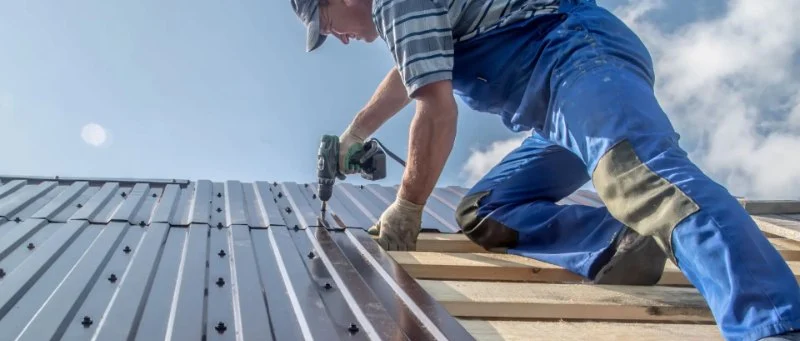
How to Choose Roof Fasteners That Won’t Fail Prematurely
- The Importance of Roof Fasteners
- Common Causes of Roof Fastener Failure
- Key Factors to Consider When Choosing Roof Fasteners
- Types of Roof Fasteners
- Tips to Extend Roof Fastener Lifespan
When it comes to roofing, fasteners are a critical component that holds everything in place. Choosing the right roof fasteners is essential for ensuring the durability and stability of your roof. Poorly chosen or low-quality fasteners can fail prematurely, leading to costly repairs and potentially damaging your home. In this article, we’ll discuss how to choose the right roof fasteners that won’t fail prematurely, and the key factors you need to consider to make the best decision.
Edmonton Roofing Company / replace roof edmonton
8023 182 St NW, Edmonton, AB T5T 0T6, Canada
1. The Importance of Roof Fasteners
Roof fasteners are responsible for securing the roofing materials—whether shingles, metal panels, or tiles—onto your roof. They play a vital role in keeping your roof intact against harsh weather conditions, such as high winds, heavy rain, or snow. If these fasteners fail, the roof structure becomes compromised, potentially leading to leaks, water damage, and even roof collapse in extreme cases.
Therefore, selecting quality roof fasteners is critical to prevent the need for frequent repairs or replacements. The right fastener can enhance your roof's overall performance, prolong its lifespan, and save you from expensive damage caused by premature failure.
Flynn Canada Ltd. - Ottawa / flynn ottawa
1655 Comstock Rd, Gloucester, ON K1B 5L2, Canada
2. Common Causes of Roof Fastener Failure
Understanding why roof fasteners fail prematurely can help you make a better-informed decision when choosing them. Some common causes include:
- Corrosion: Exposure to moisture, chemicals, and temperature fluctuations can cause roof fasteners to corrode. Corrosion weakens the fastener, causing it to break or lose its grip, resulting in roofing material dislodging.
- Improper Installation: If fasteners are not installed correctly, they can lose their ability to hold the roofing materials firmly. Issues such as over-tightening, under-tightening, or misalignment can lead to fastener failure.
- Low-Quality Materials: Fasteners made from low-quality materials may not withstand the environmental stresses they face over time. For instance, fasteners made from inferior metals or coatings are more prone to rusting and degrading under exposure to the elements.
- Expansion and Contraction: Extreme temperature variations can cause materials to expand and contract, which puts stress on the fasteners. Over time, this stress can weaken the fasteners and lead to failure.
By understanding these causes, you can choose the right fasteners that are better suited to withstand the elements and last longer without failing.
3. Key Factors to Consider When Choosing Roof Fasteners
When selecting roof fasteners, there are several important factors to keep in mind to ensure that they won't fail prematurely. These include:
- Material: The material of the fastener is crucial in determining its durability. Stainless steel, zinc-plated, and coated fasteners are highly resistant to corrosion and are ideal for harsh weather conditions. Avoid using low-quality steel or non-coated fasteners, as they are more likely to rust and fail.
- Size and Length: The size and length of the fastener must be compatible with the roofing materials and the structure of the roof. Too long or too short a fastener can cause improper installation, leading to roof instability. Ensure that the fastener length is sufficient to penetrate the roof decking and securely hold the roofing material in place.
- Coating: A good coating can prevent corrosion and extend the life of the fastener. Galvanized or polymer-coated fasteners are an excellent choice for roofs exposed to moisture. The coating protects the fastener from rust and helps maintain its grip over time.
- Load-Bearing Capacity: The fastener must be strong enough to bear the load of the roofing material, especially in areas prone to heavy snow or high winds. Ensure that the fasteners are designed to hold the weight of your specific roofing materials and can withstand the forces exerted on the roof.
- Climate and Weather Conditions: The local climate should also influence your choice of fastener. Areas with high humidity, salt exposure, or extreme temperature fluctuations will require corrosion-resistant fasteners, while dry climates may allow for more basic options.
4. Types of Roof Fasteners
There are several types of roof fasteners, each suited for different types of roofing materials and applications. Here are some common types:
- Metal Roofing Screws: These screws are designed for use with metal roofing systems. They often feature a rubber washer to prevent leaks and are available with various coatings to resist corrosion.
- Shingle Nails: These nails are commonly used for asphalt shingle roofing. They are typically made of galvanized steel to resist rust and corrosion and have a flat head to keep shingles in place.
- Tile Fasteners: For tile roofs, specific fasteners are used to ensure that tiles remain securely in place. These fasteners are usually made of stainless steel or coated to protect against corrosion.
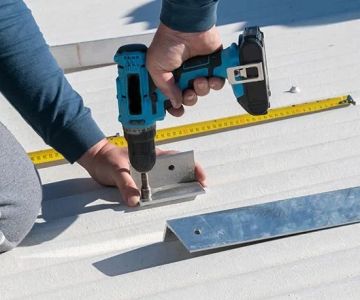
- Roofing Clips: Roofing clips are used to hold roofing panels together in standing seam metal roofing systems. They allow for expansion and contraction while securing the panels in place.
Each type of fastener serves a different purpose, and selecting the right one for your roofing material will ensure long-lasting performance and prevent premature failure.
5. Tips to Extend Roof Fastener Lifespan
Here are a few tips to help extend the lifespan of your roof fasteners:
- Regular Inspections: Periodically inspect your roof fasteners for signs of wear, corrosion, or loosening. Early detection of issues can prevent further damage and save you from costly repairs.
- Keep Roof Clean: Remove debris such as leaves, moss, and dirt from the roof to reduce moisture accumulation. Moisture can accelerate corrosion and weaken the fasteners over time.
- Proper Installation: Ensure that fasteners are installed correctly by a professional roofer. Improper installation can cause stress on the fasteners and lead to premature failure.
- Use Quality Fasteners: Always choose high-quality, corrosion-resistant fasteners. While they may cost more upfront, they will save you money in the long run by preventing roof damage and repair costs.
By following these tips and selecting the right fasteners for your roof, you can ensure that your roof will remain stable and secure for many years to come.
If you need help selecting the best roof fasteners or roofing materials, visit Pickering Roofing for expert recommendations and high-quality products. Our team can help you choose the best solutions to keep your roof strong and durable.
 RDS Toitures inc.5.0 (1 reviews)
 Aquafix Roofing & Masonry0.0 (0 reviews)
 Muskoka Roofing Company3.0 (19 reviews)
 Guycan Ltd4.0 (72 reviews)
 Trinic Toitures Inc.5.0 (21 reviews)
 Cameron Bros Exteriors5.0 (119 reviews)
 How Much Does a New Roof Cost in 2025? Canadian Roofing Price Guide
 Top Signs Your Roof Has a Leak and What to Do About It in Canada
 Can You Install a New Roof Over an Old One in Canada?
 The Top Questions to Ask Before Hiring a Roofer in Canada
 What Are the Most Common Roofing Scams and How to Avoid Them in Canada
 How to Prepare Your Home for a Roofing Project in Canada