
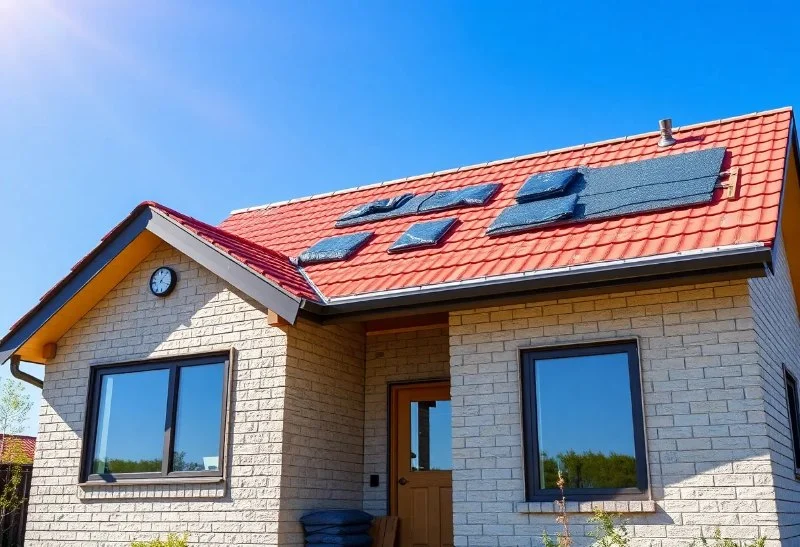
How to Choose Roof Insulation That Reduces Energy Bills Significantly
- 1-Understanding Roof Insulation
- 2-Importance of Roof Insulation in Reducing Energy Bills
- 3-Types of Roof Insulation
- 4-Choosing the Right Insulation Material
- 5-Installation Tips for Effective Insulation
- 6-Why Pickering Roofing Can Help
1-Understanding Roof Insulation
Roof insulation plays a critical role in maintaining the temperature within your home. By preventing heat loss in winter and heat gain in summer, insulation ensures that your home remains comfortable year-round. Insulation in the roof is particularly important because a significant amount of heat escapes through the roof. Choosing the right roof insulation can make a huge difference in reducing your energy bills.
2-Importance of Roof Insulation in Reducing Energy Bills
Energy bills can take a significant chunk out of your monthly expenses, especially in extreme climates. Roof insulation helps to keep your home temperature stable, meaning you won't have to rely as much on your heating or cooling systems. By lowering the amount of energy needed to maintain comfort, roof insulation can lead to substantial savings in energy costs. This is why investing in quality roof insulation is one of the most effective ways to cut down on energy consumption.
Research shows that proper insulation can reduce heating and cooling costs by up to 20%, making it a smart investment for homeowners looking to lower their energy bills.
3-Types of Roof Insulation
There are several types of roof insulation, each with unique advantages. Here are the most common options:
- Fiberglass Insulation: This is one of the most commonly used insulation materials due to its affordability and effectiveness. It works by trapping air, reducing heat transfer.
- Spray Foam Insulation: Spray foam creates an airtight seal and is highly effective at preventing air leaks. It’s particularly useful in areas with irregular spaces and is great for energy efficiency.
- Cellulose Insulation: Made from recycled paper, cellulose is an eco-friendly option that provides excellent thermal resistance.
- Rigid Foam Board Insulation: This insulation type is strong and moisture-resistant, making it perfect for roofs in areas that are prone to high humidity or moisture.
Choosing the right type depends on your specific needs, climate, and budget. Each material has its pros and cons, so consider which fits your home best.
4-Choosing the Right Insulation Material
When choosing the right roof insulation for your home, it’s important to consider the following factors:
- Climate: In colder climates, materials with high R-values like fiberglass or spray foam are best for keeping heat in. In warmer climates, reflective foil insulation might be the ideal choice to keep your home cool.
- Budget: Your budget will impact your choice of material. While spray foam is highly effective, it tends to be more expensive than fiberglass. Determine your budget and weigh the long-term savings versus initial costs.
- Durability: Consider how long the insulation will last and if it’s resistant to pests, mold, or moisture. Cellulose and rigid foam are durable choices for long-term effectiveness.
- Installation: Some insulation materials are easier to install than others. If you plan on DIY installation, options like fiberglass batt insulation may be more manageable, while spray foam typically requires professional installation.
5-Installation Tips for Effective Insulation
Proper installation is key to ensuring your roof insulation works effectively. Here are some important installation tips:
- Seal Gaps and Leaks: Ensure that all gaps and leaks in your roof or attic are sealed before installing insulation. This will maximize the effectiveness of your insulation and prevent energy loss.
- Insulate the Attic Floor: If you have an attic, insulating the attic floor is crucial. This prevents heat from escaping through the ceiling and helps in maintaining the desired indoor temperature.
- Choose Professional Installation: For complex insulation types like spray foam, it's often best to hire professionals to ensure that the insulation is applied correctly and thoroughly.
By following these tips, you can ensure that your insulation provides maximum benefit, leading to long-term energy savings.
6-Why Pickering Roofing Can Help
At Pickering Roofing, we specialize in high-quality roof insulation installation that can reduce your energy bills and increase the comfort of your home. Our team of experts can help you choose the right insulation material based on your needs and budget, and provide professional installation for optimal results.
If you're looking for ways to save on energy costs and improve the efficiency of your home, Pickering Roofing is here to help. Contact us today to get started on your roof insulation project!
 TRW Roofworx Inc5.0 (19 reviews)
 All Seasons Roofing & Renovations4.0 (54 reviews)
 Exact Roofing and Masonry1.0 (1 reviews)
 Platinum Roofing & Exteriors | Mississauga and Milton0.0 (0 reviews)
 Gentlemen's roofing4.0 (29 reviews)
 Nortex Roofing Ltd.3.0 (3 reviews)
 How Much Does a New Roof Cost in 2025? Canadian Roofing Price Guide
 Top Signs Your Roof Has a Leak and What to Do About It in Canada
 Can You Install a New Roof Over an Old One in Canada?
 The Top Questions to Ask Before Hiring a Roofer in Canada
 What Are the Most Common Roofing Scams and How to Avoid Them in Canada
 How to Prepare Your Home for a Roofing Project in Canada