
- 1. Understanding Roof Flashings and Their Importance
- 2. The Impact of Temperature Swings on Roofing
- 3. Choosing Durable Flashing Materials
- 4. Proper Installation Techniques for Roof Flashings
- 5. Common Flashing Problems and How to Fix Them
- 6. Real-Life Case Study: Flashing Solutions for Extreme Weather
- 7. Why Choose Pickering Roofing for Your Flashing Needs
1. Understanding Roof Flashings and Their Importance
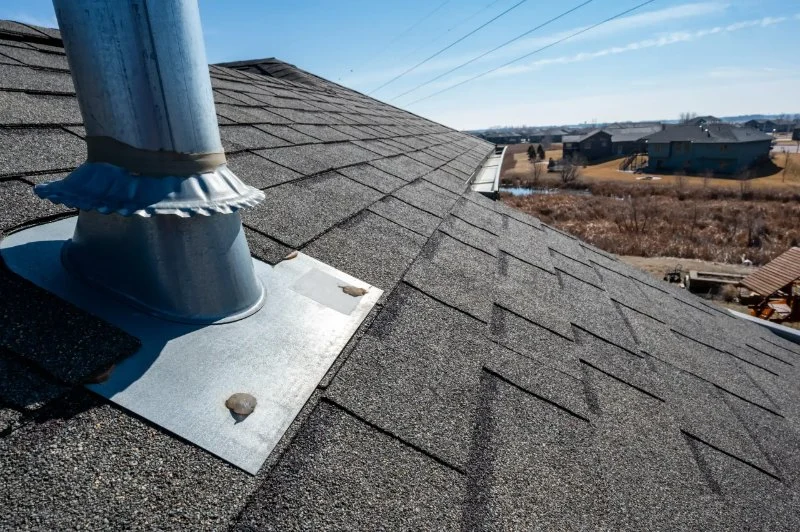
Roof flashings are essential components of a roofing system. These metal or plastic strips are installed in areas where the roof meets other surfaces, such as chimneys, vents, skylights, and the edges of the roof. Their primary role is to prevent water from entering the roof structure by sealing these vulnerable areas.
Toiture TNT / Gatineau Outaouais / avis sur toiture tnt / gatineau outaouais
1700 Rue Schryer, Gatineau, QC J8R 1S2, Canada
1.1 How Flashings Protect Your Roof
Flashings act as a barrier, ensuring that water runs off the roof rather than seeping into joints or gaps. Without flashings, water can pool in these areas, leading to leaks, mold, and even structural damage. This makes them crucial for maintaining the integrity and longevity of your roof.
D'Angelo and Sons | Eavestrough Repair & Roofing Burlington / eavestrough burlington ontario
BurlingtonRegional Municipality of HaltonOntario
460 Brant St unit #300, Burlington, ON L7R 4B6, Canada
1.2 The Role of Flashings in Temperature-Related Roof Damage
In areas with temperature fluctuations, flashings play an even more critical role. As the temperature changes, roofing materials expand and contract. This constant movement can cause cracks or gaps to form, allowing water to seep in. Flashings that are not properly installed or made from unsuitable materials can exacerbate this problem.
2. The Impact of Temperature Swings on Roofing
Canada’s climate can be harsh, with extreme temperature swings between summer and winter. These fluctuations can be particularly damaging to roofing materials and flashings. In winter, freezing temperatures can cause ice dams, while in the summer, heat can warp or crack roofing components. Both extremes place significant stress on roofing systems, making it essential to choose durable materials for flashings.
2.1 Ice Dams and the Need for Effective Flashing
Ice dams occur when heat from inside the house melts snow on the roof, which then refreezes at the roof’s edge, forming a dam. This trapped water can back up under the shingles, leading to leaks inside the home. Properly installed flashings, particularly around valleys and eaves, are key to preventing ice dams and ensuring water is directed off the roof.
2.2 Heat Expansion and Contraction
During hot summer months, the roofing materials expand, and in the winter, they contract as temperatures drop. This natural movement can cause seams to separate, especially around flashing areas. Choosing flexible, durable flashing materials that can accommodate these movements is crucial in avoiding leaks and other damage.
3. Choosing Durable Flashing Materials
Not all flashing materials are created equal, and choosing the right one can make a significant difference in how well your roof performs in extreme temperatures. Below are some of the best materials for flashings that can withstand temperature swings.
3.1 Copper Flashing
Copper is a highly durable material known for its resistance to corrosion and ability to withstand both freezing and hot temperatures. Over time, copper develops a protective patina, which adds to its longevity. It is an ideal choice for homeowners in regions with extreme weather conditions.
3.2 Aluminum Flashing
Aluminum is lightweight and highly resistant to corrosion, making it an excellent choice for roof flashings. It performs well in cold climates and can handle temperature swings without cracking or warping. However, it can be prone to denting, so it's important to choose a thicker gauge if durability is a concern.
3.3 Stainless Steel Flashing
Stainless steel is another great option for roof flashings. It offers superior strength and resistance to both heat and cold. Stainless steel can withstand the stress caused by temperature changes without losing its structural integrity, making it perfect for areas prone to extreme weather shifts.
3.4 PVC and Rubber Flashing
For more budget-friendly options, PVC and rubber flashings can offer flexibility and weather resistance. While not as durable as metal flashings, they are ideal for regions with less extreme weather variations. They can handle temperature changes but may need to be replaced more frequently compared to metal options.
4. Proper Installation Techniques for Roof Flashings
Even the best flashing material won’t perform well if it is not installed properly. Proper installation ensures that the flashings fit securely around roof joints and other vulnerable areas, providing effective protection against water infiltration. Below are some essential techniques to follow for optimal flashing installation.
4.1 Sealing Joints and Edges
One of the key aspects of installing flashings is sealing the joints and edges properly. If there are gaps in the flashing installation, water can seep in. Flashings should be securely fastened and sealed at all seams to prevent moisture penetration.
4.2 Overlapping Flashing
Flashings should always overlap in a way that directs water away from the roof’s vulnerable areas. Overlapping helps prevent water from getting under the flashing and causing leaks. This technique is particularly important around chimneys, skylights, and roof valleys.
4.3 Inspecting for Gaps
During installation, it's essential to check for any gaps or misalignments. Even small spaces can allow water to seep in, so each section of flashing must be thoroughly inspected before finalizing the installation.
5. Common Flashing Problems and How to Fix Them
Over time, flashing can experience wear and tear, especially in areas with temperature fluctuations. Here are some common issues and solutions:
5.1 Cracked or Warped Flashing
If the flashing becomes cracked or warped due to temperature fluctuations, it can no longer protect the roof from water infiltration. Replacing damaged flashing promptly is essential to prevent further damage. Metal flashings may need to be replaced, while rubber or PVC flashings may require resealing.
5.2 Loose Flashing
Loose flashing can lead to leaks and water damage. Flashing that becomes detached from the roof must be re-secured or replaced. Always ensure that the flashing is firmly attached during installation and periodically inspect it for loosening.
6. Real-Life Case Study: Flashing Solutions for Extreme Weather
In a recent project in Alberta, a homeowner experienced recurring roof leaks during the winter months, particularly after heavy snowfall. The cause was traced to poor flashing installation around the roof valleys, which allowed melted snow to seep into the attic. After replacing the faulty flashing with high-quality copper and ensuring proper installation techniques, the leaks were completely resolved. This project highlights the importance of using durable materials and proper installation techniques to prevent temperature-related roofing issues.
7. Why Choose Pickering Roofing for Your Flashing Needs
If you’re looking for reliable and expert roofing services, including flashing installation and repair, Pickering Roofing offers top-notch solutions for all your roofing needs. Our team of experienced professionals can help you choose the right materials for your climate, ensuring your roof remains durable and leak-free for years to come.
 Timeless roofing5.0 (2 reviews)
 Toronto Roofing & Masonry5.0 (1 reviews)
 The Roofing Factory5.0 (29 reviews)
 RidgeCrest4.0 (31 reviews)
 JLK CONTRACTING AND ROOFING4.0 (8 reviews)
 Average Joe's Roofing4.0 (40 reviews)
 How Much Does a New Roof Cost in 2025? Canadian Roofing Price Guide
 Top Signs Your Roof Has a Leak and What to Do About It in Canada
 Can You Install a New Roof Over an Old One in Canada?
 The Top Questions to Ask Before Hiring a Roofer in Canada
 What Are the Most Common Roofing Scams and How to Avoid Them in Canada
 How to Prepare Your Home for a Roofing Project in Canada