
- Why Moss and Lichen Are Harmful to Roof Shingles
- Identifying Moss and Lichen Growth on Roof Shingles
- Effective Moss and Lichen Removal Techniques
- How to Prevent Moss and Lichen Growth on Your Roof
- Real-Life Case Study: Preventing Moss and Lichen Damage
Why Moss and Lichen Are Harmful to Roof Shingles
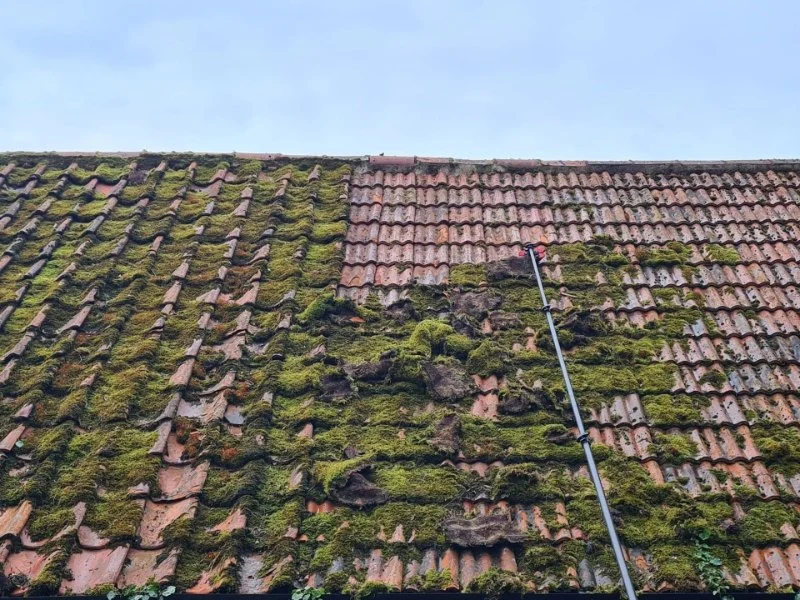
Moss and lichen growth on roof shingles might seem harmless at first, but over time, they can cause significant damage to your roof. Moss thrives in damp, shaded areas, and it holds moisture against the roof surface. This constant moisture exposure can lead to the breakdown of shingles, accelerating wear and tear, and ultimately reducing the lifespan of your roof.
Lichen, while slightly different from moss, also causes damage in similar ways. The roots of lichen can penetrate the surface of shingles, potentially lifting or cracking them. This can allow water to seep under the shingles, leading to leaks and water damage inside the home.
Furthermore, the organic matter created by moss and lichen provides a breeding ground for additional microbial growth, including fungi, which can further degrade the roofing materials. Over time, this can result in costly repairs and a need for roof replacement.
Christensen & McLean Roofing / christensen & mclean roofing
16173 132 Ave NW, Edmonton, AB T5V 1H7, Canada
Identifying Moss and Lichen Growth on Roof Shingles
Before you can address the problem of moss and lichen growth, it's important to know how to identify them on your roof. Here’s how to distinguish between the two and spot the signs of growth:
Toitures Garant et Frères Inc / toiture garant
LévisChaudière-AppalachesQuébec
6615 Rue Alfred-Pellan, Lévis, QC G6V 9S9, Canada
1. Moss Growth
Moss typically appears as a green, fuzzy, or spongy material growing on the surface of your roof, especially in shaded areas. It grows in thick patches, and you may notice it clinging to the north-facing sides of your roof, as these areas tend to be more shaded and moist. Moss can also spread between shingles, causing them to lift and deteriorate over time.
2. Lichen Growth
Lichen, on the other hand, appears as flat, scaly patches that can range in color from green to yellow, gray, or even black. Lichen is often found in the same shaded areas as moss, but it adheres more tightly to the shingles. Unlike moss, lichen does not hold moisture but can still cause damage by infiltrating the roofing material with its root-like structures.
Effective Moss and Lichen Removal Techniques
Once you've identified moss or lichen on your roof, it’s important to take action promptly to prevent further damage. Here are some effective removal techniques that you can use:
1. Using a Moss Removal Chemical
There are many moss removal products available on the market designed specifically for roofs. These chemicals are typically applied to the affected areas and left to sit for a period of time. The active ingredients break down the moss or lichen, allowing it to be easily brushed off. Be sure to follow the manufacturer's instructions carefully and choose a product that’s safe for your specific roofing material.
2. Manual Removal
If you prefer a more hands-on approach, you can manually remove moss and lichen using a soft-bristled brush. Gently scrub the affected areas, working from the top of the roof downwards to avoid damaging the shingles. It's important to avoid using a pressure washer, as the high-pressure water stream can lift or damage the shingles, potentially causing more harm than good.
3. Using a Homemade Solution
For a more natural solution, you can mix a mild bleach solution (one part bleach to three parts water) and spray it on the moss or lichen. This can help to kill the growth without causing harm to your shingles. After allowing the solution to sit for 15-20 minutes, use a soft brush to scrub off the debris.
4. Rinsing the Roof
After using any of these removal methods, it’s important to thoroughly rinse the roof with water to remove any leftover residue from the chemicals or cleaning solutions. This will help prevent any potential damage to the shingles and ensure that your roof remains clean and healthy.
How to Prevent Moss and Lichen Growth on Your Roof
Preventing moss and lichen from growing on your roof is much easier than removing them once they’ve established a foothold. Here are some preventative measures you can take:
1. Improve Roof Ventilation
Proper ventilation is key to keeping your roof dry and preventing moss and lichen growth. Ensure that your roof has adequate ventilation to allow moisture to escape. This helps reduce the conditions that moss and lichen need to thrive. Consider installing ridge vents, soffit vents, or gable vents if your roof doesn’t already have them.
2. Trim Overhanging Branches
Branches that hang over your roof can block sunlight and trap moisture, creating an ideal environment for moss and lichen. Regularly trim back any overhanging trees or bushes to allow sunlight to reach the roof, which will help keep it dry and discourage moss growth.
3. Install Zinc or Copper Strips
Installing zinc or copper strips along the roofline can help prevent moss and lichen growth. These metals release tiny particles when it rains, which are toxic to moss and lichen. As a result, the growth on your roof is significantly reduced. This method is simple and long-lasting.
4. Keep the Roof Clean
Regular roof maintenance is essential for preventing moss and lichen. Make it a habit to inspect your roof at least once a year, cleaning off any debris such as leaves, branches, or dirt. Keeping the roof clear will help maintain good airflow and prevent moss from taking root.
Real-Life Case Study: Preventing Moss and Lichen Damage
One of our customers, Sarah, had noticed that moss was beginning to spread across her roof during the rainy season. After an inspection, it became clear that the moss was starting to damage the shingles and compromise the integrity of the roof. Sarah decided to take action by removing the moss with a moss removal solution and then installing copper strips along the roofline to prevent further growth.
In addition, she hired a roofing professional to improve the roof’s ventilation by installing additional soffit vents, ensuring that the attic space stayed dry. After the changes, Sarah saw a significant reduction in moss growth, and her roof remained in great condition for many years. This case highlights the importance of both removing existing growth and taking preventative steps to protect the roof in the future.
If you need help with moss removal or roof maintenance, visit Pickering Roofing for expert advice and the best products and services to keep your roof in excellent condition.
 Fix My Roof4.0 (77 reviews)
 Green Meadows Roofing & Home Services0.0 (0 reviews)
 Golden Horseshoe Construction Corp5.0 (7 reviews)
 Blue Knight Roofing Inc5.0 (23 reviews)
 Built Roof4.0 (5 reviews)
 Rycon Roofing5.0 (1 reviews)
 How Much Does a New Roof Cost in 2025? Canadian Roofing Price Guide
 Top Signs Your Roof Has a Leak and What to Do About It in Canada
 Can You Install a New Roof Over an Old One in Canada?
 The Top Questions to Ask Before Hiring a Roofer in Canada
 What Are the Most Common Roofing Scams and How to Avoid Them in Canada
 How to Prepare Your Home for a Roofing Project in Canada