
- 1-Understanding Roofing Noise on Metal Roofs
- 2-Common Causes of Noise During Rain or Hail
- 3-Effective Strategies to Reduce Noise
- 4-Insulation and Underlayment Options
- 5-Installation and Professional Tips
- 6-Real-Life Examples and Case Studies
1. Understanding Roofing Noise on Metal Roofs
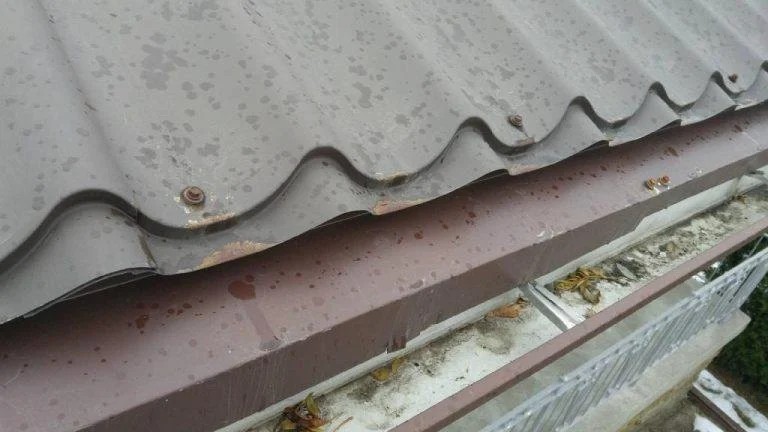
Metal roofs are known for their durability, longevity, and sleek appearance. However, many homeowners in Canada notice loud noises during rain or hailstorms. These sounds, while normal, can be unsettling and even affect sleep or indoor comfort. Understanding the physics behind metal roofing noise is the first step to addressing it.
Noise is generated when rain or hail impacts the metal surface, causing vibrations that travel through the roof structure. Factors such as roof pitch, thickness of the metal panels, and the presence (or absence) of insulation significantly influence the intensity of the sound.

CentiMark Ltd. / centimark corporation
740 Huronia Rd Unit 9, Barrie, ON L4N 6C6, Canada
2. Common Causes of Noise During Rain or Hail
Several factors contribute to roofing noise:
- Material Thickness: Thinner metal panels resonate more loudly than thicker ones.
- Roof Decking: The type of decking and the spacing of support beams can amplify sound vibrations.
- Fastening Method: Exposed fasteners or improperly secured panels can rattle under impact.
- Lack of Insulation: Absence of sound-absorbing underlayment increases noise transmission into living spaces.
For instance, a homeowner in Calgary replaced a thinner aluminum roof with a heavier gauge steel and noticed a significant reduction in rain noise. This shows that material selection can have a major effect on indoor comfort.
Vancouver Moss Removal / moss removal near me
VancouverMetro VancouverBritish Columbia
1615 Frances St #105, Vancouver, BC V5L 1Z3, Canada
3. Effective Strategies to Reduce Noise
There are several approaches to reduce metal roofing noise:
- Install Sound-Absorbing Underlayment: Specialized underlayments dampen vibrations and absorb impact sound.
- Use Thicker Panels: Upgrading to heavier gauge metal reduces resonance and rattling.
- Secure Panels Properly: Ensure fasteners are correctly installed to prevent movement during storms.
- Apply Acoustic Sealants: Seal gaps or joints that may amplify noise transmission.
Homeowners often combine multiple strategies to achieve optimal results. Pickering Roofing offers high-quality underlayments and installation services specifically designed to minimize noise on metal roofs.
4. Insulation and Underlayment Options
Proper insulation is critical for both sound reduction and energy efficiency. Options include:
4.1 Foam Insulation
Spray foam under metal panels provides excellent sound absorption and thermal protection. It also seals small gaps that may cause rattling.
4.2 Felt or Synthetic Underlayment
High-density felt or synthetic layers can reduce impact noise while protecting against moisture and corrosion.
4.3 Acoustic Matting
Acoustic mats are installed directly under metal panels for maximum sound dampening. While more expensive, they provide superior comfort in regions with frequent hailstorms.
5. Installation and Professional Tips
Noise reduction is often influenced by proper installation:
- Ensure panels are fastened according to manufacturer guidelines.
- Install underlayment continuously without gaps.
- Consider floating clips or isolation mounts to reduce vibration transfer.
- Regularly inspect roofs for loose panels or damaged fasteners, especially after hail events.
Working with experienced contractors, such as Pickering Roofing, ensures your metal roof is installed for both durability and comfort, minimizing unwanted noise during storms.
6. Real-Life Examples and Case Studies
Consider a Toronto homeowner who experienced extreme noise during spring hailstorms. By replacing thin aluminum panels with 24-gauge steel and adding a high-density underlayment, the indoor noise was reduced by nearly 70%. This demonstrates the combined impact of material and installation techniques.
Another case in Vancouver involved a newly built metal roof with improper fastener spacing. After consultation with experts from Pickering Roofing, the fasteners were reinstalled and additional acoustic mats were added, effectively eliminating disruptive rain noise.
These examples highlight the importance of informed material selection, proper installation, and professional guidance for Canadian homeowners dealing with roofing noise.
 Roof & Insulation Expert0.0 (0 reviews)
 Levesque Enr4.0 (6 reviews)
 All Way Roofers Inc.5.0 (20 reviews)
 D.S. Roofing Ottawa0.0 (0 reviews)
 Evolution Roofing Inc2.0 (16 reviews)
 NGR Roofing Solutions4.0 (46 reviews)
 How Much Does a New Roof Cost in 2025? Canadian Roofing Price Guide
 Top Signs Your Roof Has a Leak and What to Do About It in Canada
 Can You Install a New Roof Over an Old One in Canada?
 The Top Questions to Ask Before Hiring a Roofer in Canada
 What Are the Most Common Roofing Scams and How to Avoid Them in Canada
 How to Prepare Your Home for a Roofing Project in Canada