
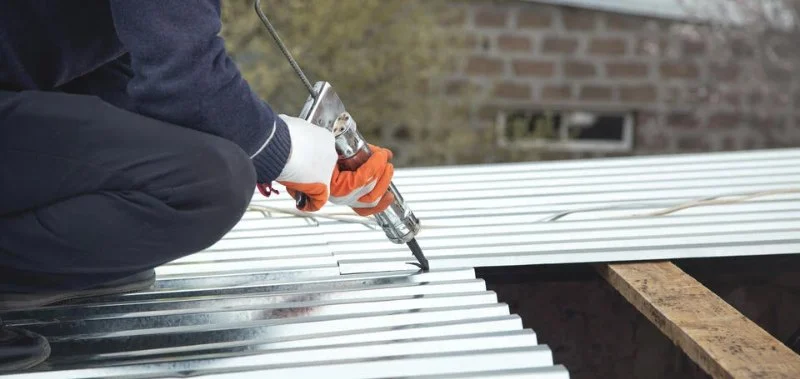
- 1. The Importance of Roof Fastening
- 2. Types of Fastening Techniques for Roof Durability
- 3. Choosing the Right Materials for Stronger Attachments
- 4. Case Studies: Successful Roof Fastening Methods
- 5. Common Mistakes to Avoid in Roof Fastening
1. The Importance of Roof Fastening
Roof durability is essential for protecting your home against the elements, especially in areas prone to extreme weather conditions. One critical factor in ensuring your roof can withstand these conditions is the quality of the fastening and attachment techniques used during installation. Proper roof fastening ensures that the materials are securely attached, minimizing the risk of damage during high winds or heavy snowfalls.

Custom Contracting Burlington Roofing & Eavestrough Repair Burlington / eavestrough burlington
BurlingtonRegional Municipality of HaltonOntario
687 Waterloo St, Burlington, ON L7R 2S9, Canada
2. Types of Fastening Techniques for Roof Durability
There are several roof fastening techniques that can enhance the stability of your roof. Some of the most effective methods include:
1. Nails and Screws
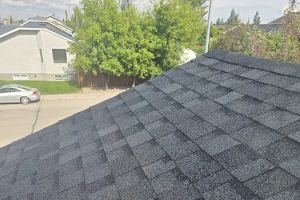
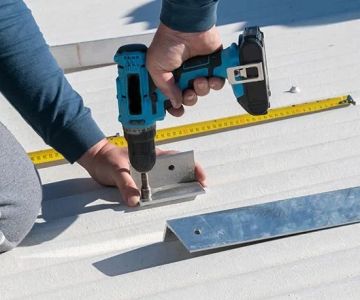
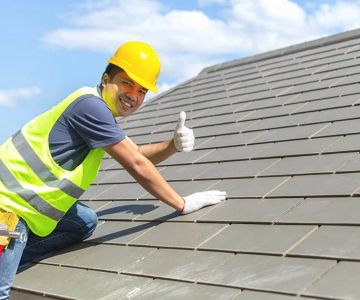
The most commonly used fastening methods for roofing materials are nails and screws. Nails are generally used for asphalt shingles, while screws are typically used for metal roofing. The type of nail or screw chosen will depend on the material of your roof and the local climate conditions. Stainless steel or galvanized screws are commonly recommended due to their resistance to rust.
2. Roofing Clips
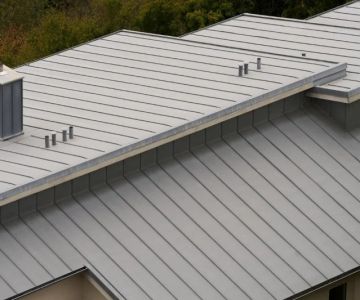
Roofing clips are another fastening method often used in metal roofing systems. These clips help to securely attach panels without causing any damage to the material. This method is particularly useful for metal roofs in areas with high winds, as it allows for the panels to expand and contract without warping or loosening.
3. Adhesive Bonding
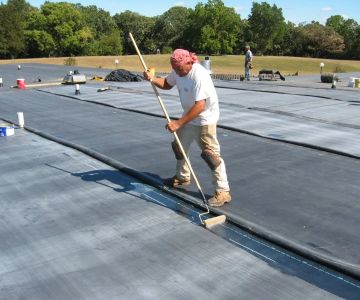
For some modern roofing systems, adhesive bonding is used in conjunction with traditional fasteners to provide an extra layer of security. This method is commonly seen in flat roofing systems and can provide additional waterproofing benefits. Adhesive bonding also minimizes the risk of punctures or leaks caused by loose fasteners.
3. Choosing the Right Materials for Stronger Attachments
Choosing the right materials for both your roofing system and fastening components is crucial to ensure long-lasting durability. The materials you choose will impact the overall strength of the roof and its ability to withstand environmental stresses.
1. High-Quality Shingles and Panels
Opt for high-quality roofing materials such as impact-resistant shingles or durable metal panels. These materials are designed to withstand the wear and tear caused by wind, rain, and hail. They also work well with fastening systems, ensuring that the roof remains intact over time.
2. Strong Fasteners
Using corrosion-resistant fasteners, such as stainless steel or zinc-coated nails and screws, is essential for roof longevity. These fasteners are more resistant to rust and degradation, ensuring that your roof remains securely fastened, even in extreme weather conditions.
3. Underlayment
Underlayment is an essential material that adds an extra layer of protection to your roof. It provides waterproofing and helps to prevent leaks, ensuring the longevity of the roof fastenings. When paired with quality fasteners, underlayment helps keep your roof secure for years to come.
4. Case Studies: Successful Roof Fastening Methods
To better understand how effective fastening techniques can enhance roof durability, let’s look at some real-world examples:
1. Case Study: High Wind Areas
In a coastal town where high winds are common, a local roofing company used metal panels with clip fasteners and additional screws to secure the roof. This method provided added resistance to wind uplift, ensuring the roof remained intact during severe storms. Homeowners reported minimal damage after high winds, thanks to the enhanced fastening system.
2. Case Study: Snow and Ice Zones
In regions where heavy snow and ice are frequent, a roofing contractor used adhesive bonding combined with traditional nails to secure asphalt shingles. The adhesive kept the shingles securely attached despite the weight of the snow, preventing them from loosening or being blown off by the wind. This technique helped homeowners avoid costly roof repairs during the winter months.
5. Common Mistakes to Avoid in Roof Fastening
While it’s essential to use proper fastening techniques, it’s just as important to avoid certain mistakes that can compromise the strength and durability of your roof:
1. Over-tightening Fasteners
Over-tightening screws or nails can cause the roofing material to crack or deform. It’s important to follow the manufacturer’s recommendations for fastener installation, ensuring that they are secure but not over-stressed.
2. Using Low-Quality Fasteners
Using low-quality or non-corrosion-resistant fasteners may save money initially, but it will cost more in the long run. These fasteners are more likely to rust, degrade, or loosen over time, leading to potential roof damage.
3. Not Checking Fastener Placement
Improperly placed fasteners can leave your roof vulnerable to leaks or wind damage. Ensure that the fasteners are placed according to the manufacturer’s specifications and that they are evenly distributed for maximum stability.
 Kennedy Masonry And Roofing0.0 (0 reviews)
 Triumph Group of Companies GTA3.0 (36 reviews)
 RoofWise0.0 (0 reviews)
 AJ Roofing0.0 (0 reviews)
 Deluxe Roofing5.0 (4 reviews)
 Econo-Toit 20004.0 (22 reviews)
 How Much Does a New Roof Cost in 2025? Canadian Roofing Price Guide
 Top Signs Your Roof Has a Leak and What to Do About It in Canada
 Can You Install a New Roof Over an Old One in Canada?
 The Top Questions to Ask Before Hiring a Roofer in Canada
 What Are the Most Common Roofing Scams and How to Avoid Them in Canada
 How to Prepare Your Home for a Roofing Project in Canada