
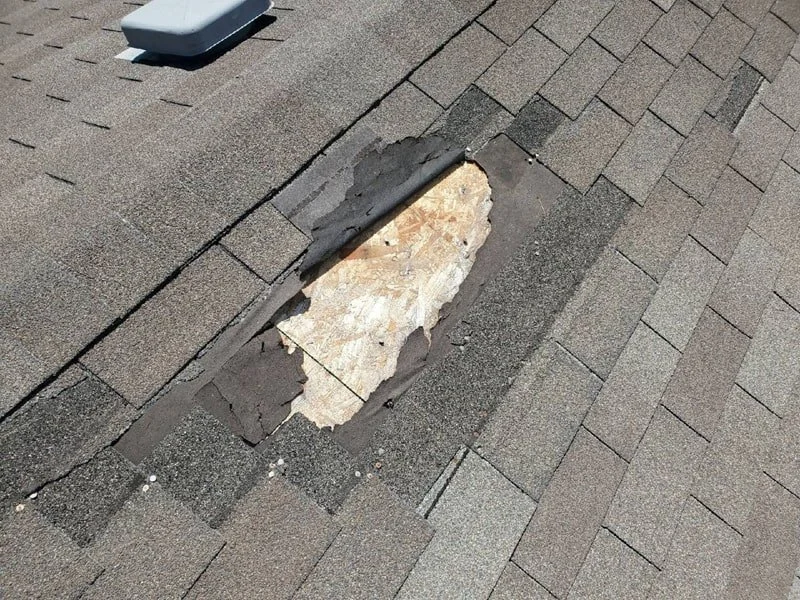
How to Evaluate Roof Warranty Fine Print: Lifespan, Wind Rating & Stain Coverage
- Understanding Roof Warranties
- Evaluating Lifespan Coverage
- Understanding Wind Rating Coverage
- Stain Coverage in Roof Warranties
- Tips for Choosing the Best Roof Warranty
When investing in a new roof, it's essential to understand the details of the roof warranty to ensure your investment is protected. Roof warranties vary from manufacturer to manufacturer, and they often come with fine print that outlines what is covered—and what isn’t. The lifespan, wind rating, and stain coverage are among the key factors to consider when evaluating a roof warranty. In this article, we'll break down these components, helping you make an informed decision before signing on the dotted line.
One of the most critical elements of a roof warranty is the lifespan coverage. Roofs are built to last for many years, but it’s important to know exactly how long your roof will be covered under warranty. Many warranties cover the roof for anywhere from 20 to 50 years, but the fine print often includes distinctions between materials and labor coverage. For instance, some warranties may cover the materials for the full term, but only offer limited labor coverage after a certain number of years. It’s essential to review these details, as they will affect how much you can claim for repairs or replacements later down the road. Look for a warranty that offers full coverage for both materials and labor for as long as possible, and be aware of any prorated periods that may affect your coverage.
Wind rating is another important factor to consider when evaluating your roof warranty. Roofs are subjected to various weather conditions, and high winds can be especially damaging to shingles. A good warranty should specify the maximum wind speed the roof can withstand. Wind ratings are typically measured in miles per hour (mph) and can range from 60 mph to 130 mph or more. For areas prone to high winds, such as coastal regions or places that experience frequent storms, it’s critical to choose a roof with a high wind rating. Additionally, check whether the warranty covers damage caused by wind, including blow-offs or lifting of shingles, and make sure to verify if there are any exclusions that could affect your claim after a storm.
Stain coverage is another component that many homeowners overlook when evaluating roof warranties. Stains, particularly from algae or moss growth, can cause your roof to look unsightly over time. Some roofing materials are more resistant to staining than others, and your warranty should clearly outline whether stains are covered under the terms of the agreement. If your roof has a high chance of developing stains due to environmental conditions in your area, it’s a good idea to choose a warranty that includes coverage for this issue. Some warranties offer stain coverage for the first few years, while others may provide coverage for the lifetime of the roof. Be sure to understand how stains are defined under the warranty, as some companies may not consider certain discolorations as valid claims.
Choosing the best roof warranty involves considering your long-term needs and understanding the fine print. Here are some tips to help guide your decision:
- Read the Fine Print: Always take the time to read the entire warranty document. Look for any exclusions or clauses that may limit your coverage, such as damage from neglect or improper installation.
- Compare Multiple Options: Don’t settle for the first warranty you’re offered. Compare different manufacturers and warranty options to find the one that best suits your needs, budget, and the climate in your area.
- Consult with Experts: If you’re unsure about the details of a warranty, consult with a roofing contractor who can explain the terms and help you make the best choice.
- Consider Local Climate Factors: Your region’s climate plays a significant role in the wear and tear on your roof. Be sure to select a roof warranty that considers your area’s unique weather patterns, such as extreme heat, cold, or heavy rainfall.
Roof Rescue Ontario Inc. / trudel & sons roofing ltd
Whitchurch-StouffvilleRegional Municipality of YorkOntario
164 Hawthorn Ave, Whitchurch-Stouffville, ON L4A 4Y8, Canada
Conclusion: Understanding Roof Warranty Fine Print
Before signing a roof warranty, it’s essential to thoroughly evaluate the fine print, especially regarding lifespan, wind rating, and stain coverage. Understanding these elements will help you protect your home and investment in the long run. Whether you’re building a new home or replacing an old roof, ensure you choose a roof warranty that aligns with your needs and the climate in your area. For expert guidance and the best roofing options, visit Pickering Roofing to find the most suitable products and services for your home’s needs.

 Good Year Roofing5.0 (1 reviews)
 D'Angelo and Sons | Eavestrough Repair & Roofing Burlington4.0 (142 reviews)
 Master Roofcare & Masonry0.0 (0 reviews)
 Legendary Exteriors4.0 (17 reviews)
 Silver Oak Roofing5.0 (99 reviews)
 Pearson Roofing Corporation4.0 (49 reviews)
 How Much Does a New Roof Cost in 2025? Canadian Roofing Price Guide
 Top Signs Your Roof Has a Leak and What to Do About It in Canada
 Can You Install a New Roof Over an Old One in Canada?
 The Top Questions to Ask Before Hiring a Roofer in Canada
 What Are the Most Common Roofing Scams and How to Avoid Them in Canada
 How to Prepare Your Home for a Roofing Project in Canada