
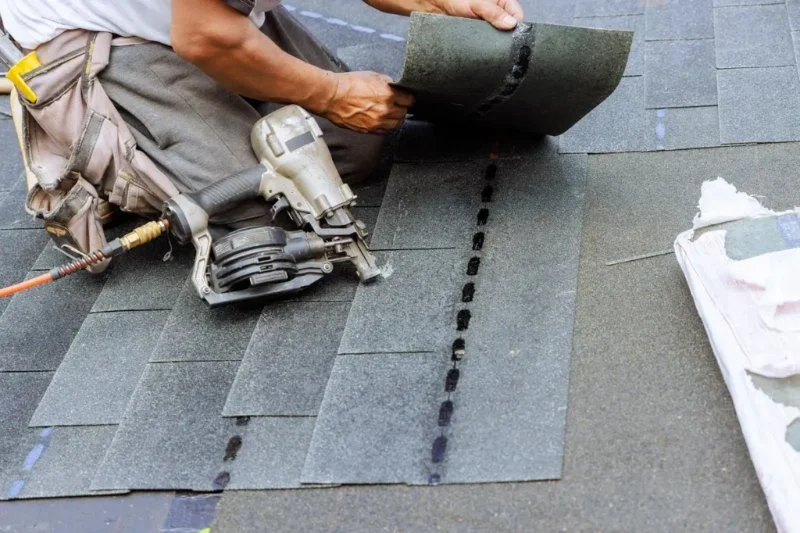
What to Do When You Spot Roof Shingle Granule Loss
Roof shingles are essential for protecting your home from the elements, but like all parts of a house, they can experience wear and tear over time. One of the most common signs of shingle damage is the loss of granules. Granules are the small, colored particles that coat asphalt shingles and provide protection against UV rays. If you've noticed granule loss, it’s important to take action promptly. In this article, we'll discuss what granule loss is, why it happens, and what steps you should take to protect your roof.
- 1. What Causes Roof Shingle Granule Loss?
- 2. Signs of Granule Loss
- 3. Steps to Take When You Spot Granule Loss
- 4. How to Prevent Further Granule Loss
- 5. Should You Replace Your Roof Due to Granule Loss?
1. What Causes Roof Shingle Granule Loss?
Granule loss on roof shingles is primarily caused by a combination of aging and exposure to the elements. As shingles age, the granules begin to loosen and fall off due to natural wear. Common causes include:
- Exposure to UV rays: The sun’s rays can break down the asphalt in shingles, causing granules to loosen and fall off.
- Heavy rain: Excessive rainfall can cause granules to be washed away, especially if your roof has existing wear.
- Wind damage: Strong winds can dislodge granules, particularly if shingles are already weakened or not properly installed.
- Improper installation: Poor installation can cause premature wear and granule loss.
2. Signs of Granule Loss
While granule loss can be difficult to spot from the ground, there are several key signs to look for:
- Dark spots or patches on your roof: As the granules wear away, you’ll see darker areas where the asphalt is exposed.
- Granules in the gutters: If you notice granules accumulating in your gutters, it’s a clear sign that your shingles are shedding granules.
- Visible bald spots on shingles: Over time, as granules wear away, you may see sections of the shingles without any granules left.
3. Steps to Take When You Spot Granule Loss
If you notice granule loss, follow these steps to protect your roof:
- Inspect the Roof: Carefully examine the roof to determine the extent of the granule loss. Look for bald spots, damaged shingles, or excessive accumulation of granules in the gutters.
- Check for Leaks: Inspect the interior of your home for any signs of water damage, which could indicate that the shingles are no longer providing adequate protection.
- Consult a Professional: Contact a licensed roofing contractor to assess the condition of your roof. They can help determine if the granule loss is minor or if it signals the need for repairs or replacement.
4. How to Prevent Further Granule Loss
While granule loss is natural over time, there are several ways to minimize further damage:
- Regular Roof Maintenance: Have your roof inspected regularly to identify and address any potential problems before they worsen.
- Proper Roof Ventilation: Ensure your attic is properly ventilated to prevent excessive heat buildup that can accelerate granule loss.
- Tree Maintenance: Trim overhanging trees to reduce the risk of physical damage to your shingles from falling branches or debris.
5. Should You Replace Your Roof Due to Granule Loss?
Granule loss on its own doesn’t necessarily mean that your roof needs to be replaced, but it can be an indicator that your roof is reaching the end of its lifespan. If the loss is significant and the roof is showing other signs of damage such as curling or cracking shingles, it may be time for a replacement. Your roofing contractor will be able to provide a professional assessment to help you make the best decision for your home.
If you're concerned about roof damage and need professional advice, visit Pickering Roofing for expert roof inspection services and product recommendations.

 LeafOut0.0 (0 reviews)
 Border City Roofing Inc.4.0 (5 reviews)
 Grand Roofing & Sheet Metal Inc.5.0 (16 reviews)
 Lansard Bros Roofing Ltd4.0 (50 reviews)
 Jin Tai Roofing5.0 (6 reviews)
 Baraco Roofing Services Inc5.0 (4 reviews)
 How Much Does a New Roof Cost in 2025? Canadian Roofing Price Guide
 Top Signs Your Roof Has a Leak and What to Do About It in Canada
 Can You Install a New Roof Over an Old One in Canada?
 The Top Questions to Ask Before Hiring a Roofer in Canada
 What Are the Most Common Roofing Scams and How to Avoid Them in Canada
 How to Prepare Your Home for a Roofing Project in Canada