Pickering Roofing
Pickering RoofingRoofing InsightsRoofing Companies Near Me
AlbertaBritish ColumbiaManitobaNewfoundland and LabradorNova ScotiaOntarioQuebecQuébecSaskatchewan
Pickering RoofingRoofing Insights

How to Maintain Flat Roofs in Rainy Coastal Regions of Canada

How to Maintain Flat Roofs in Rainy Coastal Regions of Canada

1. Understanding Flat Roofs in Coastal Regions

Flat roofs are a popular choice for many homes and commercial buildings, especially in urban areas like Vancouver, Victoria, and Halifax. These roofs are aesthetically pleasing and offer additional living or storage space. However, when it comes to coastal regions of Canada, flat roofs face unique challenges due to the high levels of rainfall and constant exposure to moisture and humidity.In these regions, proper flat roof maintenance is essential to ensure the roof’s longevity and performance. A poorly maintained flat roof can lead to leaks, water damage, and costly repairs. Understanding the specific needs of flat roofs in these climates is the first step toward effective upkeep.

2. Common Challenges for Flat Roofs in Rainy Coastal Regions

Flat roofs in rainy coastal regions of Canada face a few common challenges that make their maintenance particularly crucial:Water Pooling: One of the biggest challenges for flat roofs is the accumulation of water. Unlike sloped roofs, flat roofs are more prone to pooling, where rainwater gathers in certain areas instead of draining off. Over time, this can lead to leaks and structural damage.Moss and Algae Growth: Due to the damp and humid environment, moss and algae can grow on the surface of the roof. This not only creates an unsightly appearance but can also lead to further roof damage by trapping moisture.Wind and Storms: Coastal areas are also prone to strong winds and storms. These conditions can cause damage to the roof surface, especially if it’s already weakened due to moisture buildup or wear and tear.UV Exposure: While coastal regions are known for their rainfall, they also experience periods of strong sunlight. UV rays can cause roofing materials to deteriorate faster, making regular maintenance even more critical.

3. Key Maintenance Steps for Flat Roofs

Maintaining a flat roof in Canada’s rainy coastal regions requires regular attention to prevent long-term damage. Here are the key maintenance steps that homeowners and building managers should follow:Step 1: Regular InspectionsAt least twice a year, conduct a thorough inspection of the roof. Check for any visible damage such as cracks, punctures, or areas where water may have pooled. Pay attention to the edges and seams, as these are common areas for leaks.Step 2: Clean Gutters and DrainsEnsure that the gutters and downspouts are clear of debris such as leaves, twigs, and dirt. Clogged gutters can prevent water from draining off the roof properly, increasing the risk of water damage.Step 3: Address Water Pooling IssuesIf you notice areas where water is pooling, consider installing tapered insulation or a new drainage system to direct water off the roof. Ensure that the drainage system is functioning properly and is not obstructed.Step 4: Seal Joints and CracksRegularly inspect the roof’s joints and seams for any signs of damage or deterioration. Apply a high-quality roofing sealant to prevent water infiltration. Make sure to use materials that are specifically designed for coastal climates to ensure their effectiveness.Step 5: Treat Moss and AlgaeTo prevent moss and algae buildup, use a mild cleaning solution to treat affected areas. Make sure to rinse the roof thoroughly afterward to remove any remaining residue. In some cases, a professional roof cleaning service may be needed for larger areas.

4. Choosing the Right Materials for Flat Roofs

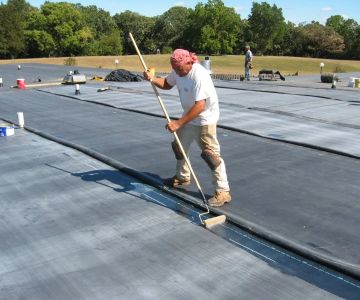
Choosing the right materials for your flat roof is critical to ensure its durability and resistance to the challenges of a rainy coastal climate. Some roofing materials are better suited for these environments than others:Modified Bitumen: This is a popular choice for flat roofs in Canada’s coastal regions due to its excellent water resistance. Modified bitumen is durable and provides excellent protection against moisture and UV exposure.EPDM Rubber: EPDM (Ethylene Propylene Diene Monomer) is a synthetic rubber material that is highly resistant to water and UV damage. It is a great option for flat roofs in areas with frequent rain.TPO (Thermoplastic Olefin): TPO is another great option for flat roofs. It is resistant to water, algae, and UV rays, making it an ideal choice for coastal climates. TPO is also energy efficient and can help reduce cooling costs.PVC: PVC (Polyvinyl Chloride) roofing is known for its durability and resistance to both water and chemical damage. It’s an excellent option for flat roofs in areas that experience a lot of rainfall.When choosing materials, make sure to consult with a roofing professional who understands the unique needs of coastal regions. Pickering Roofing offers a range of high-quality roofing materials designed specifically for Canadian coastal climates.

5. Real-Life Case Study: Maintaining a Flat Roof in Vancouver

In Vancouver, where rain is frequent and consistent throughout the year, one homeowner faced constant issues with water pooling and roof leaks on their flat roof. After several years of trying to fix leaks with temporary solutions, they decided to invest in proper maintenance.The homeowner began by clearing the gutters and ensuring that the drainage system was working properly. They then hired a professional to address the pooling areas by installing tapered insulation, which directed the water to the drainage points. To protect the roof surface from further wear, they opted for EPDM rubber roofing, which is highly durable and water-resistant.After a few years of regular inspections and maintenance, the roof remained in excellent condition, free from leaks and pooling. The homeowner found that investing in proper roof care not only extended the roof’s lifespan but also saved them money in the long run by preventing costly repairs.

6. Final Thoughts on Maintaining Flat Roofs in Coastal Canada
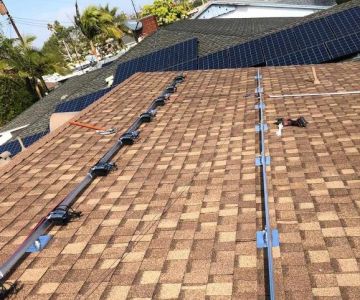
Maintaining a flat roof in Canada’s rainy coastal regions requires regular inspections, proper drainage systems, and the right roofing materials to withstand the harsh conditions. By addressing common issues like water pooling, moss buildup, and UV exposure, you can ensure that your flat roof remains in great shape for years to come.If you’re in need of quality roofing materials and professional services, Pickering Roofing is here to help. With expert advice and premium products designed for coastal climates, we can assist you in keeping your roof durable, watertight, and long-lasting.

Popular Blog Posts

Categories

Top Visited Sites

Top Searches

Trending Roofing Insights Posts