
- understanding-roof-warranty-claims - how roofing warranties work in Canada
- checking-warranty-coverage - reviewing your roof warranty terms
- identifying-defective-materials - recognizing roofing product problems
- collecting-evidence - preparing documents for your claim
- contacting-manufacturer - starting the warranty claim process
- inspection-and-assessment - professional roof evaluations
- claim-approval-process - understanding decisions and repairs
- avoiding-warranty-problems - protecting your roof investment
How Roof Warranty Claims Work in Canada
A roof is one of the most important protective systems of any home. It shields your property from rain, snow, ice, wind, and changing Canadian weather conditions throughout the year. When roofing materials fail earlier than expected because of manufacturing defects, many homeowners wonder how they can recover repair costs through a warranty.
Learning how to make a roof warranty claim in Canada can help homeowners handle defective roofing materials more confidently. While every manufacturer has different requirements, most warranty claims follow a similar process involving documentation, inspection, communication with suppliers, and approval procedures.
Many homeowners assume that every roof problem is automatically covered by a warranty. However, roofing warranties usually protect against specific issues, especially defects related to manufacturing quality. Problems caused by poor installation, lack of maintenance, severe weather events, or improper modifications may not qualify.
Understanding the difference between covered defects and regular roof wear is the first step toward building a successful claim.
Ck Roofing Solutions / ck roofing solutions
MarkhamRegional Municipality of YorkOntario
8 Hikers Ln, Markham, ON L6B 0K3, Canada
Why Roofing Warranties Are Important for Canadian Homes
Canadian roofs experience some of the most demanding conditions in the world. A roof in Ontario, for example, may face freezing temperatures, heavy snowfall, ice buildup, summer heat, and repeated expansion and contraction cycles.
Because roofing materials represent a significant investment, manufacturers often provide warranties to give homeowners confidence in product quality. These warranties can cover certain failures involving materials such as:
1. Asphalt shingles that prematurely lose granules.
2. Roofing membranes that fail due to manufacturing issues.
3. Defective flashing materials.
4. Certain insulation or waterproofing products.
5. Other roofing components affected by production defects.
A proper warranty claim can help reduce unexpected repair expenses and ensure defective products are addressed appropriately.
Reviewing Your Roof Warranty Before Filing a Claim
Before contacting a manufacturer, homeowners should carefully review their roof warranty documents. Understanding what is covered will help determine whether the issue is likely related to defective materials or another cause.
Types of Roofing Warranties in Canada
There are usually several types of warranties involved in a roofing project:
1. Manufacturer material warranty: This covers defects in the roofing products themselves. For example, if shingles fail because of a production problem, the manufacturer may provide compensation according to the warranty terms.
2. Contractor workmanship warranty: This covers installation-related problems. If a roofing contractor installs materials incorrectly, the responsibility may belong to the installer rather than the manufacturer.
3. Extended roofing system warranty: Some roofing systems offer enhanced coverage when approved products and certified installation methods are used together.
Important Warranty Terms to Understand
When reviewing your warranty, pay attention to:
• Warranty length and expiration dates.
• Required maintenance responsibilities.
• Exclusions and limitations.
• Transfer rules if the home has changed ownership.
• Required installation standards.
A common mistake homeowners make is waiting too long after noticing a problem. Many warranties require claims to be submitted within specific time periods after discovering a defect.
How to Identify Defective Roofing Materials
The success of a roof warranty claim often depends on proving that the issue comes from defective materials rather than normal aging or external damage.
Common Signs of Material Failure
Homeowners should watch for warning signs such as:
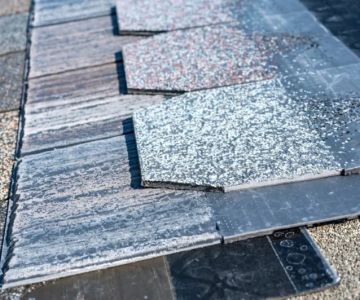
Premature shingle deterioration: Roofing shingles that crack, curl, blister, or lose protective granules much earlier than expected may indicate a manufacturing issue.
Unexpected leaks: Water entering the home shortly after installation could point to installation problems or defective waterproofing materials.
Material breakdown: Roofing components that appear brittle, damaged, or unusually worn may require professional evaluation.
Repeated repairs: If the same roofing area continues failing despite proper maintenance, there may be an underlying product issue.
Distinguishing Defects From Installation Problems
This distinction is extremely important. A roofing material can be high quality, but incorrect installation may still cause premature failure.
For example, improperly installed shingles may allow wind damage or water infiltration. In this situation, the manufacturer may reject a warranty claim because the product itself was not defective.
Working with an experienced roofing professional can help determine the true cause of failure before submitting paperwork.
Homeowners looking for professional guidance can consult Pickering Roofing for roofing assessments and recommendations related to repair concerns and warranty situations.
Preparing Documentation for Your Roof Warranty Claim
A strong warranty claim requires clear evidence. Manufacturers typically need information that demonstrates when the roof was installed, what materials were used, and why the problem may be related to defective products.
Important Documents to Gather
Before submitting a claim, collect:
1. Original roofing invoices.
2. Installation contracts.
3. Warranty certificates.
4. Product information and model details.
5. Photos and videos showing damage.
6. Maintenance records.
7. Previous repair documentation.
The more complete your documentation is, the easier it becomes for the manufacturer to evaluate your situation.
How to Document Roofing Problems
Photos should clearly show the affected areas. Take pictures from different angles and include both close-up images and wider views showing the location of the problem.
It is also helpful to record:
• The date damage was discovered.
• Weather conditions around the time of discovery.
• Areas where leaks or visible defects appeared.
• Any temporary repairs performed.
Detailed documentation creates a stronger connection between the roofing issue and the warranty claim.
Starting the Roof Warranty Claim Process
After gathering evidence, the next step is contacting the appropriate manufacturer or warranty provider.
Steps for Submitting a Warranty Claim
The typical process includes:
Step 1: Contact the manufacturer.
Find the correct warranty department and provide basic information about the roofing issue.
Step 2: Submit required documents.
Send invoices, photos, warranty information, and any requested forms.
Step 3: Wait for evaluation instructions.
The manufacturer may request additional information or schedule an inspection.
Step 4: Cooperate with inspections.
Allow qualified representatives to review the roofing materials and determine the cause of failure.
Maintaining Good Communication
Keep records of every conversation, including:
• Dates of communication.
• Names of representatives.
• Documents submitted.
• Responses received.
Organized communication prevents misunderstandings and makes it easier to follow up if the claim takes time to process.
Professional Roof Inspection During the Warranty Process
An inspection is often one of the most important parts of a roof warranty claim. Manufacturers need to determine whether the problem results from defective materials or another cause.
What a Roofing Inspector Evaluates
A professional inspection may examine:
1. Roofing material condition.
2. Installation quality.
3. Evidence of manufacturing defects.
4. Signs of weather-related damage.
5. Maintenance history.
6. Roof ventilation and drainage conditions.
The inspector's findings often influence whether a claim is approved or denied.
Why Professional Opinions Matter
Homeowners sometimes try to diagnose roofing failures themselves, but roofing systems are complex. A professional can identify problems that may not be obvious from the ground.
For example, a small area of missing granules may seem minor, but it could indicate widespread material deterioration. Professional evaluation provides a clearer understanding of the situation.
Understanding Warranty Claim Decisions and Repairs
After reviewing documents and inspection results, the manufacturer will usually make a decision.
Common Warranty Claim Results
A claim may result in:
Approved coverage: The manufacturer agrees that the product defect qualifies under warranty terms.
Partial compensation: Some warranties provide reduced coverage based on the age of the roof.
Denied claim: The manufacturer determines that the issue is outside warranty coverage.
After a Claim Is Approved
If approved, compensation may involve replacement materials, repair assistance, or reimbursement according to the warranty agreement.
Homeowners should carefully review the offered solution and understand what expenses are covered before beginning repairs.
How to Protect Your Roof Warranty in the Future
Preventive maintenance is one of the best ways to protect both your roof and your warranty coverage.
Recommended Roof Maintenance Practices
Homeowners should:
1. Inspect the roof regularly.
2. Clean gutters and drainage systems.
3. Remove excessive debris.
4. Address small issues before they become major problems.
5. Keep records of maintenance activities.
Choosing Professional Roofing Services
Proper installation plays a major role in warranty protection. Many manufacturers require approved installation methods to maintain coverage.
Choosing an experienced roofing company helps ensure that materials are installed correctly and that future warranty claims are supported by proper documentation.
Making the Warranty Process Easier for Canadian Homeowners
Knowing how to make a roof warranty claim in Canada for defective materials gives homeowners a practical advantage when unexpected roofing problems occur. The process requires patience, organization, and attention to detail, but a well-prepared claim has a much better chance of success.
The most important steps are understanding your warranty, identifying the true cause of damage, collecting evidence, communicating clearly with manufacturers, and working with qualified roofing professionals.
A roof represents a major investment in your property. By staying informed and maintaining proper records, you can protect that investment and respond effectively if defective roofing materials create problems in the future.
 KCM METALS INC5.0 (5 reviews)
 Nu Edge Roofing Inc4.0 (9 reviews)
 High Peaks Contracting3.0 (3 reviews)
 Exquisite roofing5.0 (15 reviews)
 GTA EXTERIORS4.0 (14 reviews)
 M&M Roofing & Exteriors4.0 (33 reviews)
 How Much Does a New Roof Cost in 2025? Canadian Roofing Price Guide
 Top Signs Your Roof Has a Leak and What to Do About It in Canada
 Can You Install a New Roof Over an Old One in Canada?
 The Top Questions to Ask Before Hiring a Roofer in Canada
 What Are the Most Common Roofing Scams and How to Avoid Them in Canada
 How to Prepare Your Home for a Roofing Project in Canada